
On the cover: Warriors of the Konyak Tribe in their traditional attire by Rwf-art

Weapon in hand, faces covered with tattoos, warriors ready to behead their enemies. It sounds like a movie scene, right? But it's real.
Meet the Konyak tribe, one of the sixteen Naga tribes living in Nagaland, and also the most fearsome among them.
They were known as the "last headhunters" in India. This community lived by its own culture and traditions for centuries, detached from the rest of the world. But change followed anyway, and eventually they accepted it.
History of the Konyak Tribe
The Konyak reside in the Mon district. Among all the other tribes, they carry the most formidable reputation. Not because of their numbers, but because of who they were.
Their attire alone tells a story. Woven shawls, bead jewelry, and elaborate accessories such as earrings, rings, and belts. Necklaces strung from glass beads or natural shells. Every piece is made from what the land and hunt provide.
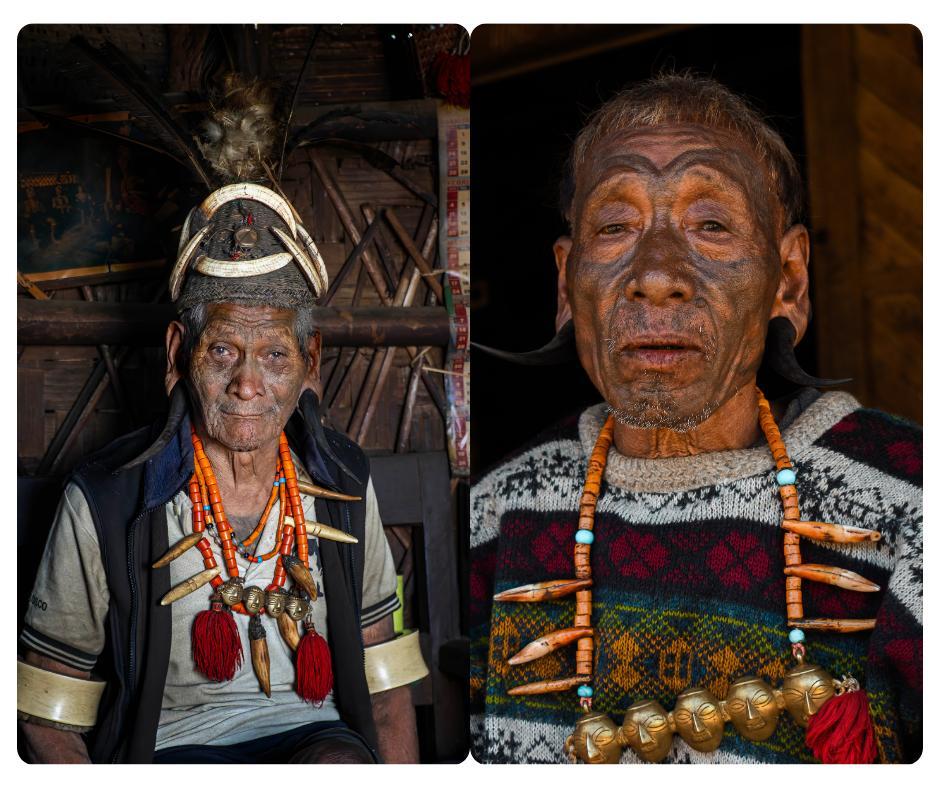
Most men carry faces marked by tattoos, some of which extend down their arms. Each mark represented the number of heads they brought home. A measure of their warriorship and achievements.
Beyond warfare, life was quieter. They farmed, raised animals, and gathered as a community. Surrounded by mountains and dense forest, their days moved slowly around festivals, rituals, and each other.
One of the most celebrated Konyak festivals is the Aoling festival, held in the first week of April every year. It marks the beginning of a new year. The whole community gathers together, dressed in traditional clothes, dancing, chatting, sharing meals, making animal sacrifices, and performing other rituals.
Understanding the Nagaland Headhunters
The Konyak tribe was famously known as the ‘‘last headhunters’’ with a rich oral history of war tradition. Back in the old days, with inter-tribe warfare, headhunting was a fundamental part of their culture and a symbol of honour and bravery.
Every boy from a young age was trained in Morung, a community hall/tribal school that taught them about weapons like the dao(Naga sword), warfare, and culture. They were also trained in traditional music and craft.
Whenever there was a dispute or war, the hunters' ultimate goal was to return with an enemy’s head. It was also believed that the severed head was a vessel holding their enemy's soul, bringing good crops and prosperity.
After the hunt, the heads were presented to the Angh(chief of the village) as proof of their courage. The village celebrated its win, and the chief’s wife would paint tattoos on the warrior’s faces as a reward for his achievement.
In 1962, the Indian government imposed an official ban on the head-hunting practice. They no longer headhunt, but rather carry stories from their past. Now, the new generation is no longer ferocious warriors; they know a different life.
The young Konyak are adapting to modernization. The warfare is long gone, but their cultural practices/festivals are still preserved and are celebrated with the same spirit as they were decades ago.
How does the Naga Tribe feel today?
Like every culture that evolves, the Konyak tribe is finding its footing between traditional village life and modernization. However, there are still chiefs who hold the highest authority, like the king of a kingdom.
Today, children go to school, villagers run small businesses to make a living, some seek job opportunities outside the tribe, engage with technology, and interact with tourists.
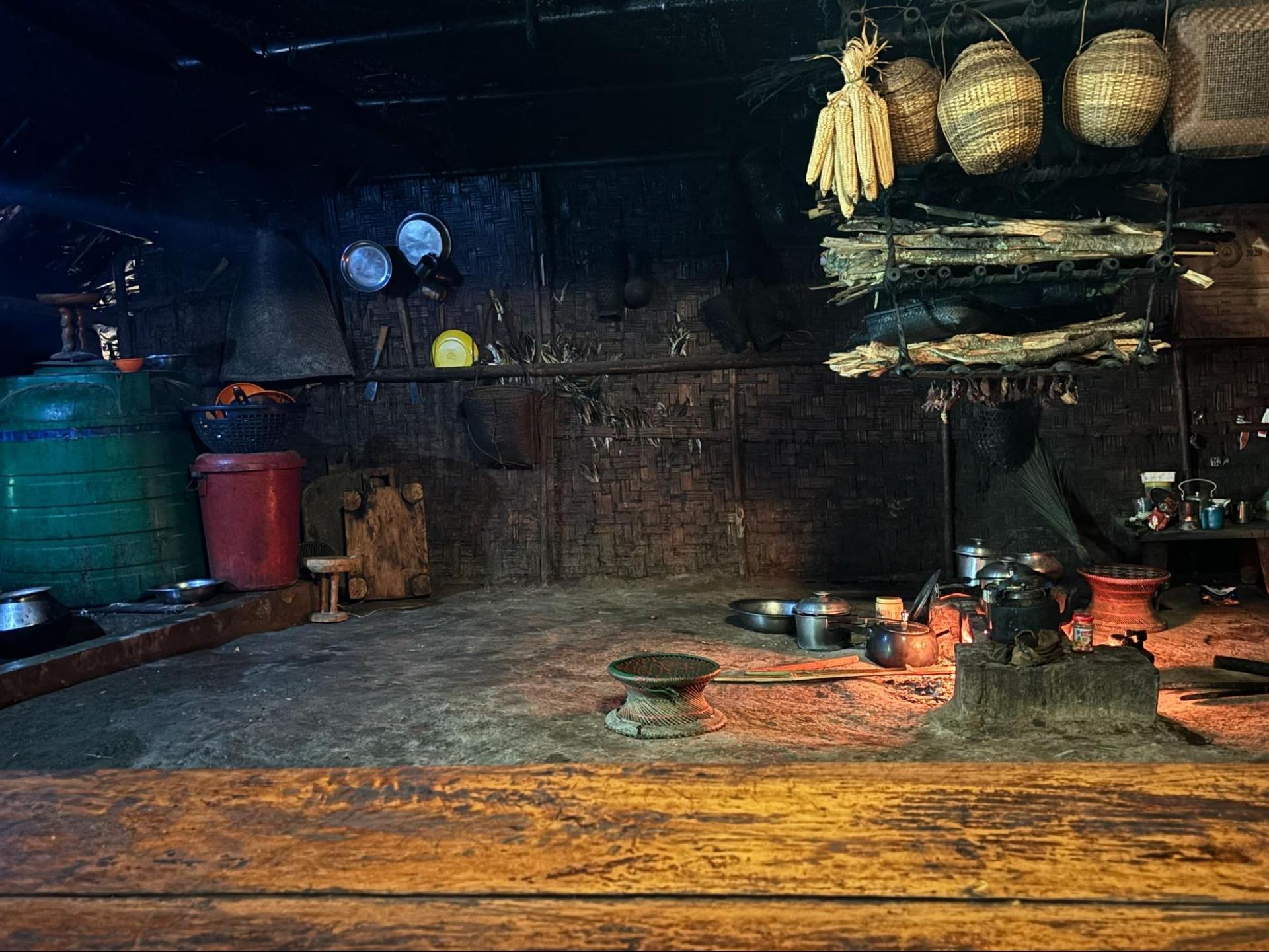
Houses are built of bamboo and wood. At the center of each home is a stove-like structure used for cooking. Some of the houses are lifted on supports to prevent damage from rainwater.
The remaining headhunters are now old, mostly in their 80s or 90s. In a decade or two, there will no longer be men with tattooed faces, wearing ornaments like medals, and there will no longer be the stories of their era.
So, if you ever find yourself in the Mon district, sitting across from the elders, don’t rush; listen carefully. Ask questions, because you'll be sitting in a world that is quietly disappearing.
How to Get to Mon District?
By air (nearest airport)
The first option is Dimapur Airport (Nagaland), which is connected to Delhi, Kolkata, and Guwahati. This one is the most common entry point for travellers. However, Mon is still a solid 10+ hours by road from here.
The second one is Jorhat Airport (Assam), which connects to Kolkata and Guwahati. It's geographically closer to Mon, a smart choice for travellers coming from the north.
By road
If you’re starting from Dimapur, the next stop is Kohima, then Wokha, followed by Mokokchung, and lastly, you reach Mon District. The whole journey is around 10-12 hours, approximately 250-300 km.
Another route is from Jorhat, which is much shorter and is generally preferred.
From Jorhat, take a bus/taxi to Sonari(Assam), this will take approx 1.5-2.5 hours depending on the traffic. Then switch vehicles to reach Mon.
NOTE: All Non-Nagaland residents (including Indians from other states) are . Travellers can acquire it in advance or on arrival at designated points in Dimapur, Kohima, or through the Online Portal.
Want to Experience the Last Headhunter Villages?
If the culture, traditions, and stories of Naga headhunters fascinate you, then exploring them will be an experience unlike anywhere in India.
With Anaveda, you can access a curated travel experience in Mon district and the nearby area, including local stays, food, and guided exploration.
What exactly can you expect?
The trip begins in the Mon district, where you’ll meet the remaining former headhunters who still carry stories and traditions from their era.
Move around and experience traditional Konyak culture. Houses built from bamboo and wood, local craftsmanship, and their daily community life.
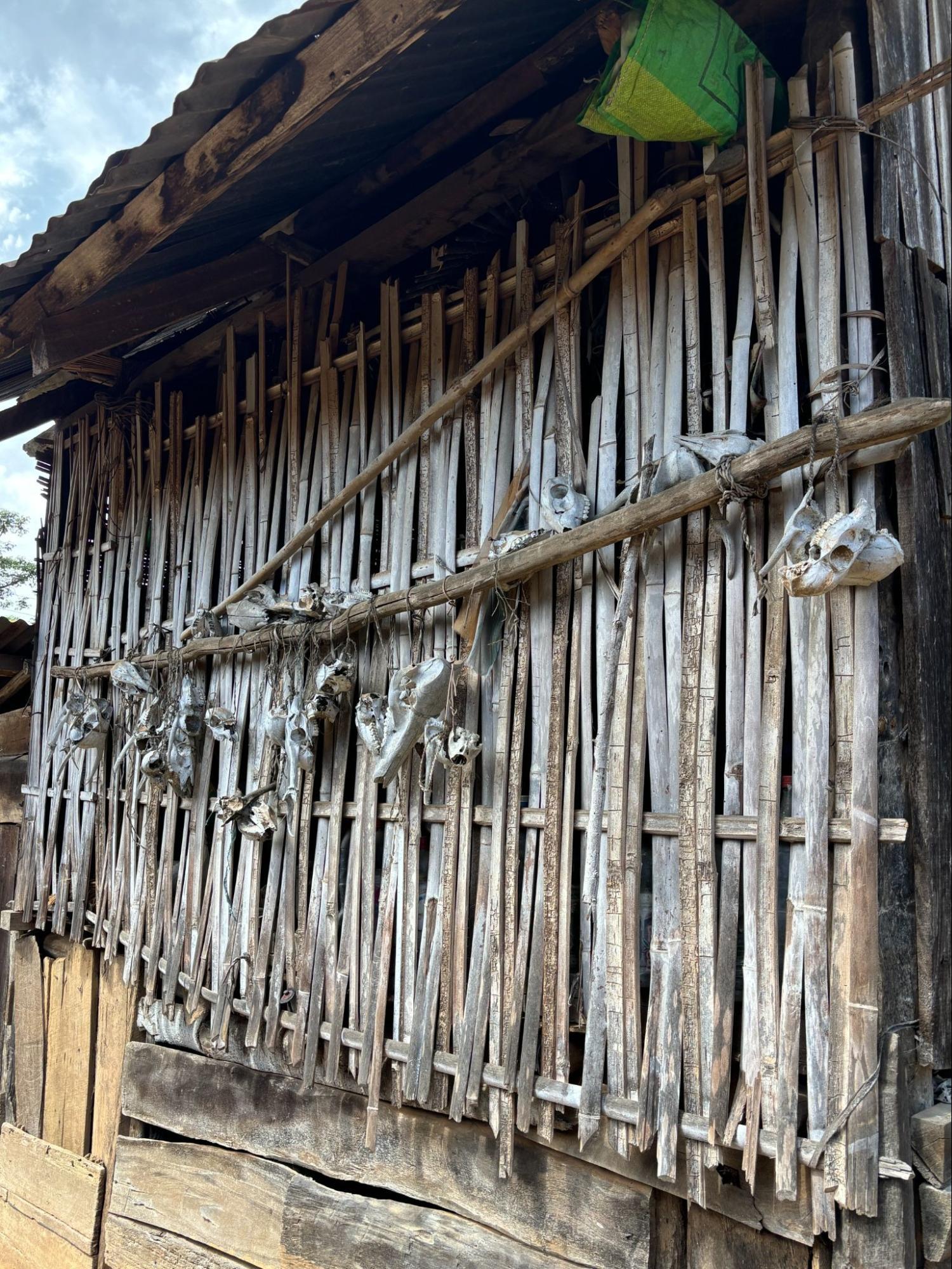
Next is a trip to Longwa village, located between the India-Myanmar border. The chief's (Angh) house is also located there. With skulls of animals still hanging as a symbol of his warriorhood.
Enjoy their local cuisines, then move forward towards the Ao Nagas Tribe, Mokochung, and explore the state's third-largest urban hub.
While traveling around, you’ll explore the Longlangba stone bridge, the Chumia Swin waterfall, and the secret behind why people call it the Vegetable Capital of Nagaland.
Q&A On The Konyak Tribe
Why was headhunting banned in Nagaland?
The practice was banned in 1962, a combined result of government pressure and Christianity spreading through tribal communities. The two arrived around the same time, and between them, headhunting didn't survive.
Is Nagaland safe to visit now?
Yes, in 2026, it is safe for travellers visiting Nagaland. Unlike before, the environment is peaceful and welcoming in areas like Kohima, Mokokchung, and Mon.
Best time to visit?
October to March are considered the best times after the monsoon; the weather is pleasant, and you can also experience the Hornbill Festival in early December.
What language do the Konyak people speak?
The Konyak people speak the Konyak language, which belongs to the Sal sub-branch of the Sino-Tibetan language family. You may also find some people speaking Nagamese, Hindi, and English.
Can you still meet former Konyak headhunters?
Yes, you can meet the remaining headhunters. However, only a small number of them remain, all in their 80s or 90s. Scattered in remote villages across the Mon District, such as Longwa, Chi, and Hongphoi.