
On the cover: Mythological figure carved into terracotta panel with detailed relief, bishnupur, west Bengal by SuvadipSanyal

Every guidebook to India, usually starts the same way: Delhi’s forts, Agra’s marble, or Jaipur’s pink wall. Bengal rarely makes the list. Located in the dry red-soil terrains of Bankura district is the temple town of Bishnupur and its surrounding craft villages. It is a place that did not find its way to the postcards. The main attraction of this area is the terracotta temples built under the Malla dynasty of the 17th century and workshops where artisans still shape the clay and cast bronze just as their grandfathers did.
Bishnupur: A kingdom built in clay
For centuries, Bishnupur has been the capital of the Malla dynasty, a lineage of regional Hindu kings that governed this stretch of Bengal. Their most remarkable creations are the terracotta temples we see today. The majority of these structures were constructed in the period ranging from the 17th century to the early 18th century. Due to the unavailability of stone, the Mallas used what nature gave them: alluvial soil fired into terracotta bricks. The Malla dynasty created numerous terracotta sculptures with thick relief works.
When the temples come into view, one can see stories in the form of architecture. Generally, the temples are built in such a way that all of them have walls with engraved panels that depict scenes from the great epics, Ramayana and Mahabharata, royal hunts, different forms of musicians, dancers, and other things from the day-to-day life of the people in Bengal. Nothing was imported. Nothing was dug up a hundred miles away and shipped in. The temples literally are made of the ground they stand on.
Rasmancha: The oldest bricks structure in Bengal
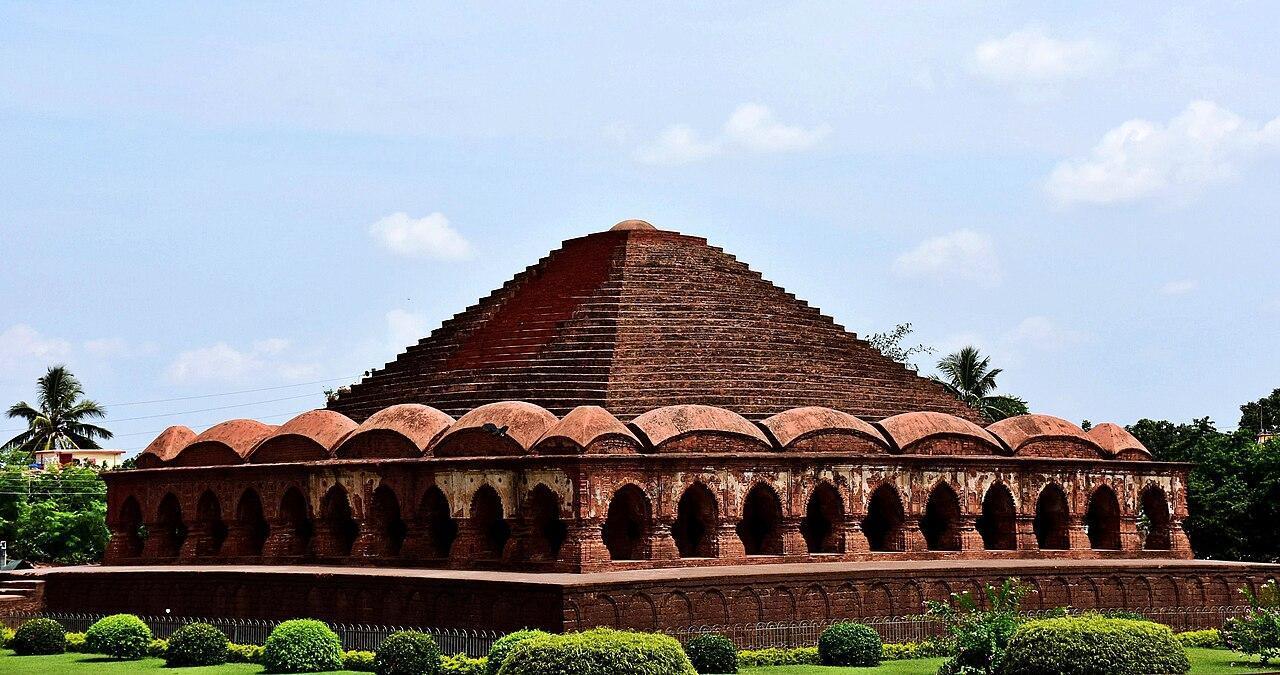
The Rasmancha, a brick structure constructed in 1600 CE by the Malla king Bir Hambir, is the oldest one in the complex. Unlike everything around it, it is not a temple. Instead it was built to accommodate the annual festival of Ras, which took place in this structure until 1932. The Rasmancha stands on an elevated laterite platform and has a pyramid-type appearance with tiers of vaulted galleries on its surface, giving it a silhouette unlike anything else in the temple towns of North India.
Jor Bangla: A roof built for two
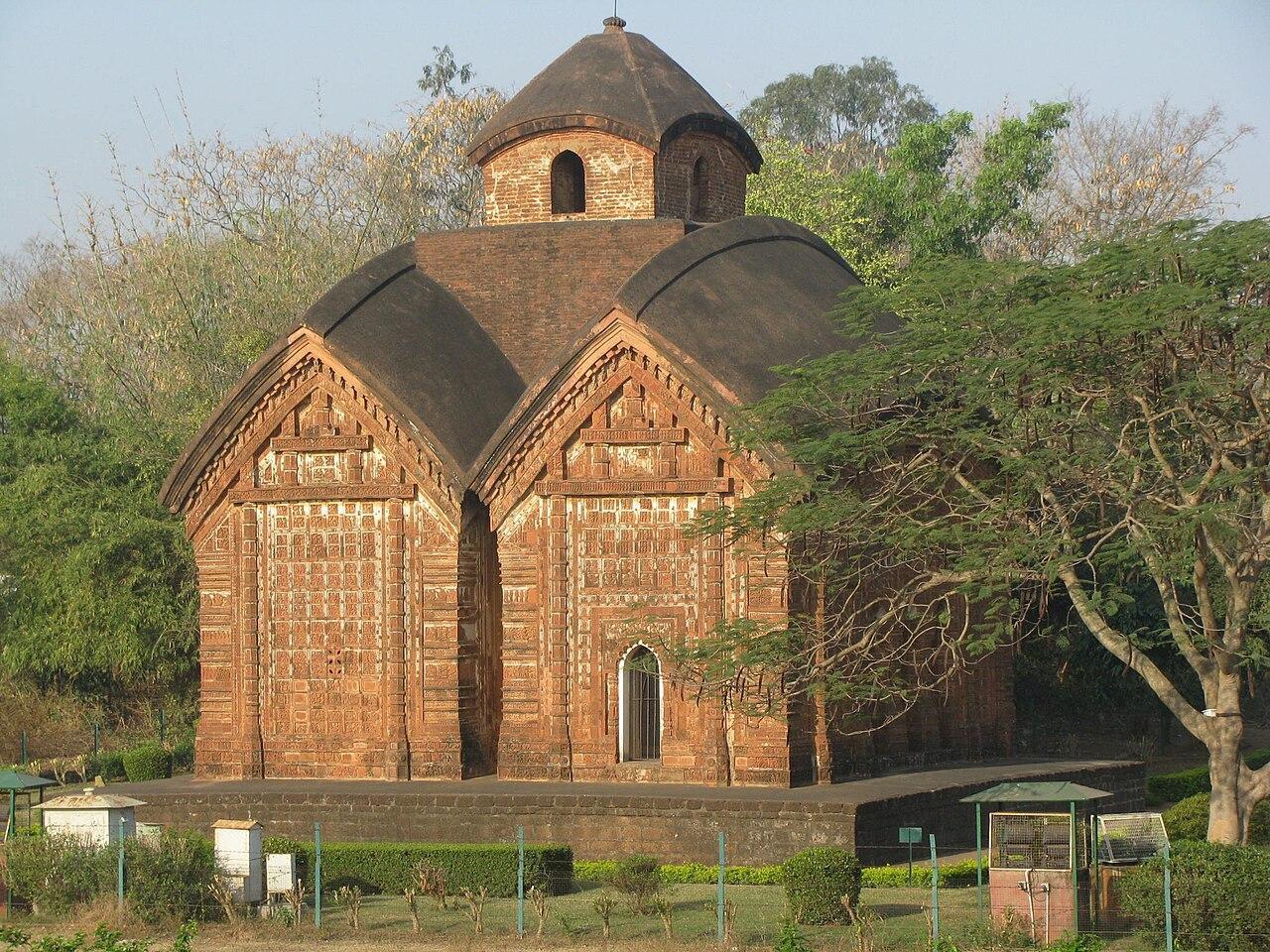
In 1655, King Raghunath Singha constructed Jor Bangla taking its name from its design, the structure comprises two traditional “do-chala” roofs characterized by geometric curvature collecting stylistic influence from Bengali huts: one forming the entrance and the other functioning as a shrine. Furthermore, terracotta panels on its walls narrate stories from Ramayana alongside hunting scenes and ordinary life in a 17th century village, making it the most densely narrated temples in Bishnupur.
Shyam Rai: Krishna in Terracotta
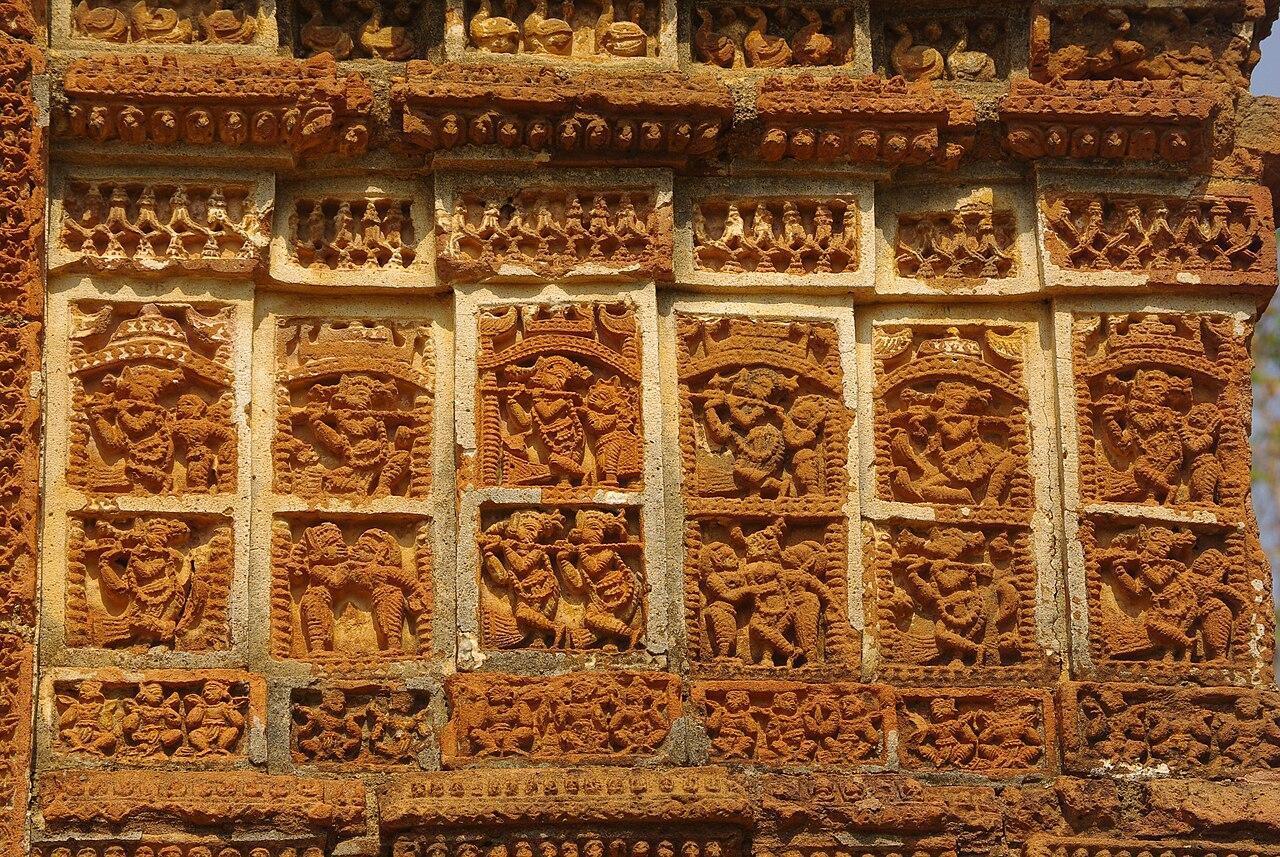
Constructed by Raghunath Singha in 1643, this temple is famous for being the best preserved Pancha Ratna temple in Bishnupur and is characterized by five spires with four at the corners and one in the center. The terracotta reliefs on the outside of the temple depict the Krishna-Lila (stories of Lord Krishna) and the Ras Leela (dance of Lord Krishna with Radha and the Gopis), in remarkable detail.
Madan Mohan: Still a working temple
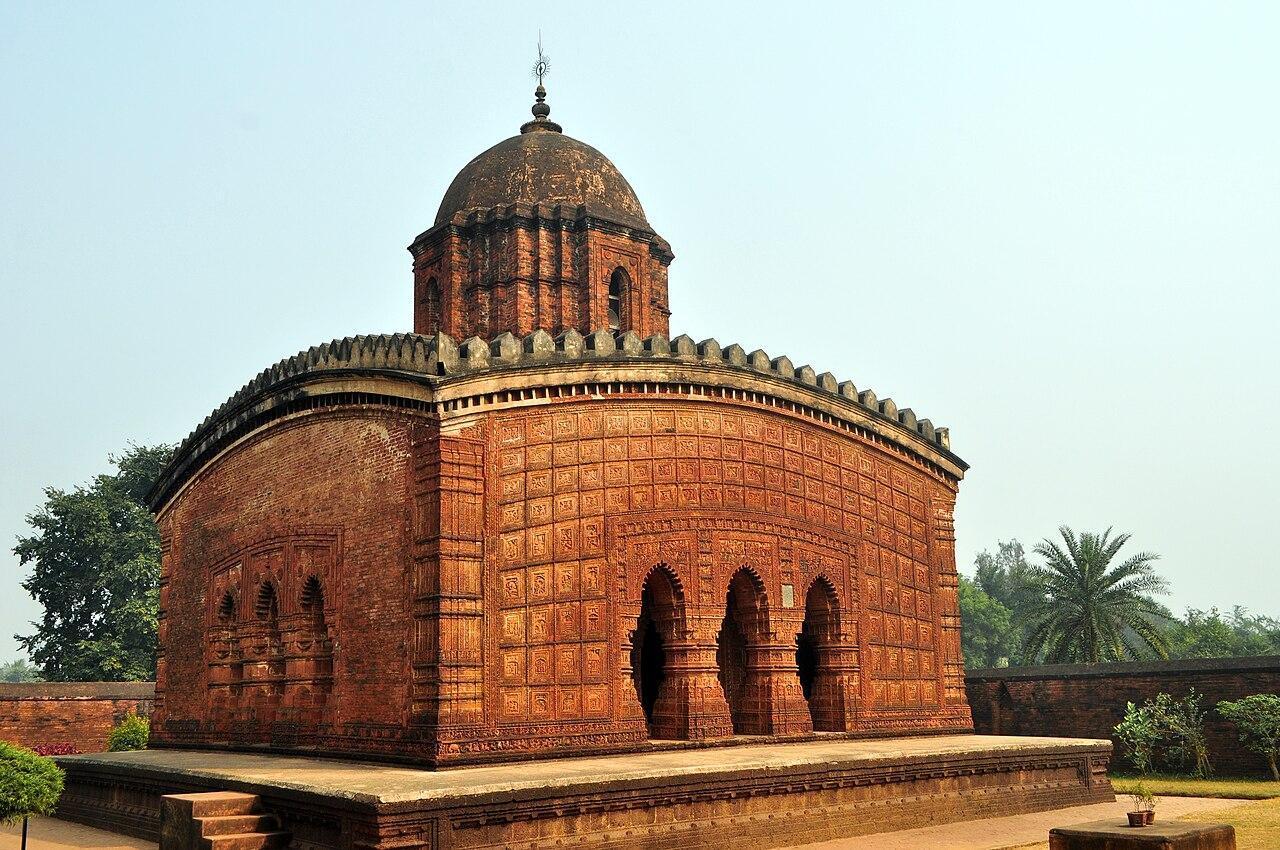
Built in 1694 by King Durjan Singha, Madan Mohan is an Eka Ratna temple (a single central tower rather than the clustered spires of Shyam Rai) and unlike most of the complex, it's still an active place of worship dedicated to Madan Mohan, a form of Vishnu. Its terracotta reliefs draw from the Mahabharata and the Puranas as well as the Ramayana, and the fact that daily rituals still happen here gives it a different atmosphere than the other purely monumental temples nearby.
Radha Shyam and Lalji: A Late Shift in style
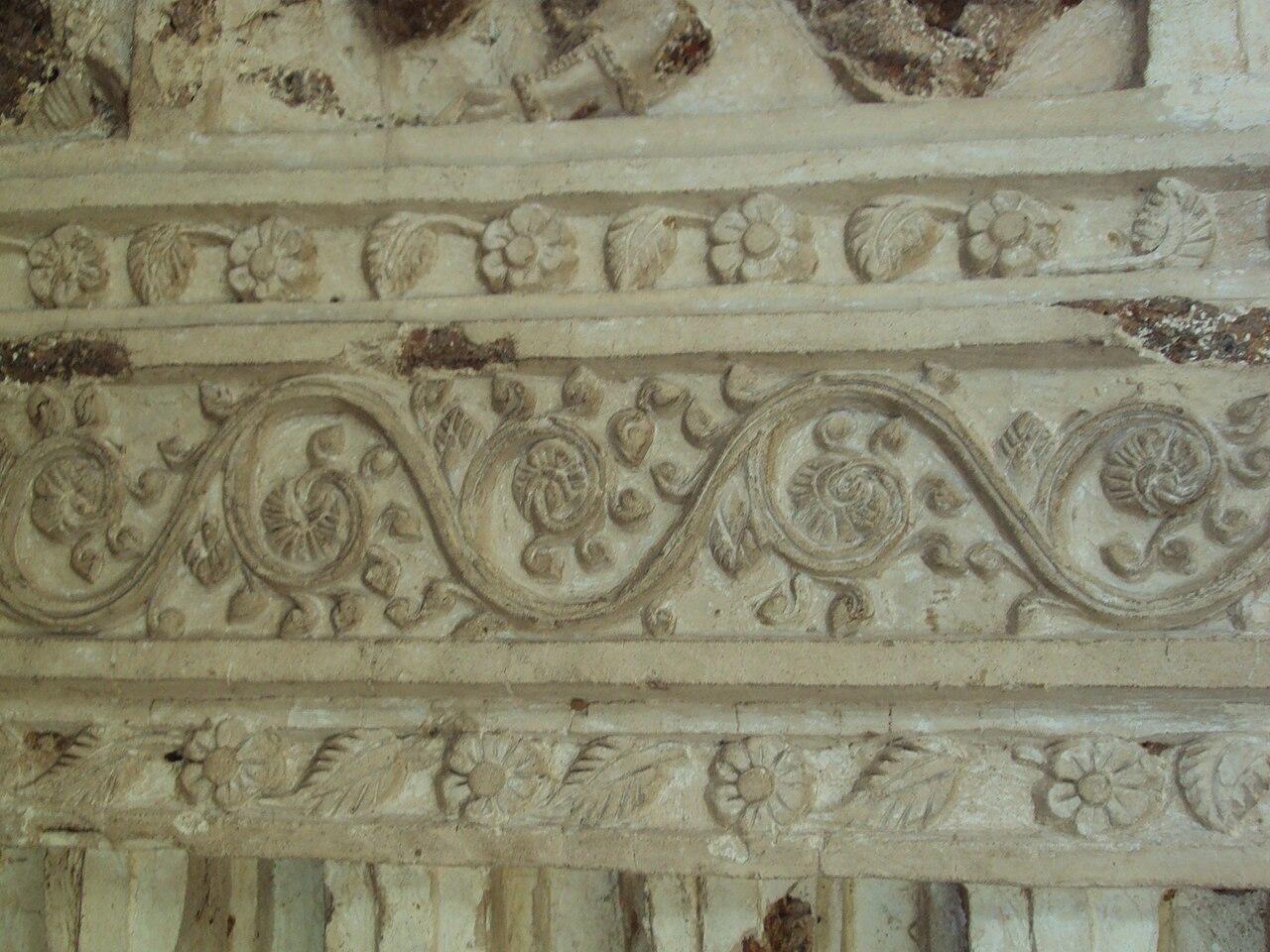
Built in 1758 under king Chaitanya Singha, Radha Shyam is one of the later additions to Bishnupur’s temple complex and it depicts the change in the town's architectural language. Like the earlier temple had a single tower structure with terracotta paneling but the Radha Shyam temple shifts to laterite stone covered in lime stucco and adds a triple-domed, distinctly Islamic style entrance gate; a sign of how Bishnupur’s temple builders kept absorbing new influences well after the dynasty’s architectural peak had subsided.
Bankura: Where craft never stops
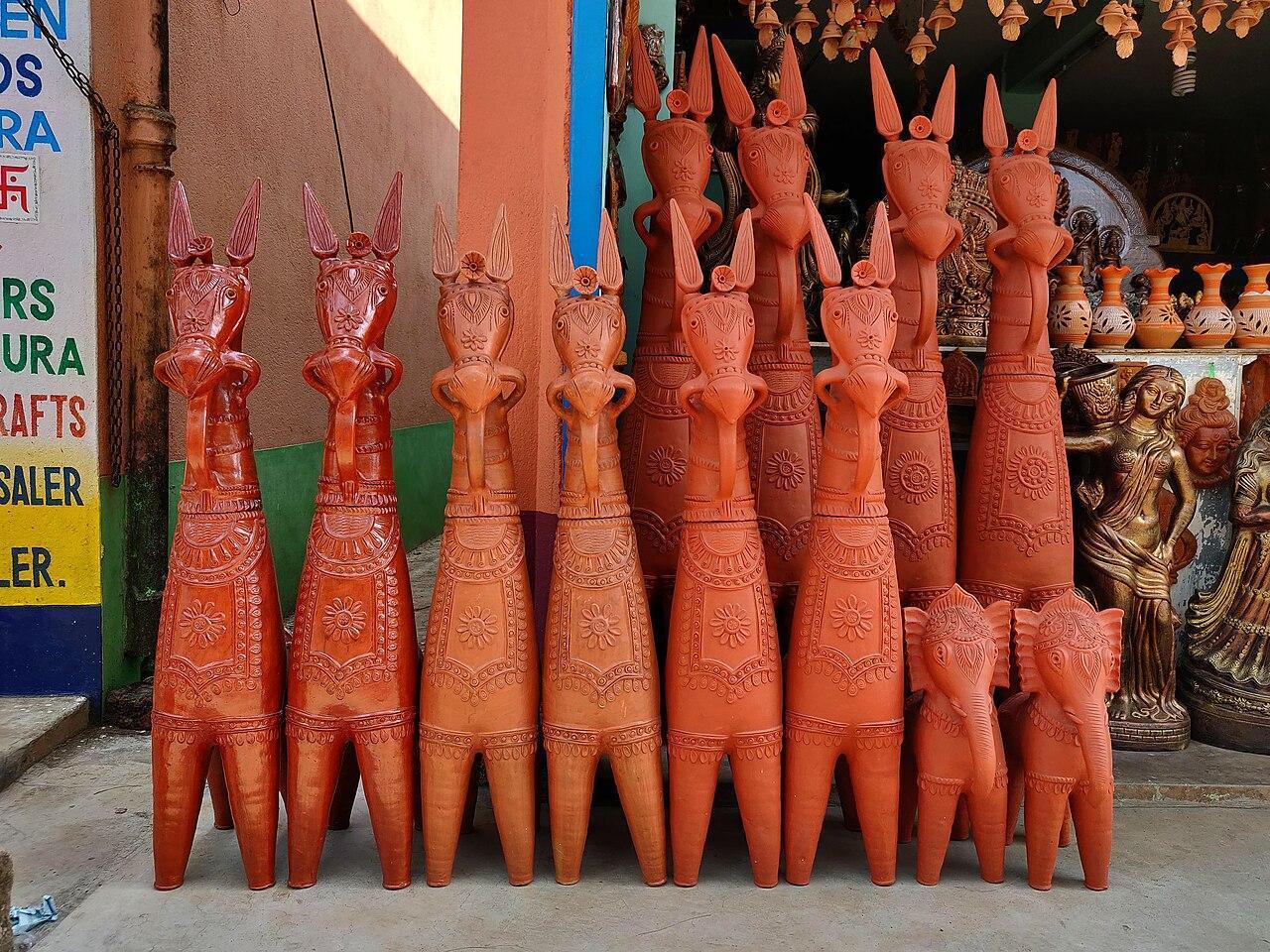
If Buishupur is where the region’s history is fired into the wall of the temple, Bankura Town, the district headquarter, about 30 kilometres away is where you see the terracotta tradition still being crafted. Bishnupur itself sits within the Bankura district and the craft villages around Bankura Town, particularly Panchmura, are the source of the Bankura horse; the elongated terracotta figures with intricate patterns on them have become something of an unofficial emblem of Indian craft, printed on textiles and stamped on to government logos, usually without anyone mentioning where they actually come from.
The horses are made by hereditary potter families, mostly in and around Panchmura village, using coiling technique passed down without written instruction. The art of hands learning from other hands, generation after generation. No two horses are the same, the process from wedging the clay to the final wood-fired kiln can take days. Watching it happen is nothing like watching a factory produce a “traditional” souvenir. It's closer to watching a language be spoken by someone who has spoken it their whole life.
Dokra: bronze without a mold you can be reused
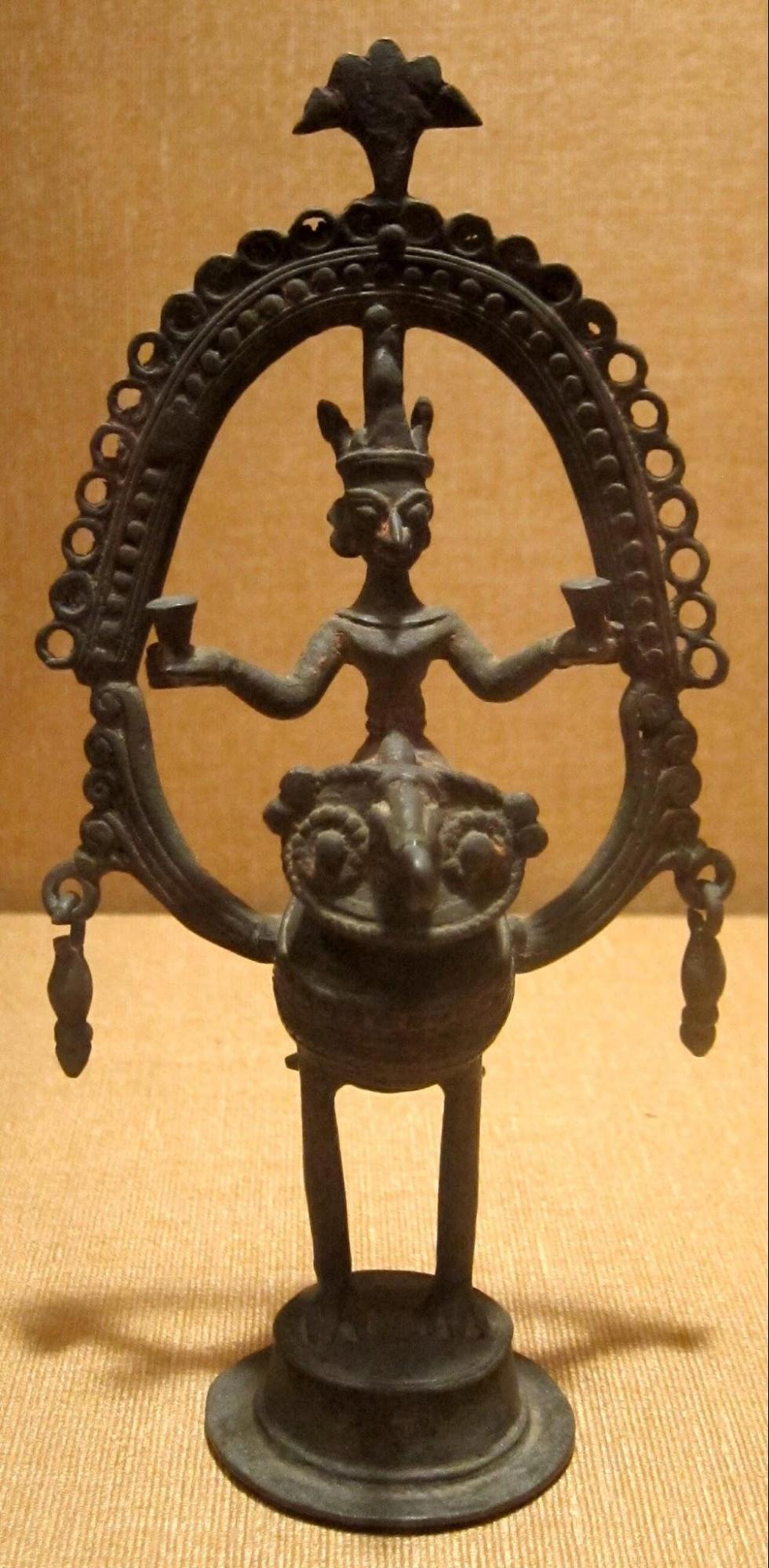
A short drive from the terracotta workshops, you will find Bankura’s dokra artisans working with entirely different material using an equally old method: lost wax bronze casting. Each dokra piece, a tribal figure, a temple bell, small deity, is built around a clay core wrapped in waxed thread, then cast in bronze in a process that destroys the mold every single time. Every piece is structurally one of one. For visitors, this is often the moment the trip reframes itself. “Indigenous craft work” isn't a museum category in Bankura. It is a household economy, still functioning, still selling directly out of the workshop door.
Planning the Detour
Bishnupur and Bankura craft villages sit close enough together to cover in a single well planned trip, with a comfortable few hours of travel between them. Go in the cooler months, October or February, when walking temple grounds at mid day doesn't mean walking through Bengal’s full Summer heat. The beauty of the temple panel intensifies, especially when someone can point out which battle, which festival, which deity you are looking at, since very little of it is labelled on site.
Bring cash for the workshops in Panchmura and the surrounding villages as most artisans sell directly and a purchase there goes straight to the family that made it rather than a middleman. When you come home with the Bankura horse or a dokra figure, remember what you're actually holding is not just a mere souvenir, but months of a family's inherited skill, still being handed down exactly as it always was.