
On the cover: Red Fort monument by Jayanth Muppaneni
The first thing you notice upon entering the Red Fort is its incredible architecture. With massive red sandstone walls that stretch to the horizon, it stands as one of India’s defining historical landmarks.
The People’s Audience Hall
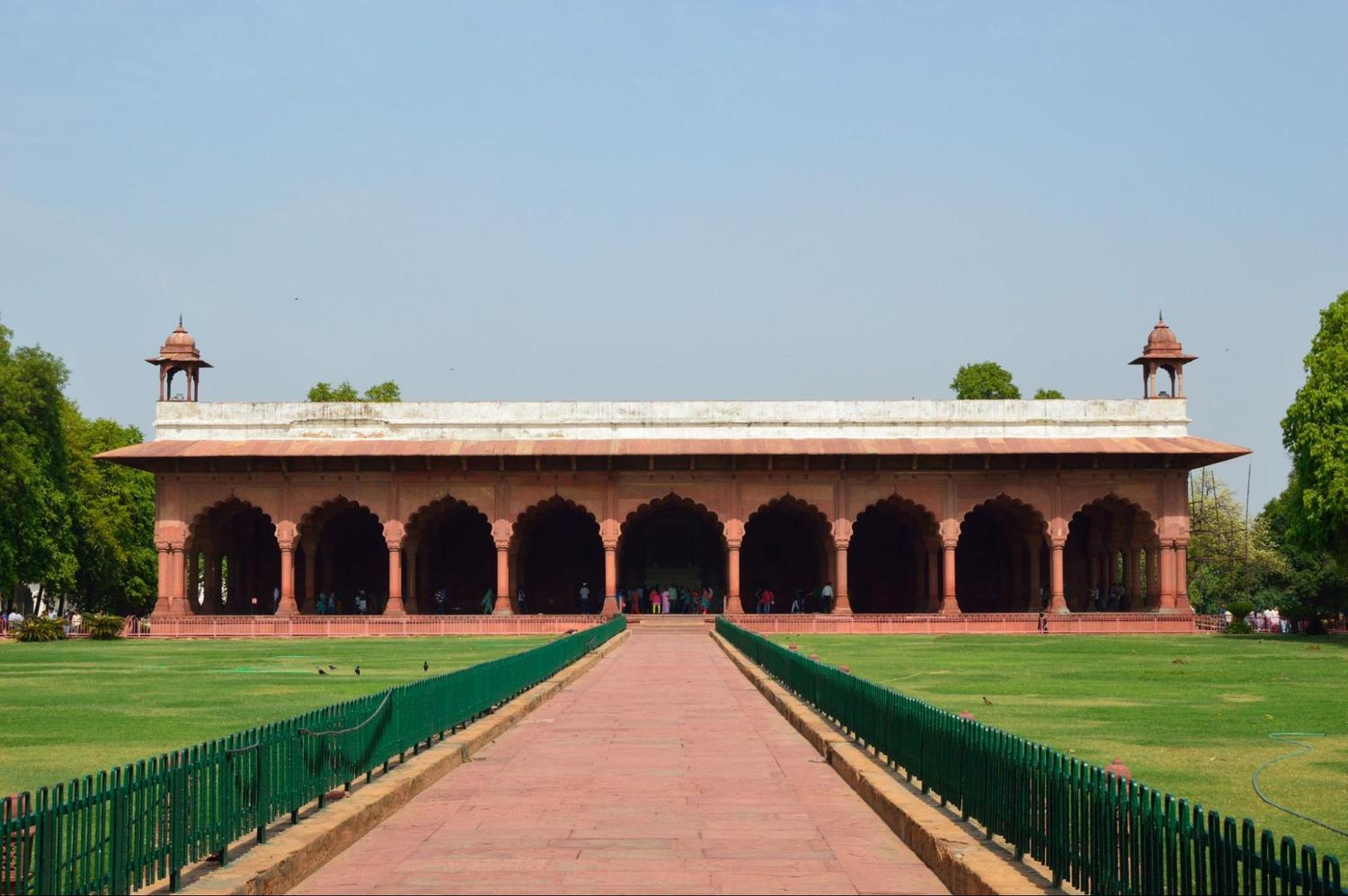
The Red Fort was built in the 1600s as the seat of Mughal rule, and its spaces were designed to be both visible and audible. The Diwan-i-Aam, the Hall of Public Audience, allowed rulers to address the public directly. In this space they listened to petitions, held ceremonies, made announcements and delivered justice in full view.
The Inner Chambers of the Court
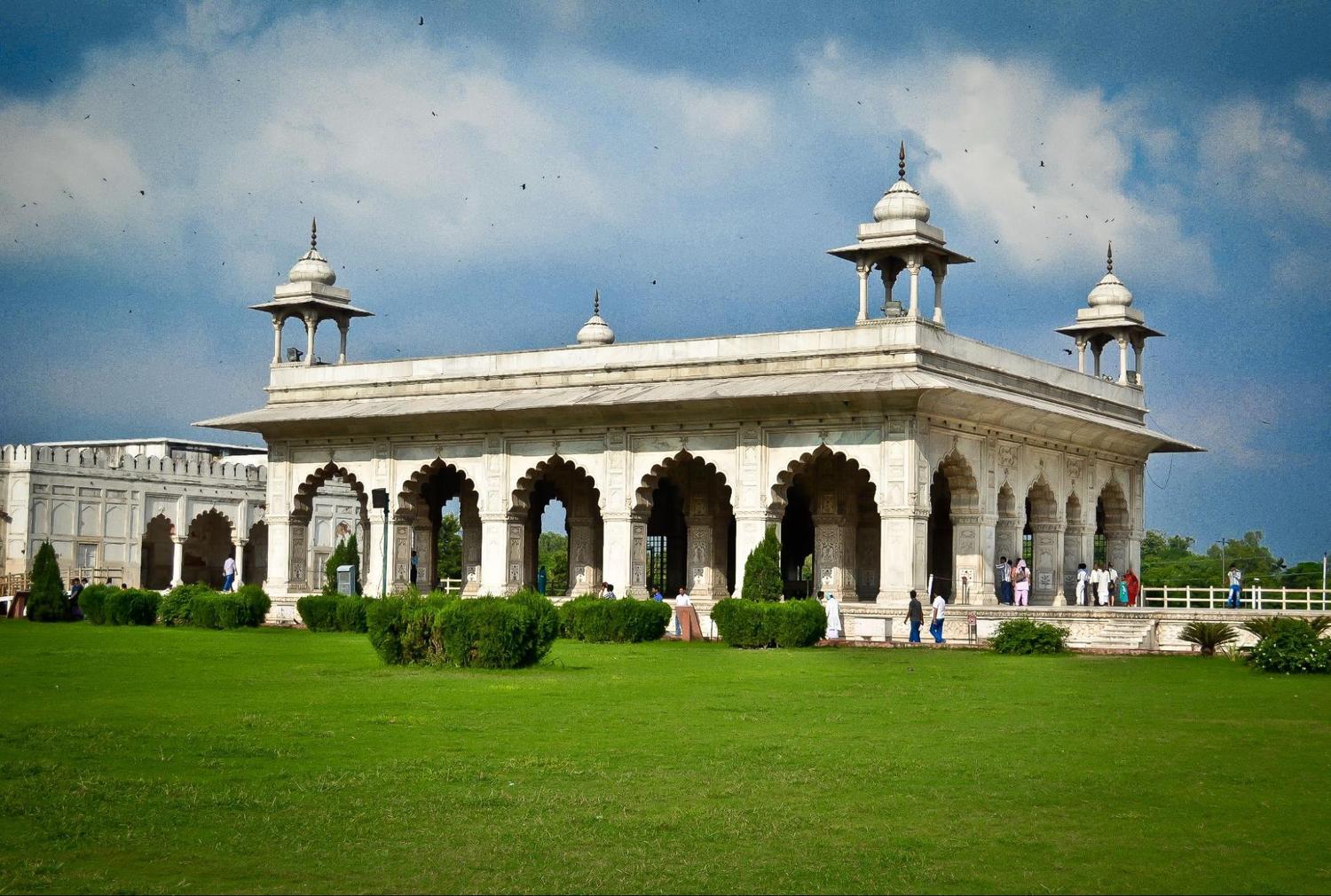
Beyond the public halls, the fort opens into inner chambers, such as the Diwan-i-Khas. Marble floors, inlaid stones, and flowing water channels reveal how much care went into daily life in the court.
These rooms were not built for excess but for balance between beauty and control. Walking through them, you can tell the design shaped how people moved, sat, and spoke.
Living Stone and Seasonal Design
The Red Fort was designed to accommodate for the harsh climate during the summer months. High ceilings, shaded corridors, and water channels helped cool the interiors. The stone walls absorb the heat throughout the day — rest your hand on a wall and you’ll feel it’s warmth. Outside of the chambers you’ll see the beautiful gardens.
From Empire to National Symbol
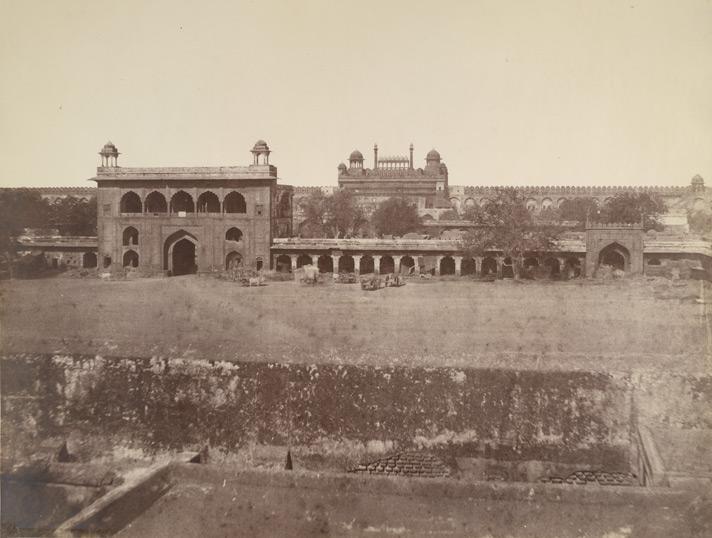
After the Mughal era, the fort passed through British control and later into independence. Each year on August 15, the Prime Minister speaks from the Red Fort. When the Indian tricolour, the national flag, is raised, the fort becomes a place of remembrance connecting its imperial past to modern democratic values.