
On the cover: Entrance Gate of Digamber Jain Temple by Sumita Roy Dutta

Once the capital of India's most powerful kingdom. Rajgir is now an underrated travel destination. It was here that Gautam Buddha delivered some of his most important teachings, and it is believed that Mahavira, the founder of Jainism, also walked this land.
Unlike other places defined by a single belief, Rajgir brings Buddhism, Jainism, and Hinduism in quiet coexistence. Its caves and century-old monuments still carry stories of Maurya era and its political dynamism.
A blend of history, faith, and cultures is what makes Rajgir worth adding to your travel list.
Major Spiritual Places
Vishwa Shanti Stupa
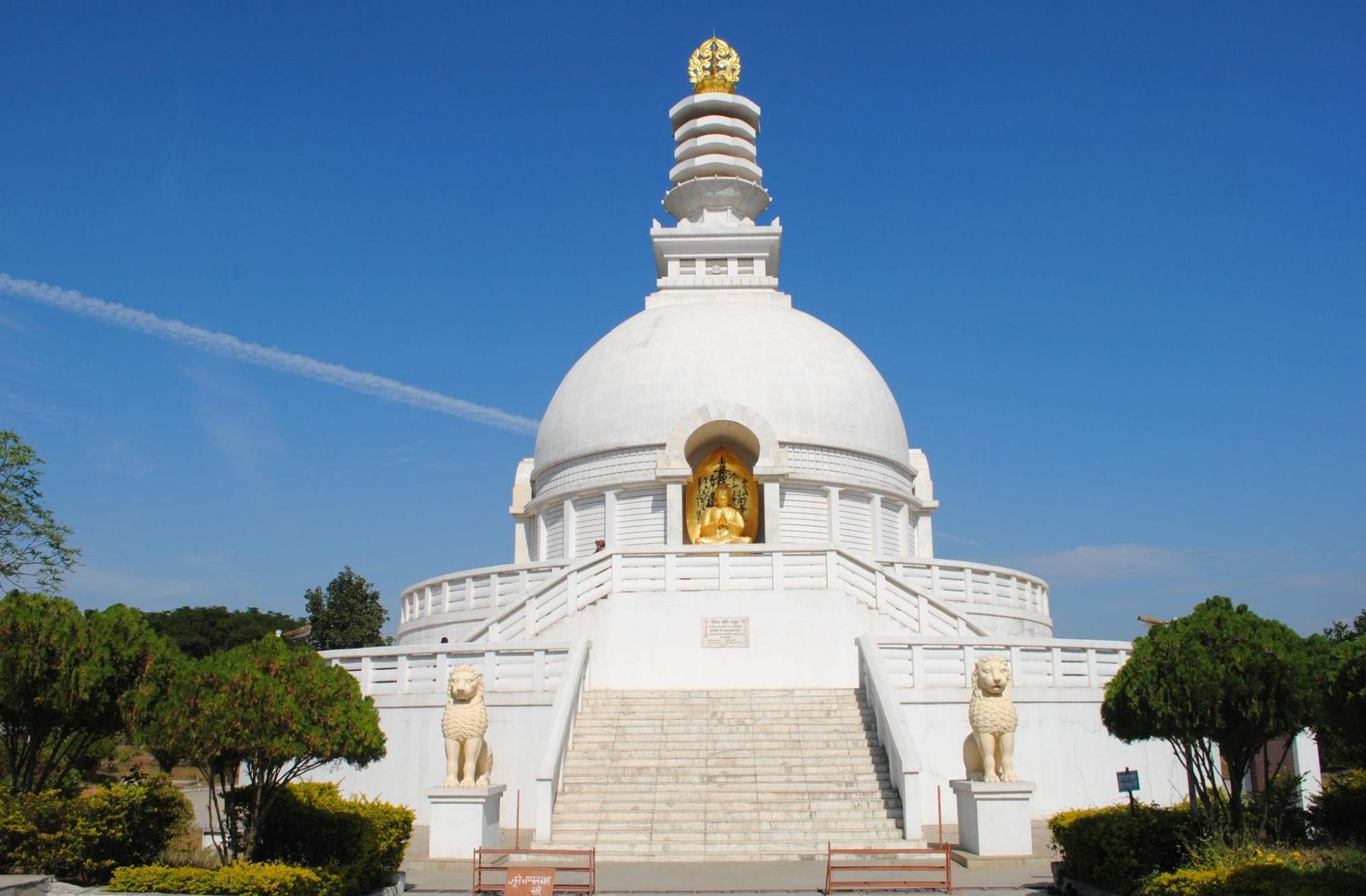
Vishwa Shanti Stupa, also known as Peace Pagoda, is a striking white marble stupa located in Ratnagiri Hills, representing universal harmony. This pagoda was constructed by Mackintosh Burn & Co. in 1969 as a part of Indo-Japanese Collaboration, honoring Buddha’s legacy. It is also one of the eighty Peace Pagodas worldwide and the oldest in India.
This pagoda also features four statues of Buddha, each representing a different stage of his life: birth, enlightenment, preaching, and death.
To reach this Shanti Stupa, you have two options: one is to climb by the staircase, and the other is to take the oldest ropeway system, which operates until dawn and dusk (till 5 PM).
Griddhakuta Hill
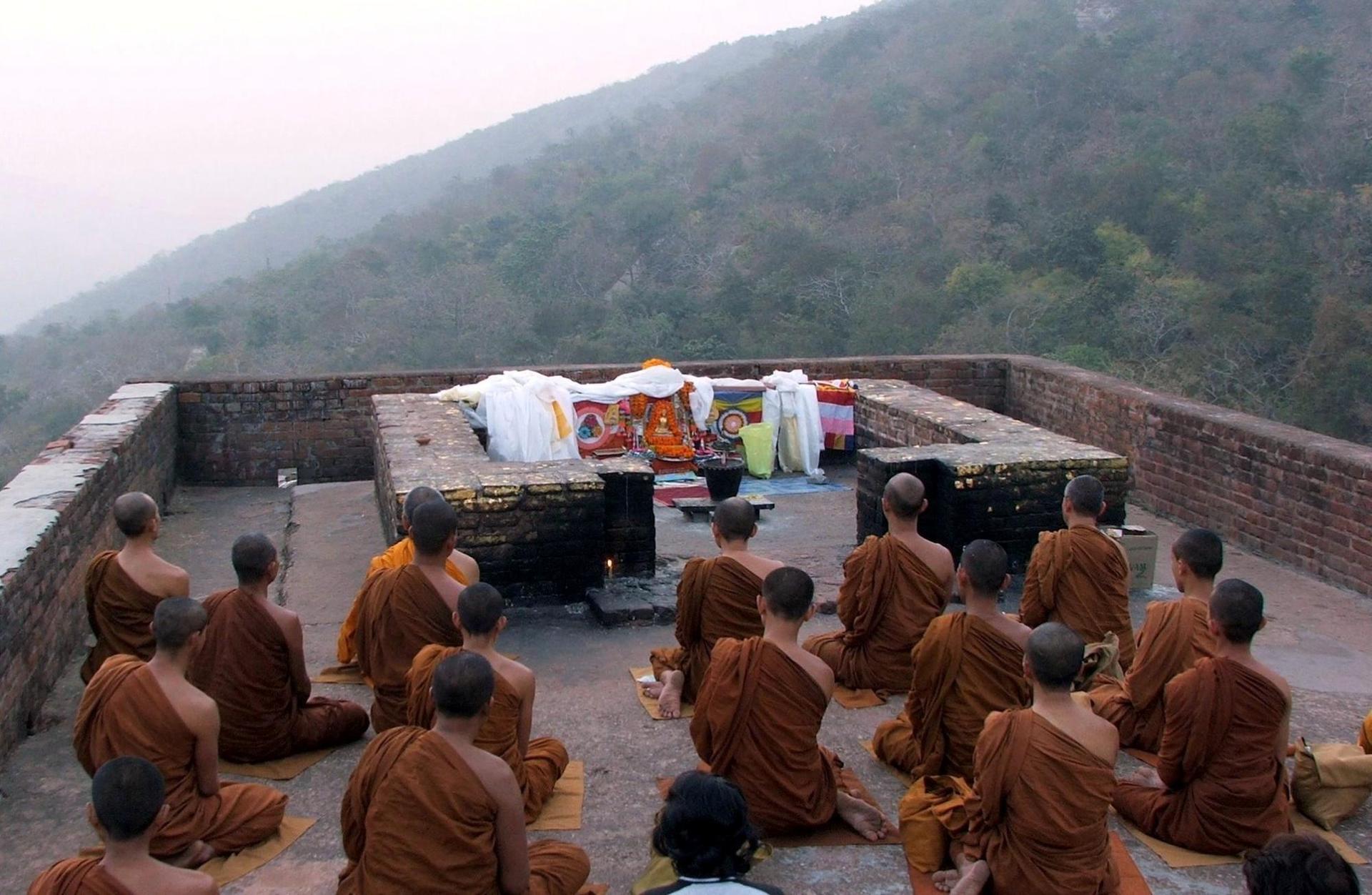
Griddhakuta Hill, also known as Vulture Peak, is a rocky summit situated in Devrajangar village, where Lord Buddha spent months meditating and preaching Dharma. From here, he taught sermons like The Lotus Sutra, Heart Sutra, and many more, which later attracted King Bimbisara and thousands of other followers.
For this reason, this Hill is also considered one of the most significant destinations for Buddhist pilgrims.
Vulture Hill is one of the highest places in Rajgir and was also a site where Buddha and his students gathered to train and retreat. The surrounding caves are still used for meditation by monks.
The way up the hill is lined with prayer flags, leading to a calm, open view. At the very summit lies a tiny Buddha statue, where monks and locals gather to pray and place offerings. You can use a ropeway, but hiking will be more fun.
Brahmakund
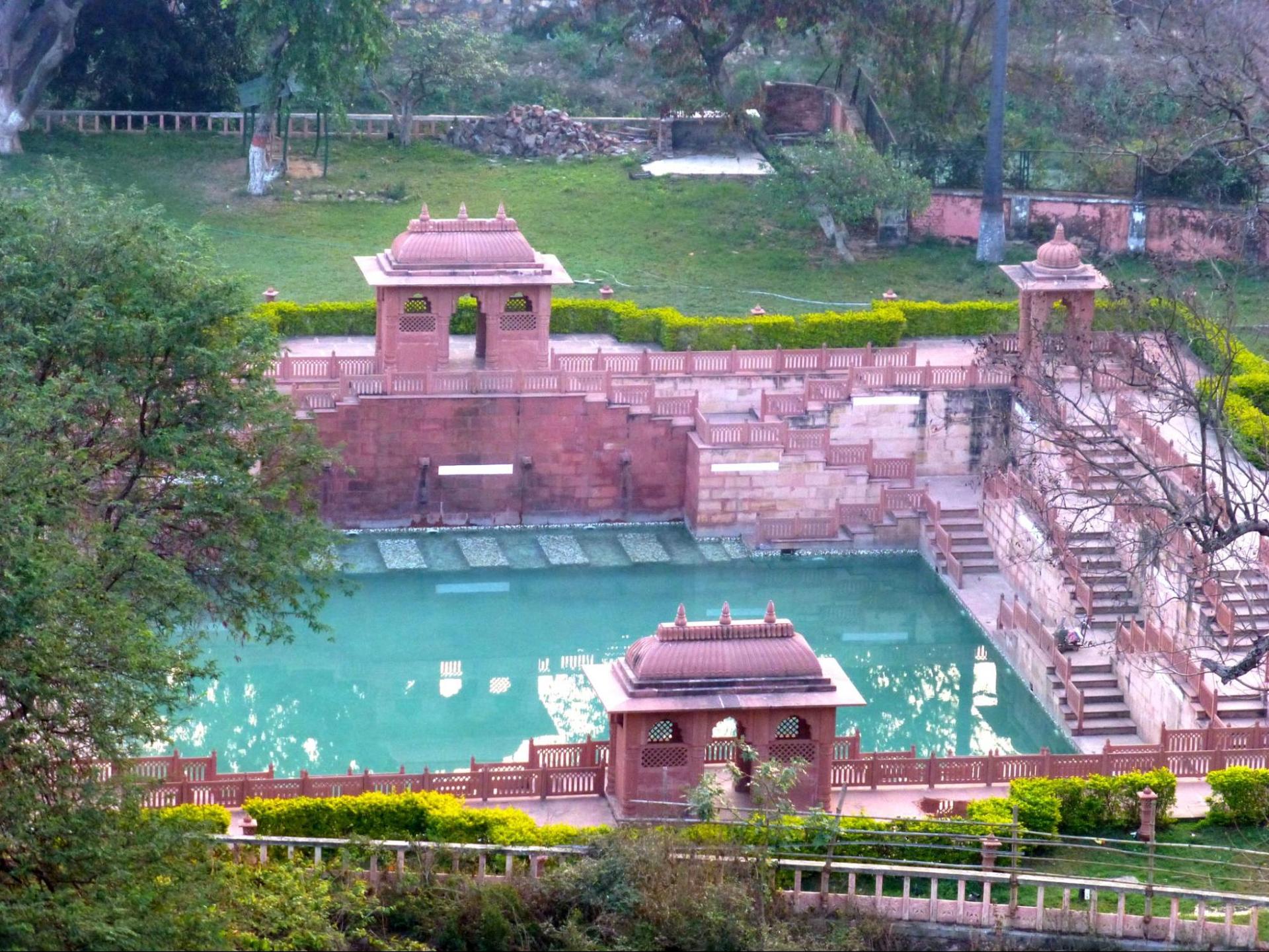
Brahmakunda is the most popular hot spring in Rajgir, known for its rich medicinal properties. It's believed to have healing powers for chronic ailments. Hindu devotees visit Rajgir specifically to take a dip in this ancient sacred hot spring.
The water is around 45°C. Wide sandstone stairs lead to the spring, with a separate enclosure exclusively for women. Vendors sell ritual items for devotees just outside.
Pro tip: September–April would be the best time to plan your visit.
Shwetambar Jain Temples
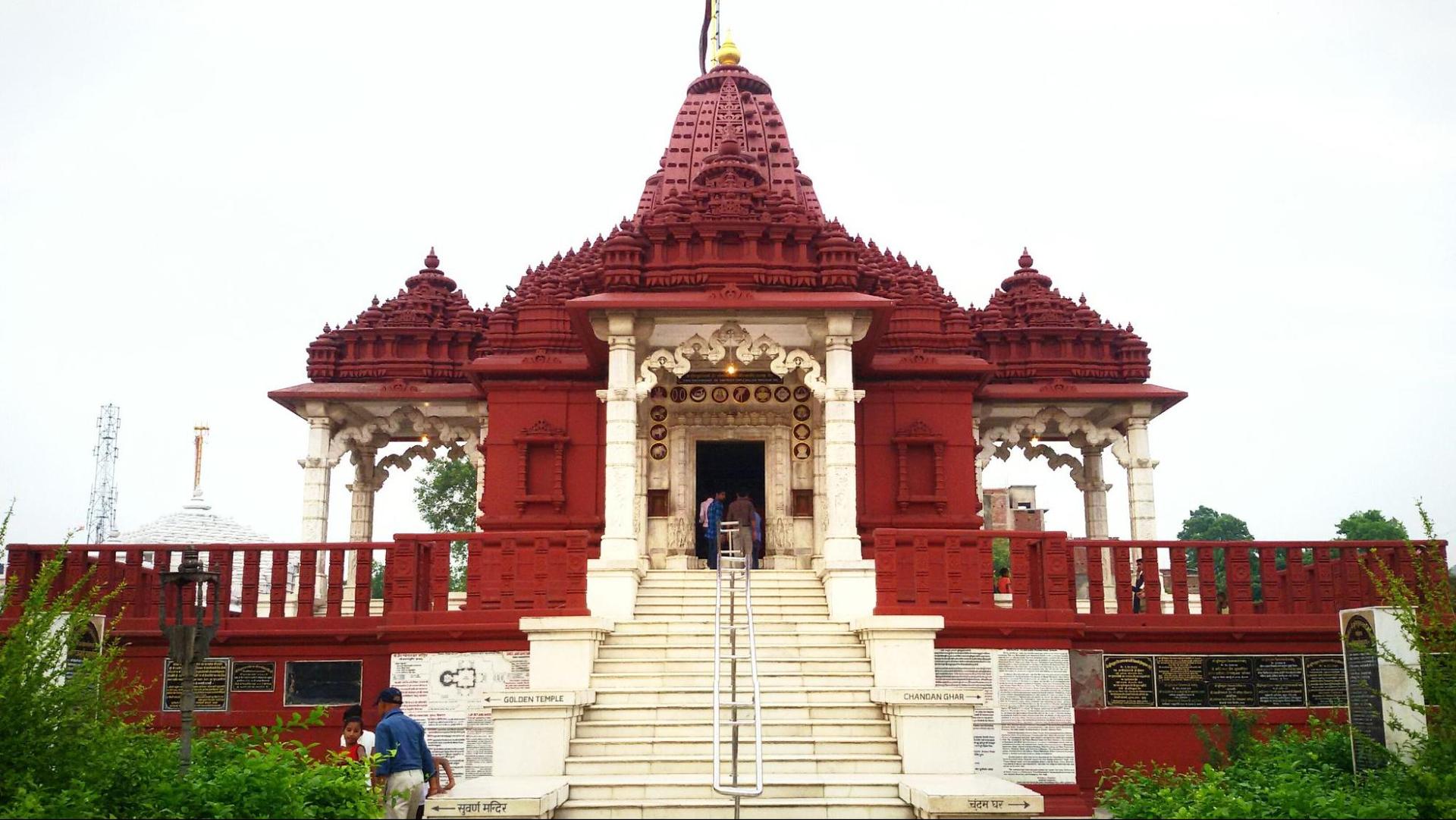
The Shwetambar/Navlakha Temple is a significant Jain pilgrimage site, dedicated to Lord Munisuvrata Swami, the 20th Tirthankara. It holds deep spiritual value for the Shwetambar sect.
Surrounded by calm landscapes, the site offers a peaceful setting for meditation and experiencing the Jain heritage. Built from fine marble and adorned with intricate carving, it stands as a masterpiece of Jain craftsmanship.
Another highlight is the Four Kalyanaks, which represent the four major events of a Tirthankara’s life: Garbha (conception), Janma (birth), Diksha (renunciation), and Moksha (liberation).
Ancient Ruins of Rajgir
Rajgir holds some of the major historical tales defining its role as Magdha’s capital around 1000 BCE. Each place showcases pre-Mauryan architecture and ties it to the epic Mahabharata folklore.
Son Bhandar Caves
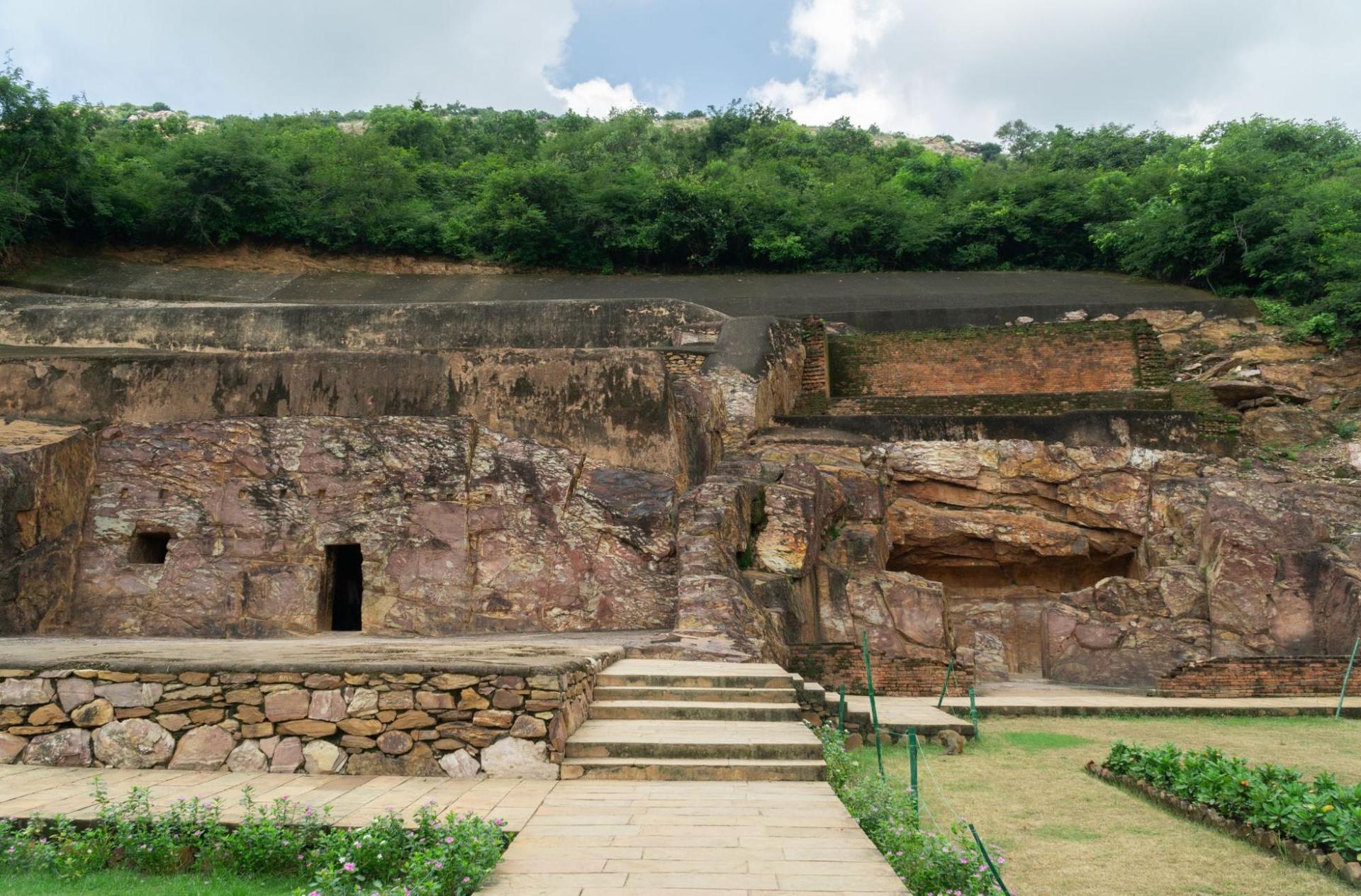
The Son Bhandar Cave is located in the Vihara Hills. This cave is basically a set of two artificial rock-cut structures dating back to the 4th century CE. However, the inscription found at the site suggests it may be older, possibly linked to the Maurya empire.
Written in Gupta scripts at the entrance, these caves were constructed by a Jain muni(wise man), Vairadeva. The cave structure is divided into two parts, one larger and one smaller.
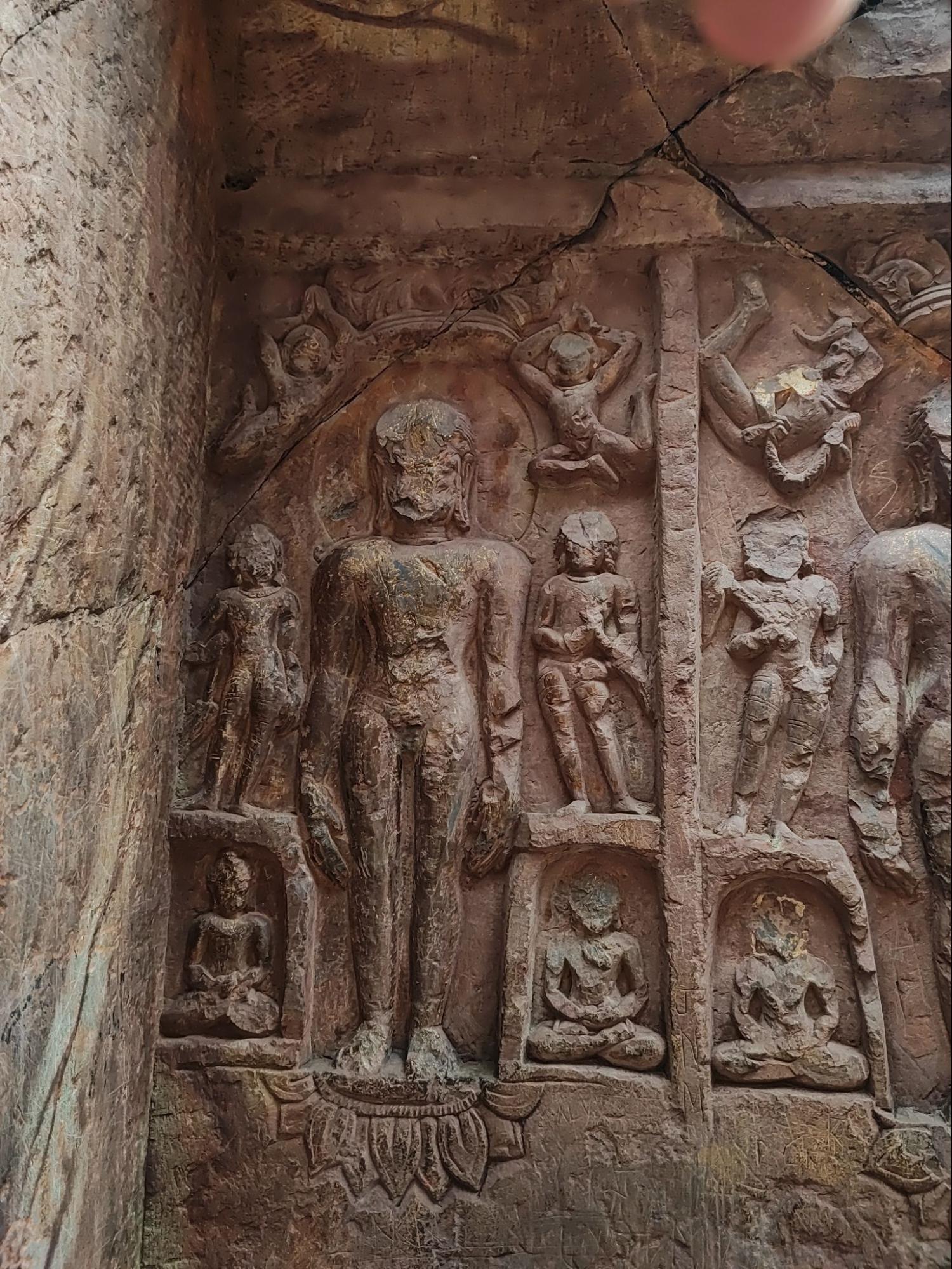
Local legends believe that King Bimbisara and his son Ajatashatru have hidden a large amount of gold somewhere inside the cave.
Though the treasure’s existence remained unverified, the legend led the British forces to cannon-blast a section of the cave, hoping to find hidden treasure. While the west cave is more preserved, the smaller one is mostly damaged. Archaeological evidence confirms that there was a second story that collapsed over the years.
Bimbisara Jail
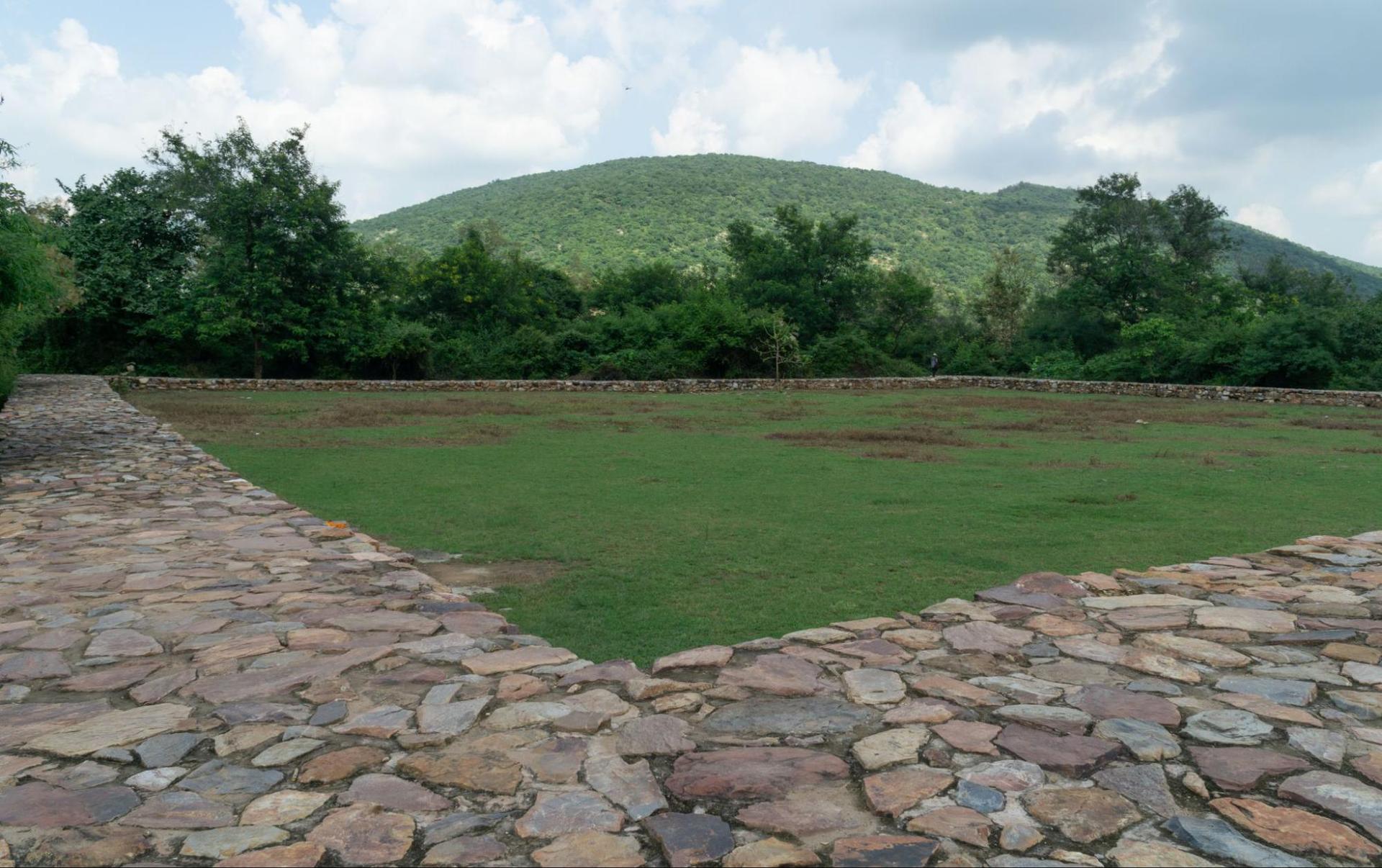
The ancient prison was named after King Bimbisara, who was captured and locked up by his very own son, King Ajatshatru, driven by his hunger for the throne. Because of this incident, the prison is now a famous tragic spot in Rajgir, Bihar.
His son asked him to choose a cell for his imprisonment, and he chose the one with a view of Vulture Hill. Being a devoted disciple of Buddha, he spent the rest of his days watching Buddha from his cell, ascending and descending the hill.
Ajatashatru Fort
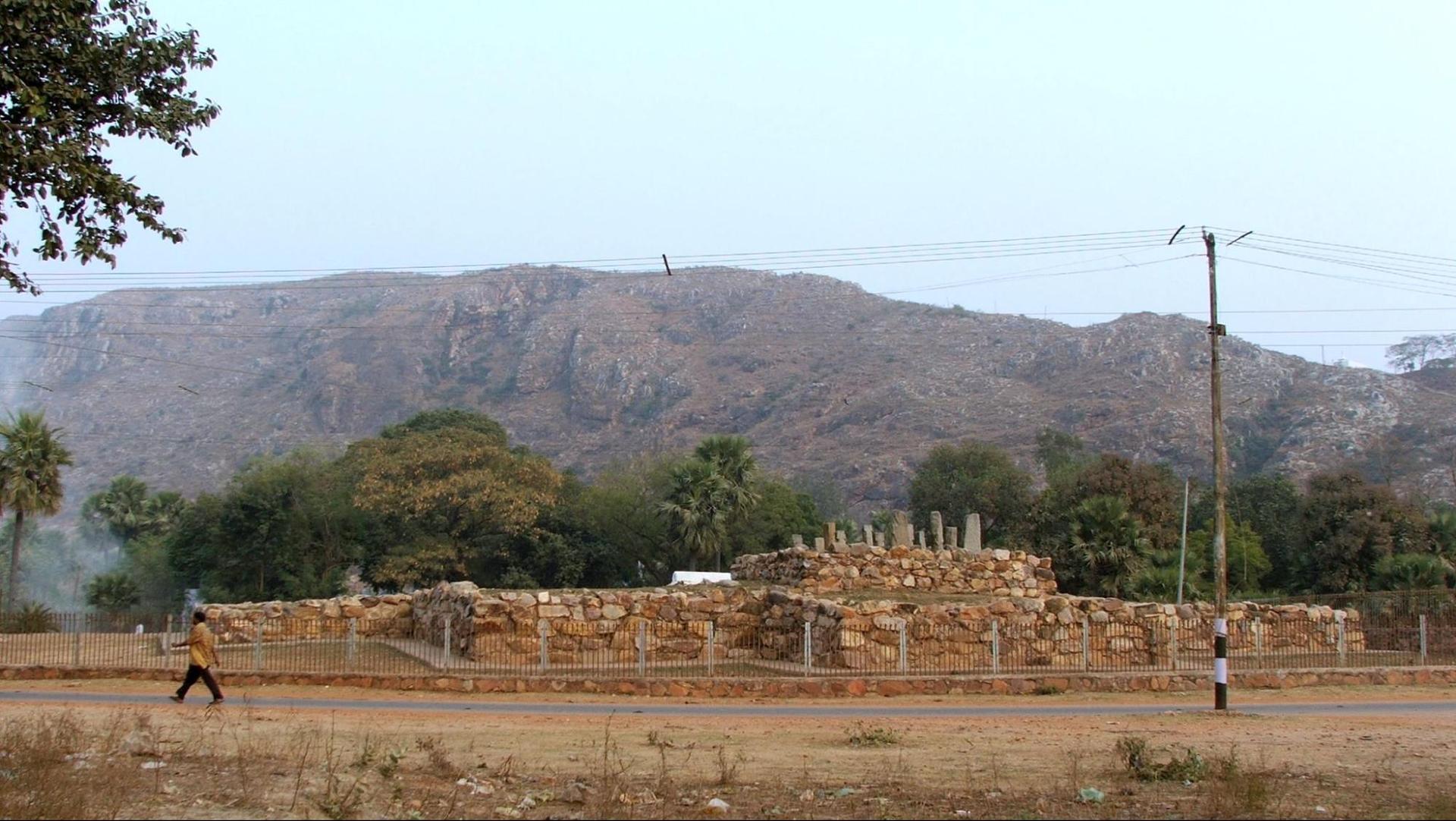
This 2500-year-old fort was built during the 6th BCE by King Ajatshatru to strengthen Maghad’s defences. It was once considered one of the finest forts ever built in India. The Fort follows a rectangular layout, with each corner having a stone tower. It also used to have a stupa known as the Ajatshatru stupa covering 6.5 sq.m.
At this time, the fort is in ruins, but it remains a major tourist attraction in Rajgir.
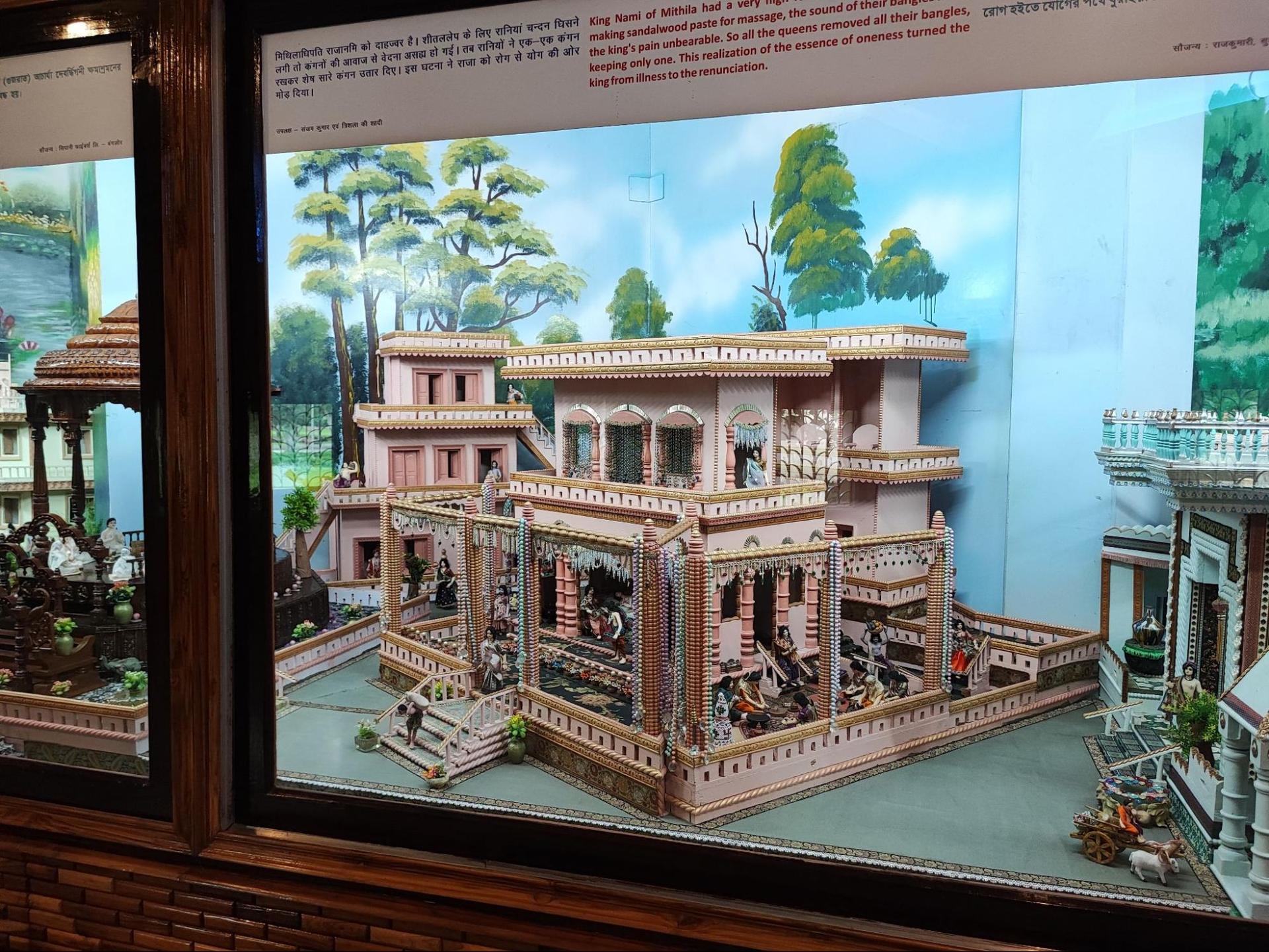
If you are planning a trip to Rajgir, these are the things you must know:
Getting there: Patna (100 km) or Gaya(80 km) airports, then bus/taxi; or train to Rajgir station
Best timing: October-March (pleasant weather, clear view). Avoid May-July for extreme heat and monsoon.
Must-try: Sunrise at Vulture Peak, hot spring bath at dawn.
Rajgir preserves 2,500 years of spirituality and history in one valley. A place holding Buddhism, Jainism, and Hindu devotees all at once. It’s rare in India, where pilgrimage sites usually center on one single faith.