
On the cover: Charak, the Father of Medicine and Surgery by Alokprasad, Balajijagadesh

In today’s fast-paced world, when stress and fatigue have become a part of our daily lives, I believe true healing lies in slowing down and reconnecting with yourself, doesn't it? And when you find a natural way to restore balance and well-being, then the journey becomes more reliable. So, in this direction, ancient wellness traditions are definitely finding renewed relevance. Today, Anaveda will present to you one such ancient therapy, Panchkarma. It is one of Ayurveda’s most profound healing therapies. You can see Panchakarma not merely as a relaxing wellness treatment but also as a holistic journey that focuses on cleansing, rejuvenation, and renewal.
The Essence of Panchakarma
As you see the name ‘Panchakarma', you must realize that its essence is more or less hidden in this term itself. It is derived from two Sanskrit words: "Pancha," meaning five, and "Karma," meaning actions or procedures. In short, Panchakarma refers to the five therapeutic cleansing procedures in Ayurveda designed to promote overall health.
Moreover, it is this therapy that is modified to suit your requirements rather than fitting you into its procedures. So you see, it is a comprehensive wellness practice altogether that combines personalised therapies, herbal medicines, dietary guidance, relaxation techniques, and lifestyle modifications to support overall well-being.
Unlocking the Five Therapies of Panchkarma
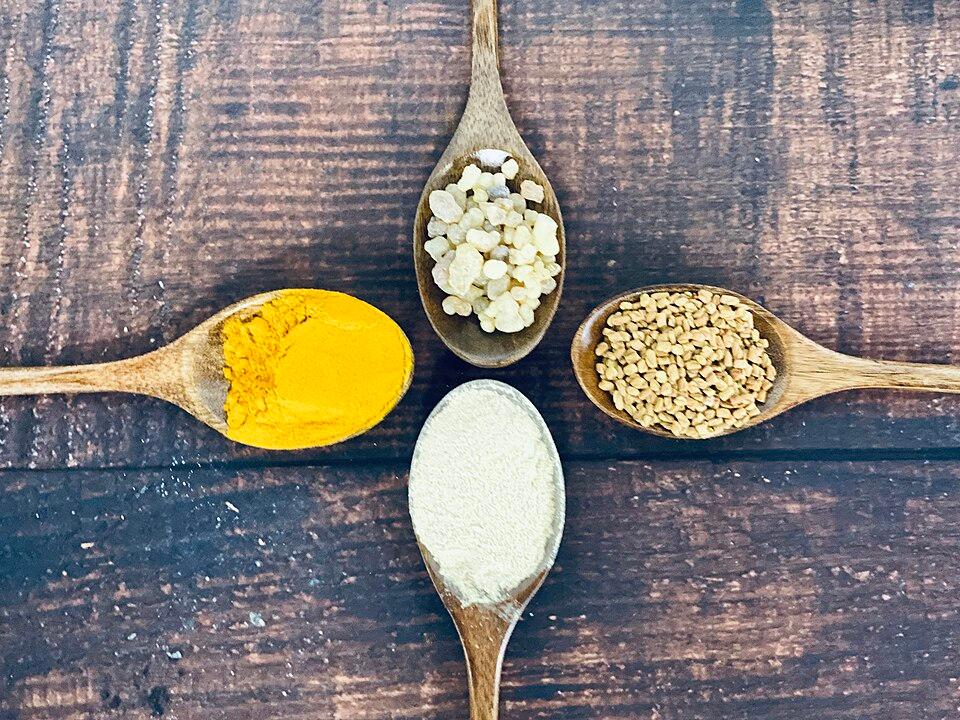
Panchakarma comprises five different therapies, each aimed at providing holistic development. What is unique here is that once you decide to go for the Panchakarma retreat, your Ayurvedic practitioner will recommend one or more of these therapies as part of a personalised treatment plan. The recommendation follows the requirements of your body, your nutritional levels, and most importantly, the balance of vatta, pitta, and kapha.
Quick fact: According to Ayurveda, Vatta, Pitta, and Kapha are Tridoshas, the Ayurvedic concept of the three fundamental biological energies that regulate all the physical and mental functions in your body. And that is when Panchakarma Theories come in, as they help you to rebalance and rejuvenate your soul. Let's see their procedure and how they can help you.
Vamana (Therapeutic Emesis)
Under Vamana, a controlled therapeutic procedure is followed, which helps to induce vomiting. Through this, the excess kapha dosha is eliminated from your body.
It supports respiratory health and restores bodily balance.
Virechana (Purgation Therapy)
You can understand this as a gentle cleansing therapy that uses herbal preparations to promote controlled bowel evacuation. It’ll be recommended to you if you suffer from excess pitta dosha and will help you to cleanse your liver, gallbladder, and intestines.
It supports digestive health, encourages detoxification, and promotes clearer skin.
Basti (Medicated Enema)
In this, medicated herbal oils or decoctions are administered into your colon, which helps balance the vatta dosha.
It supports digestive function, nourishes the tissues, and promotes overall vitality.
Nasya (Nasal Therapy)
As the name suggests, nasya is all about the administration of herbal oils or medicinal extracts through the nostrils. The essence of this therapy lies in the age-old Ayurvedic belief that the nose is the gateway to the head. So, clearing nasal congestion is essential for improving mental clarity.
It supports the health of the nasal passages and sinuses and promotes a sense of calm and relaxation.
Raktamokshana (Bloodletting)
This therapy is recommended to remove blood impurities in specific circumstances and is practiced under expert medical supervision. It does not form part of every Panchakarma programme.
It supports overall health and restores bodily balance.
The Transformative Power of Panchakarma
Provides Natural Detoxification
Your life hassles may not leave you with as much time as you need for your health. So, for a natural detoxification, you can surely go for a Panchakarma retreat. This will remove excess toxins through diet modifications, herbal remedies, and cleansing therapies.
Promotes Relaxation and Stress Management
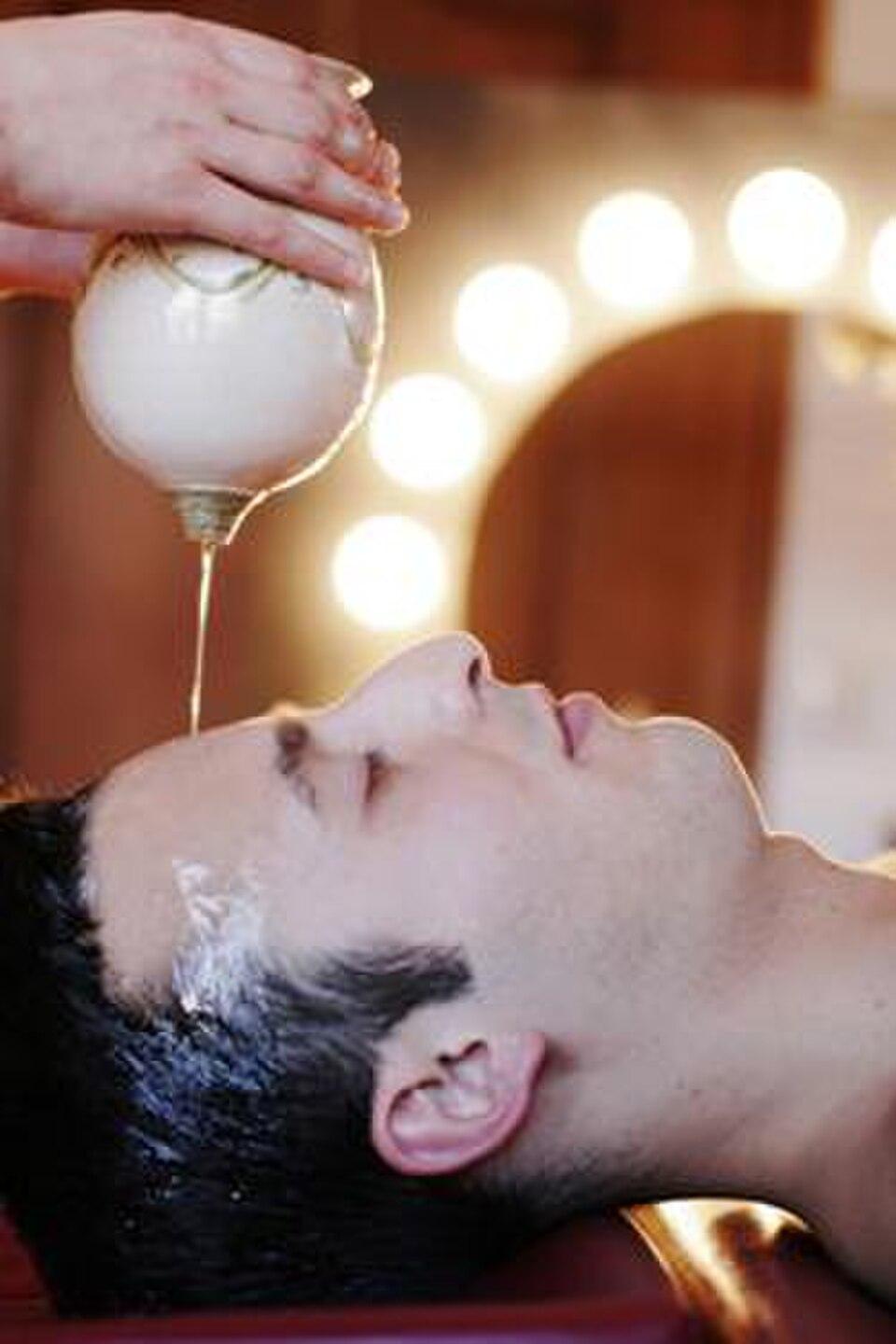
Calming therapies such as Abhyanga (oil massage), Shirodhara (head-dripping therapy), herbal steam treatments, yoga, and meditation will help you to create a sense of inner peace, allowing both the body and mind to unwind.
Enhances Sleep Quality
Its soothing therapies, mindfulness practices, and stress reduction techniques leave you with a relaxed mind and a balanced body, improving sleep quality.
Supports Healthy Circulations
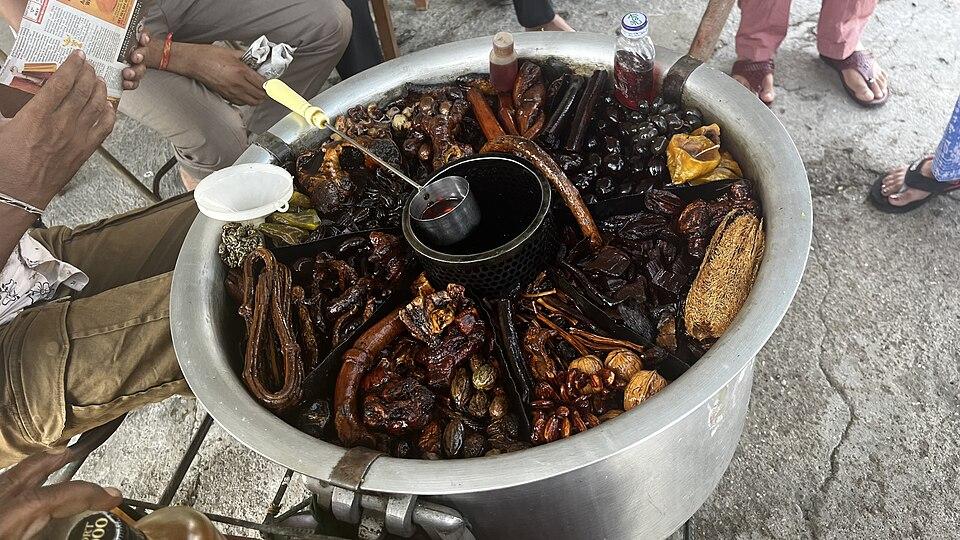
Widespread use of warm herbal oils and therapeutic massage throughout the therapy stimulates blood circulation and regulates the flow of nutrients in the body.
Encourages Mental Well-Being
As you know, Panchakarma is all about restoring balance between body and mind, so better concentration, mindfulness, and emotional well-being are definitely some of its outcomes.
The Panchakarma Havens Across India
Kerela
One of the most ideal places for living this traditional healing journey and Honeymoon. It has both an abundance of medicinal herbs and a tropical climate to suit the Panchakarma retreat.
Karnataka
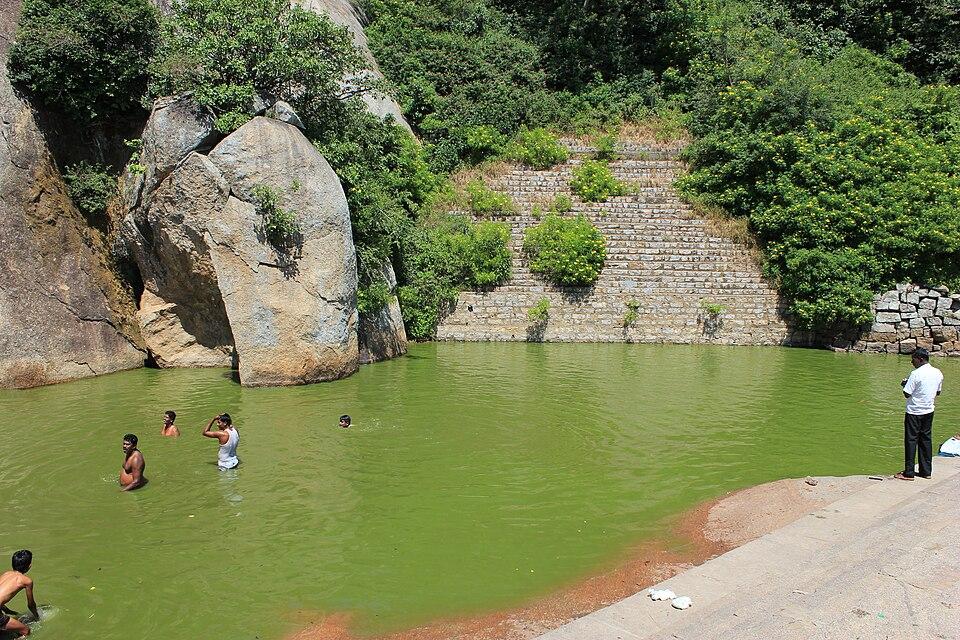
With their serene landscapes, refreshing climate, and peaceful surroundings, Mysuru, Coorg, Gokarna, and Chikmagalur provide an ideal environment for experiencing the restorative benefits of Panchakarma.
Goa
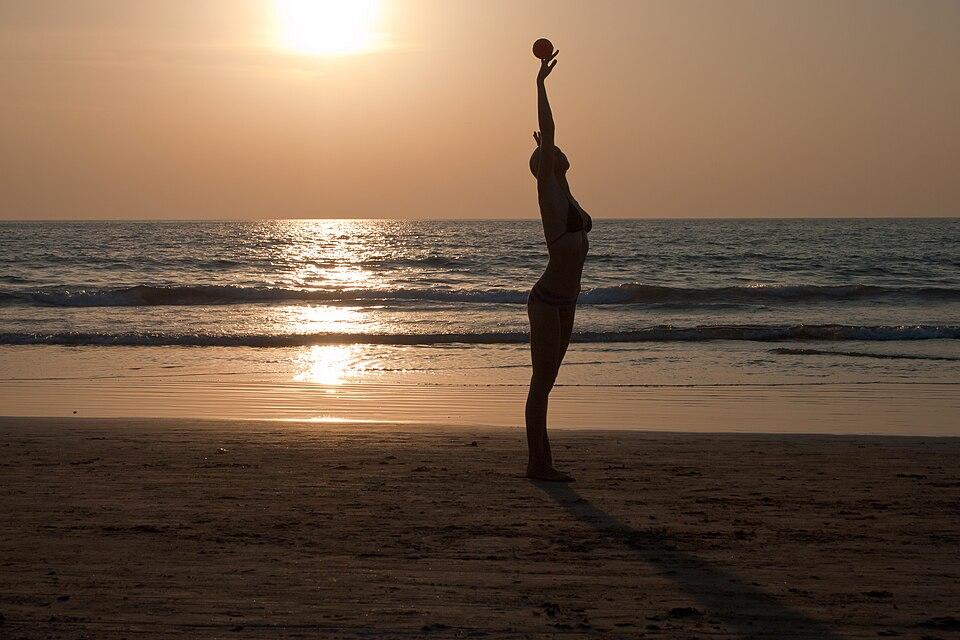
Along with sun-kissed beaches and a laid-back lifestyle, Goa offers therapies such as Panchakarma in its Ayurvedic resorts and retreat centres.
Uttarakhand (Rishikesh)
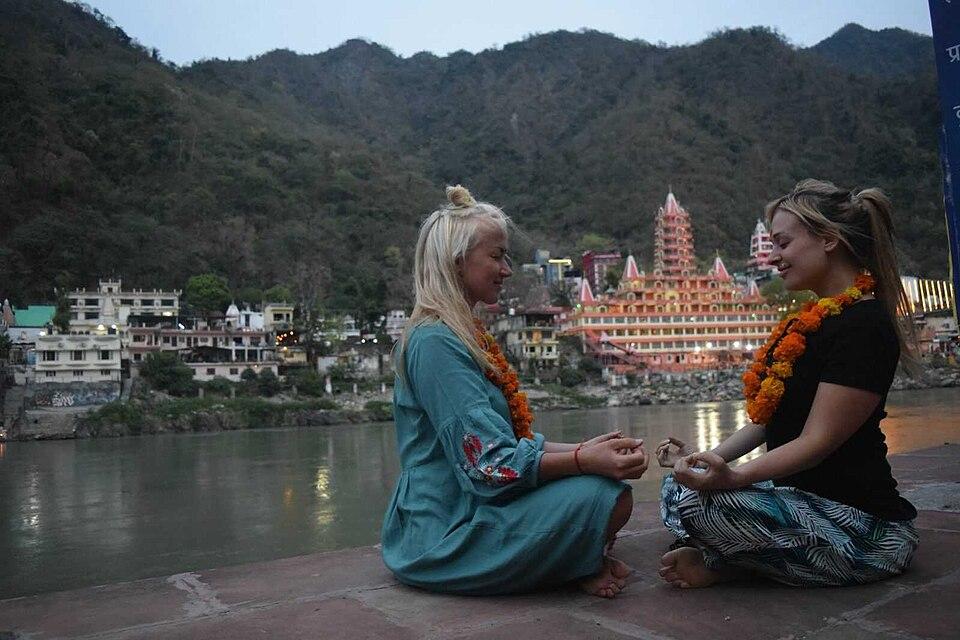
The Yoga Capital of the World! The town is home to numerous Ayurvedic wellness centres that integrate Panchakarma therapies with yoga, meditation, and mindfulness practices.
So, Panchakarma, an ancient wisdom, is truly an answer to all your modern health concerns in the most naturalistic way possible!
FAQs
How long does a Panchakarma programme last?
The duration varies depending on individual needs and the treatment plan. For some of you, it may last for a few days, and for others, a few weeks, 7–21 days being common for more comprehensive retreats.
Is Panchakarma only for people with health concerns?
Not really. Panchakarma mainly acts as a preventive wellness practice. So even if you seek to maintain balance, improve vitality, and build a healthy lifestyle, you are good to go to this retreat.
How often should Panchakarma be done?
You know the frequency mostly depends on your own health, lifestyle, and your Ayurvedic assessment. So, it's your practitioner who will give you a clear idea of the duration of your wellness journey.
Is Panchakarma safe for everyone?
Yes, it is definitely safe for everyone. However, it should always be performed under the supervision of a qualified Ayurvedic practitioner. Certain therapies may not be suitable for everyone, depending on factors such as age, pregnancy, or specific medical conditions.