
On the cover: The serene view of Elephant Fall at Shillong by Bito4

Meghalaya, a place that comes alive during the monsoon, is situated in the northeast of India. This place is also known as the “Abode of Clouds.” It is even home to towns like Cherrapunji and Mawsynram, which hold the title of the world's wettest places.
The monsoon in Meghalaya starts in June and lasts until September. During this period, the weather is cold, and it occasionally drizzles throughout the day. Locals use Knups (Khasi umbrellas), a cone-shaped shield made from available resources to protect themselves from rain while still able to work with both hands.
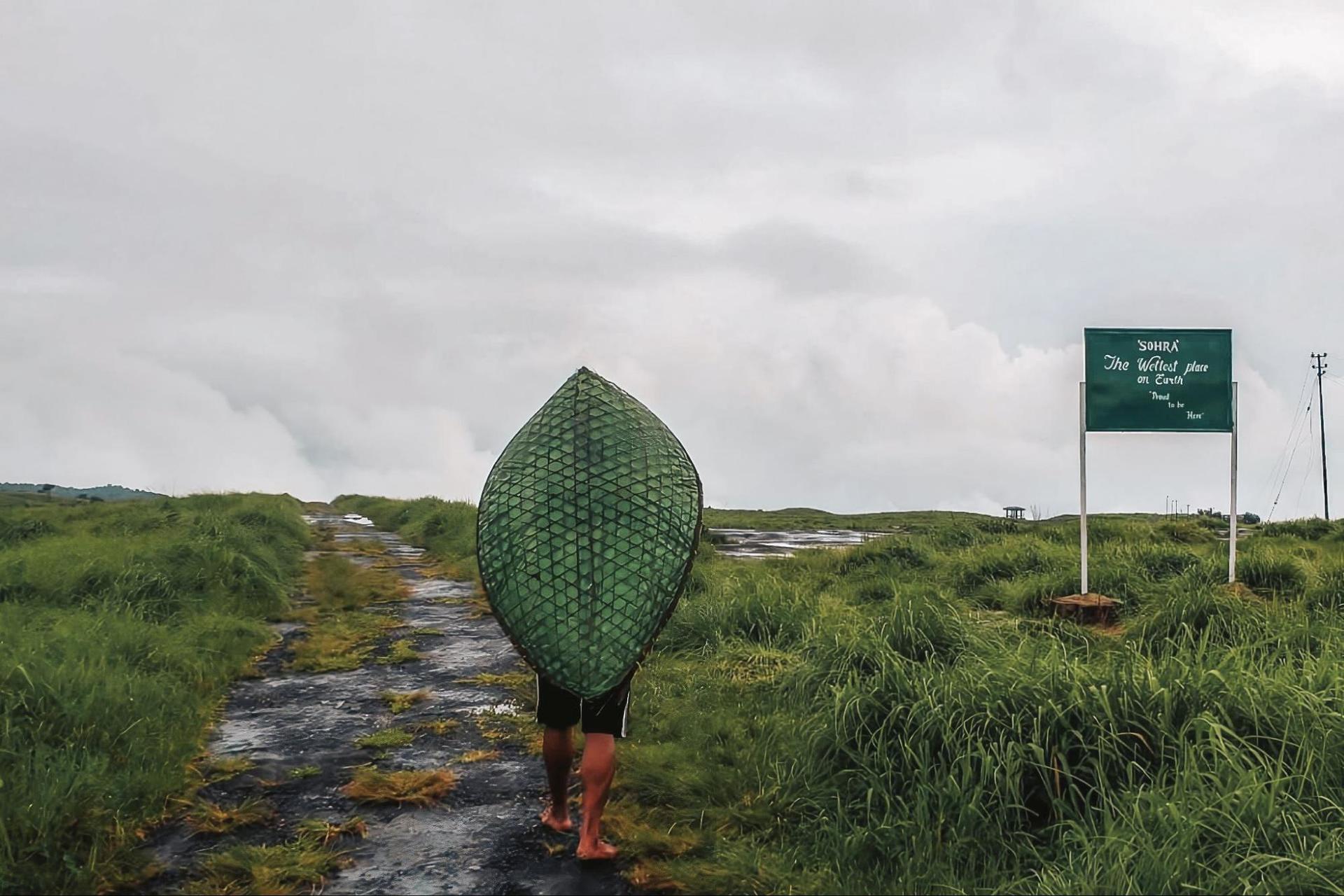
However, this is also the best time to visit Meghalaya and explore the deep caves, serene waterfalls, and the living root bridge that has been growing for generations.
The Mot Palong Park & Living Root Bridge
Tucked in East Khasi Hills, you’ll discover Mot Palong Hills near the Mawsyram village. The Park offers a sweeping valley view, layered cliffs, and mist covering the area. On clear days, the landscape stretches endlessly in shades of green, and on rainy days, the clouds cover the horizon.
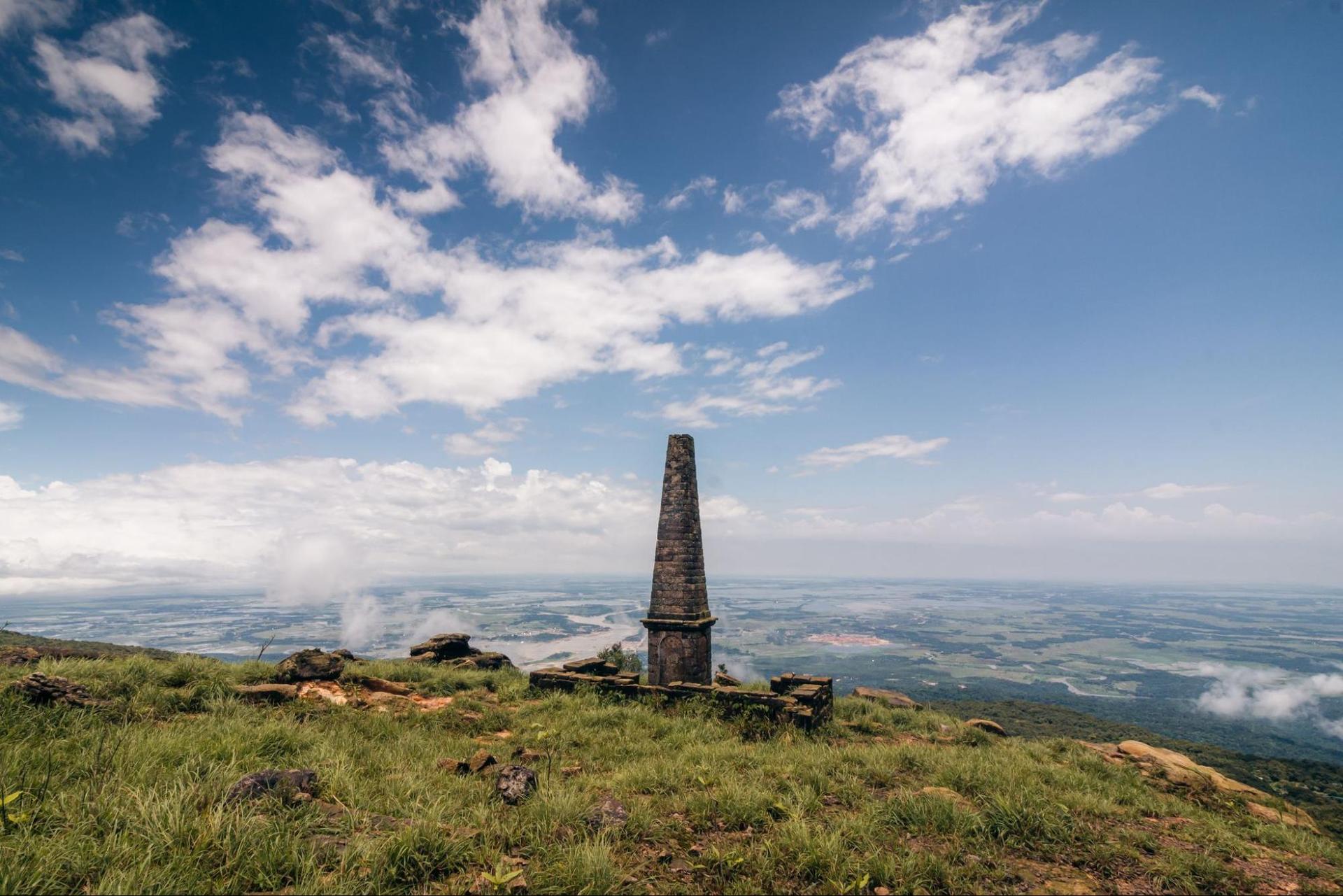
After visiting the Mot Palong park, the next stop is Tyrna. To reach the living root bridge, you need to take a 3 km-long stair trek. For locals on Tyrna, these 3000-step ain’t a trek, but their daily life. Villagers descend for supplies(food or other daily necessities), and children climb twice a day for school.
Once down, you’ll reach the Living Root Bridge, a beautiful creation of bioengineering. Khasi’s elders engineered these bridges over generations using traditional knowledge. You’ll find single as well as double-decker ones as well. But to reach the double-decker bridge, you first need to cross a narrow steel bridge.
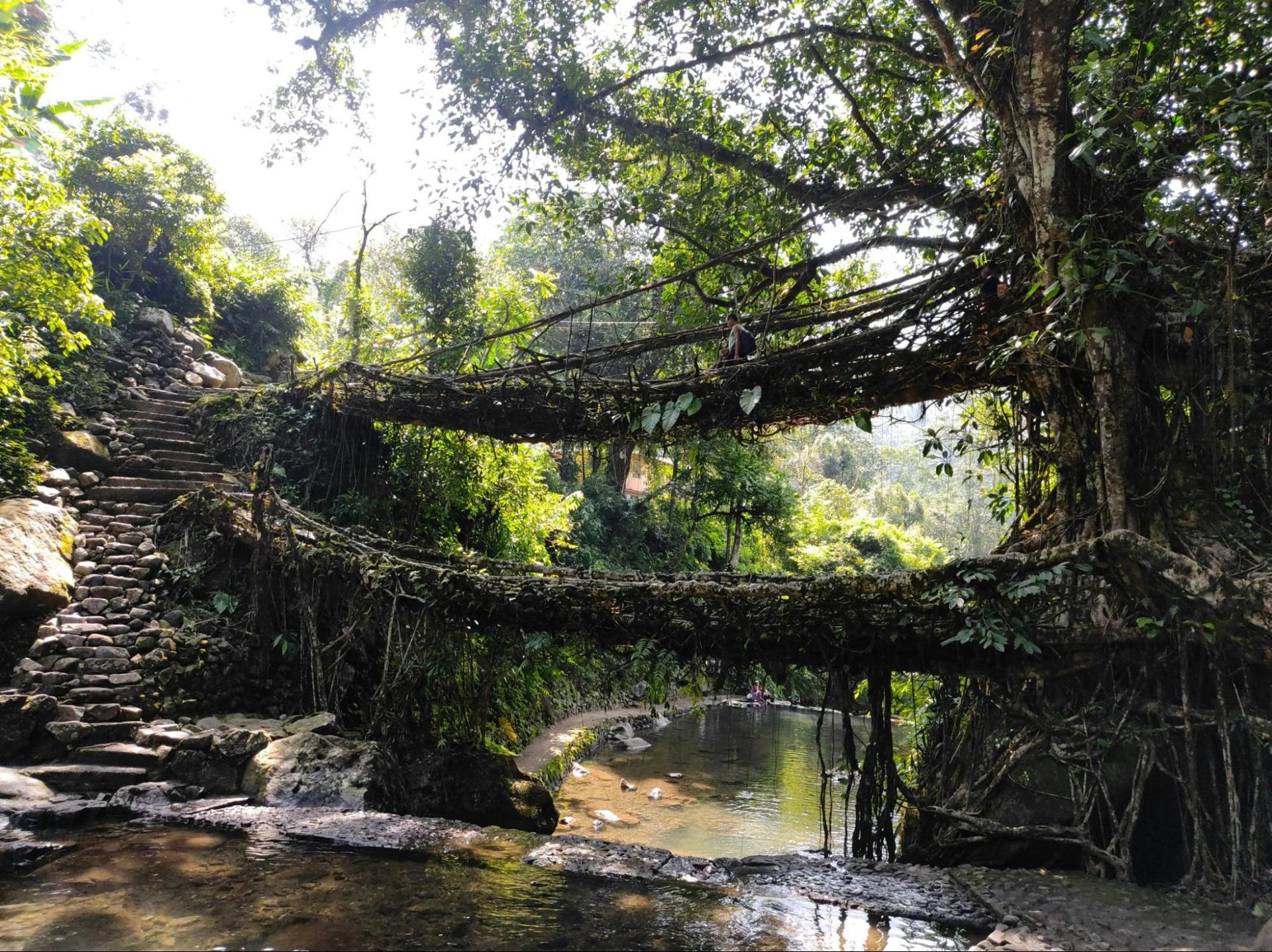
The elders of the Khasi community created this bridge with bamboo and roots. First, tie the bamboos on both ends of the trees, and then support the small roots over them. With time, these roots would grow big and strong enough to support people. Then they would add small bamboo planks to the base, making it easier to walk.
Where Water Falls — Nohkalikai, Seven Sisters & Beyond
If clouds define Meghalaya’s sky, waterfalls define its cliffs. In Cherrapunji, also known as Sohra, there are many waterfalls—some famous enough to have names, others that just exist.
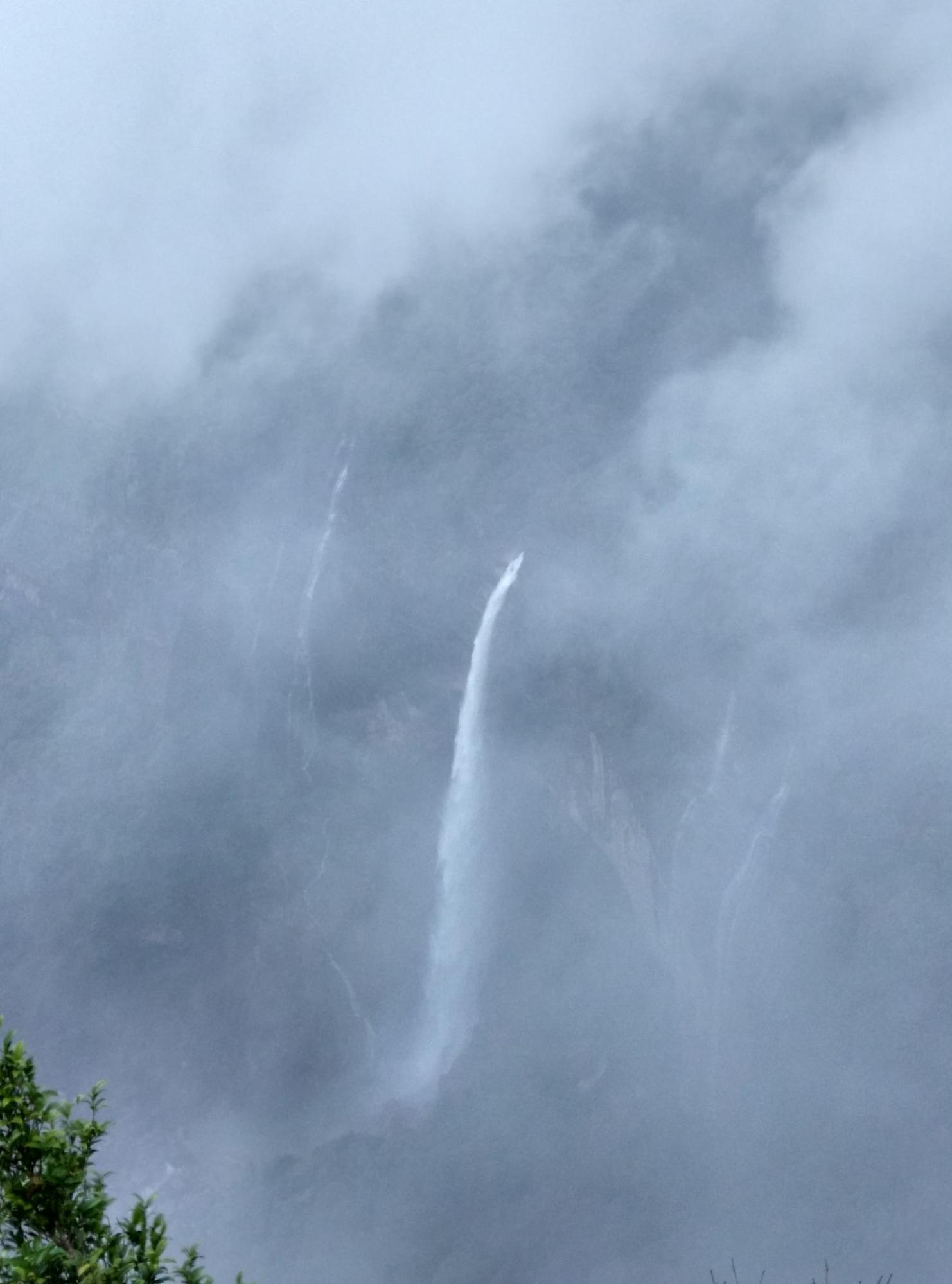
But first, let’s talk about India’s tallest plunge waterfall, Nohkalikai Falls. With approx 1115 ft, the water drops uninterrupted into a deep emerald-green pool below. In Monsoon, the waterfall is covered with misty clouds, making it more enchanting and heavenly.
The name ‘Nokhalikai,’ which means ‘Jump of Ka Lika,’ is linked to a local legend in the Khasi community. It’s about a local woman, Lika, who jumped off the cliff near the falls in grief over her child[1].
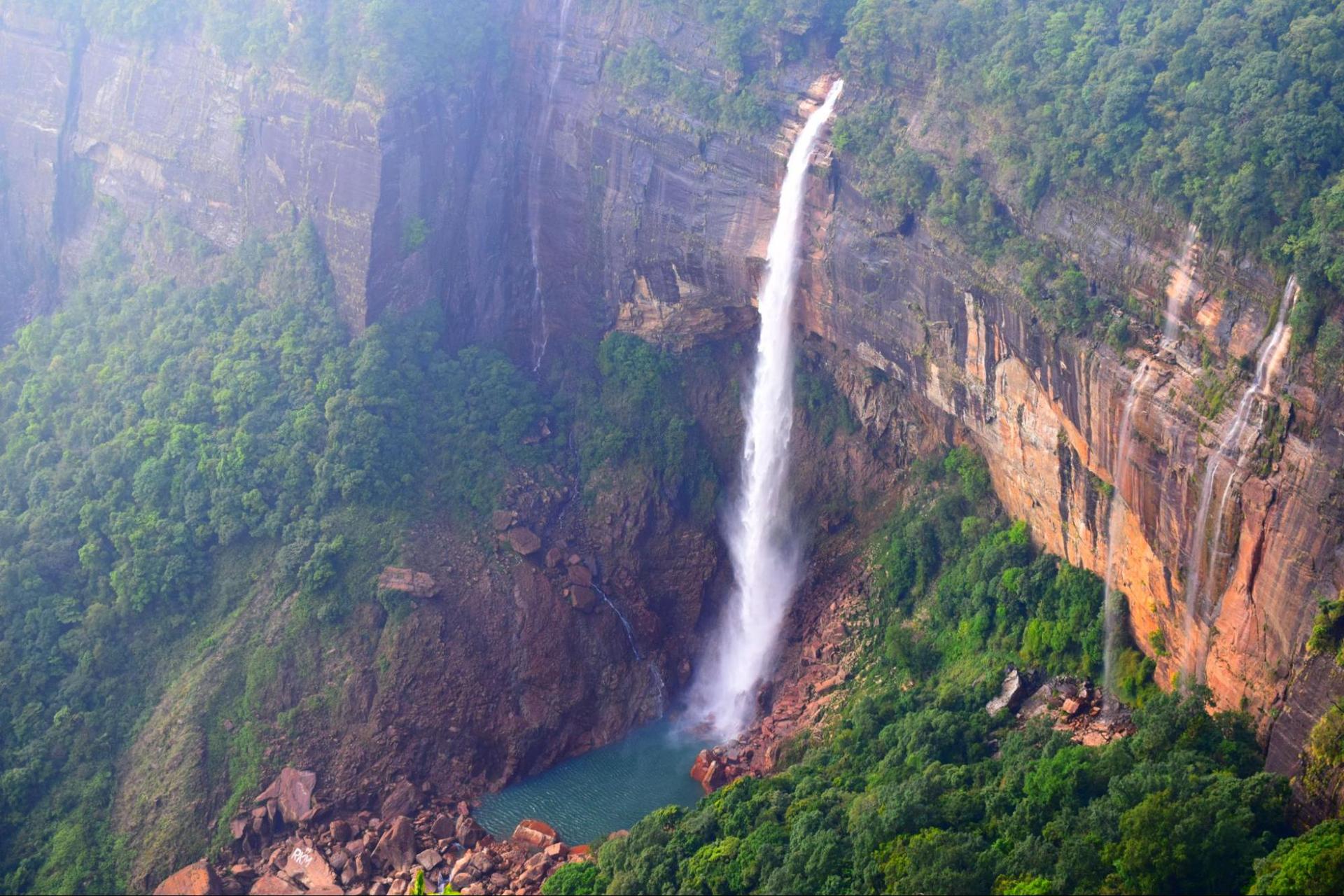
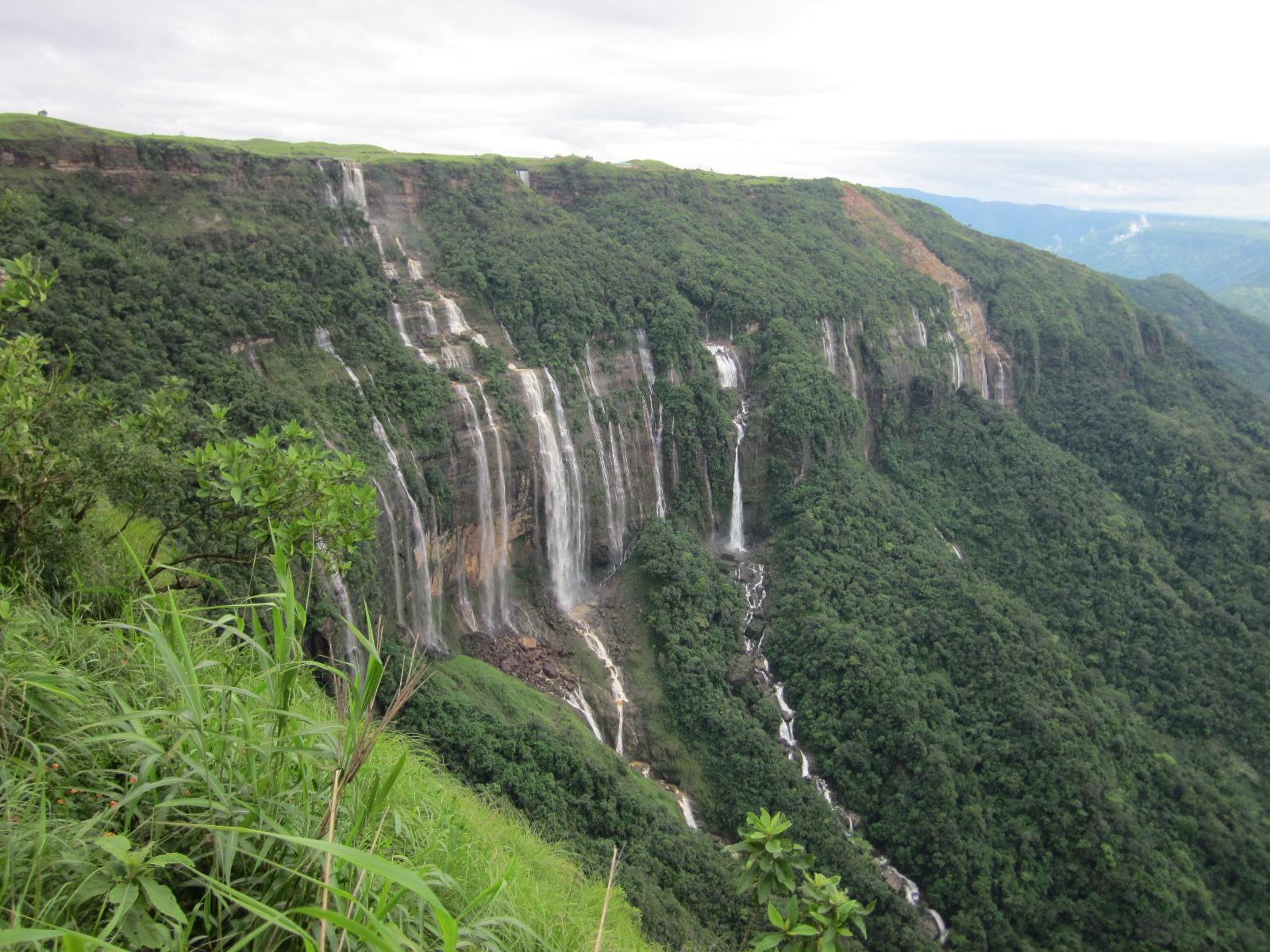
Not far away lies Seven Sisters Falls. As the name says, the water splits into multiple different streams, descending side by side down the limestone cliff. Like the previous one, this waterfall is also tangled with a legend from the community. There are different variants of the folklore, one of which is said to be a tragic story of the seven sisters who a single suitor pursued. Out of jealousy, they transformed into the seven streams, forever frozen in their emotional turmoil[2].
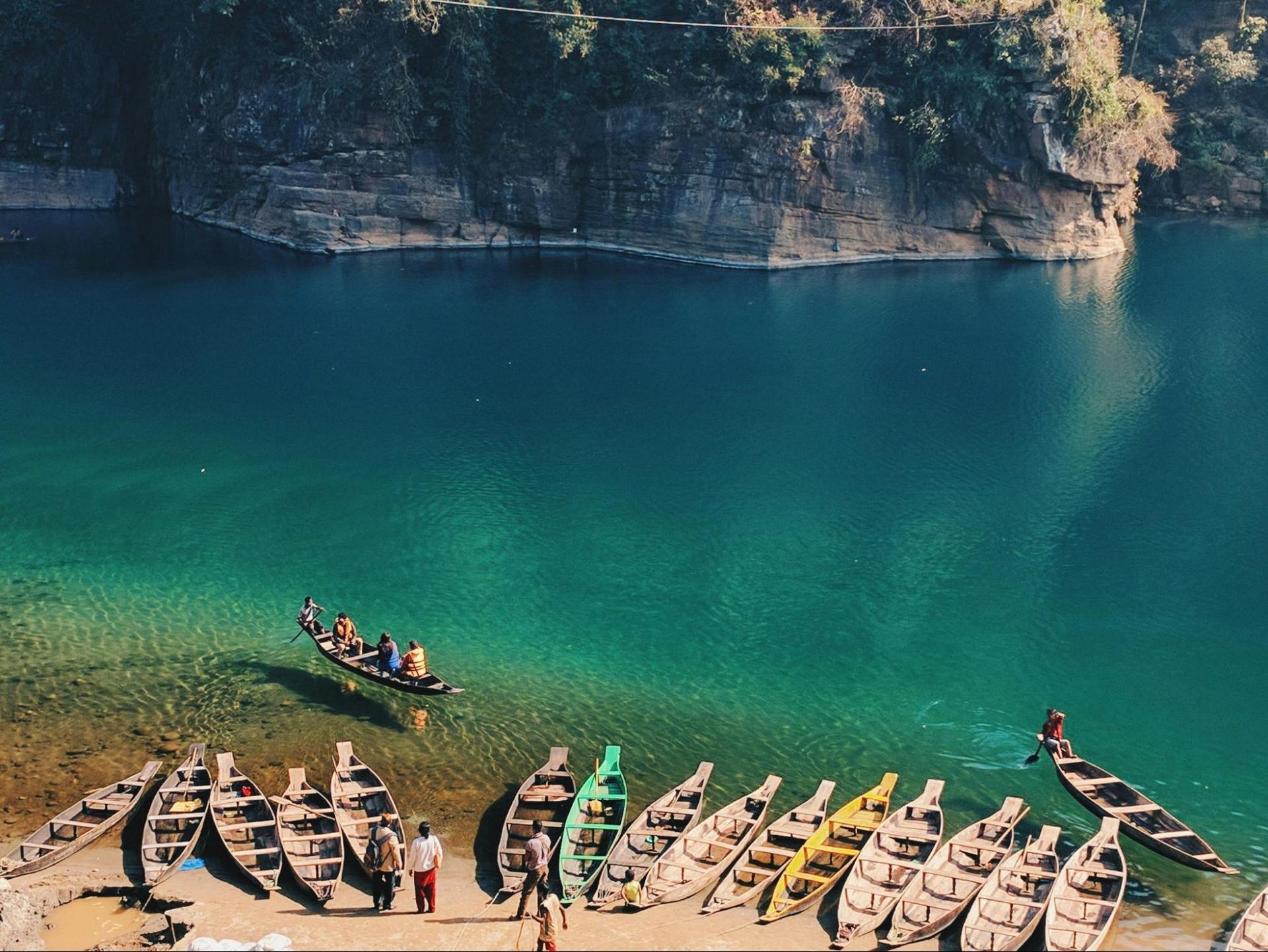
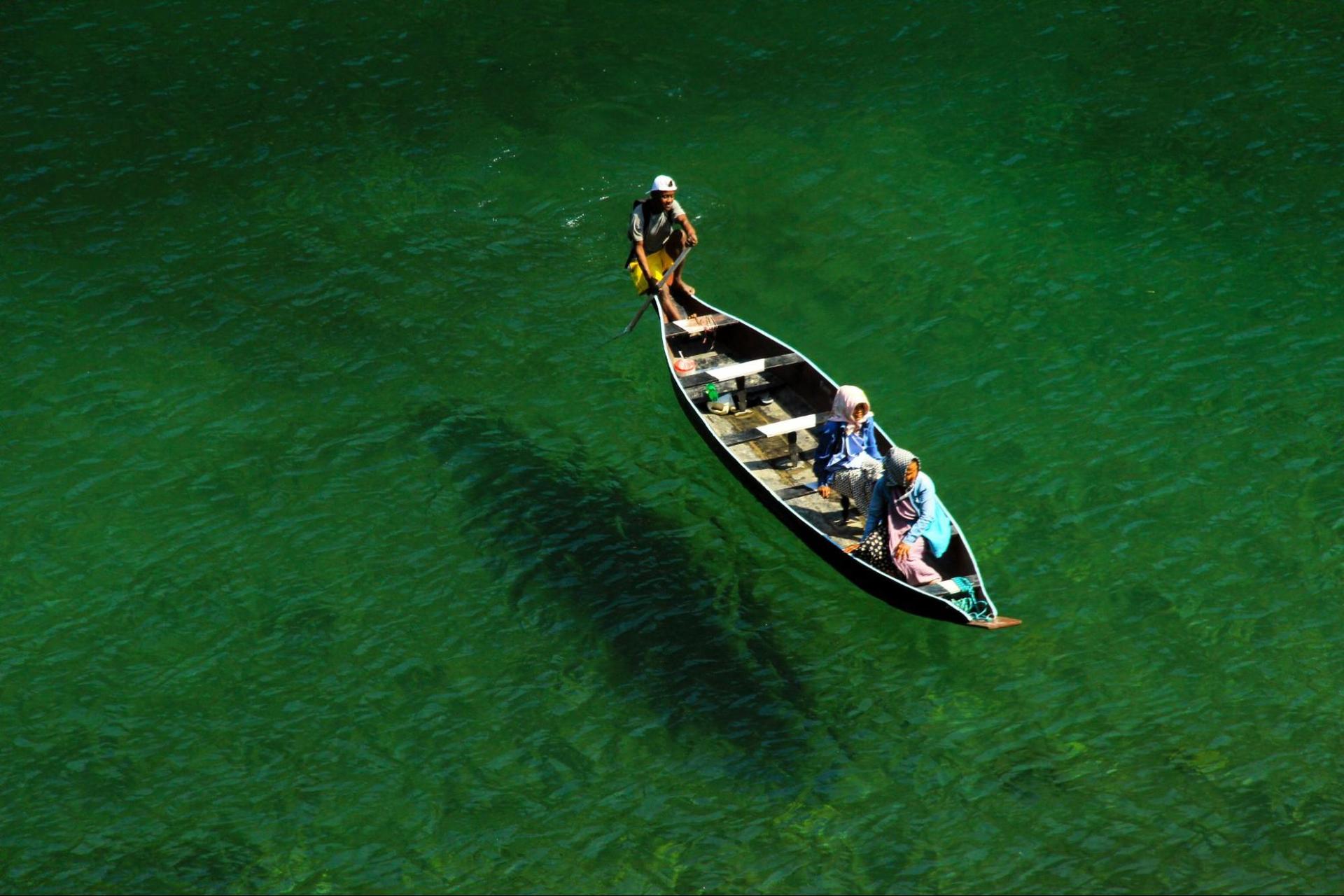
Furthermore, Meghalaya’s relationship with water is not just vertical. Near the border of Dawaki, the Umngot River presents itself with clarity. Especially during winter, the water turns so transparent that the boat appears to be floating on air.
Pebbles on the riverbed remain visible even from the shore, and the slow-moving water reflects the hills and valleys. Unlike the waterfalls, fast, majestic, powerful descending the hills, Dawki is calm, reflective, and peaceful enough to reclaim your wandering thoughts.
Into the Caves — The Hidden World Below
Apart from valleys and waterfalls, Meghalaya hosts some of India’s most extensive cave networks. Mawsmai Cave, with limestone formations and underground rivers, and Krem Liat Prah, with vast chambers and other caves offering fossilized passages and bat habitats.
Mawsmai Cave, located near Cherrapunji (Sohra), invites you to venture deep. The cave showcases a mix of wide-open spaces with skylights and narrow passages. Inside, you’ll witness dramatic stalactites hanging from the ceiling like frozen drips and stalagmites rising from the floor like spikes. The air inside is cool and carries the steady echo of water dropping. However, the path accessible to tourists is completely safe.
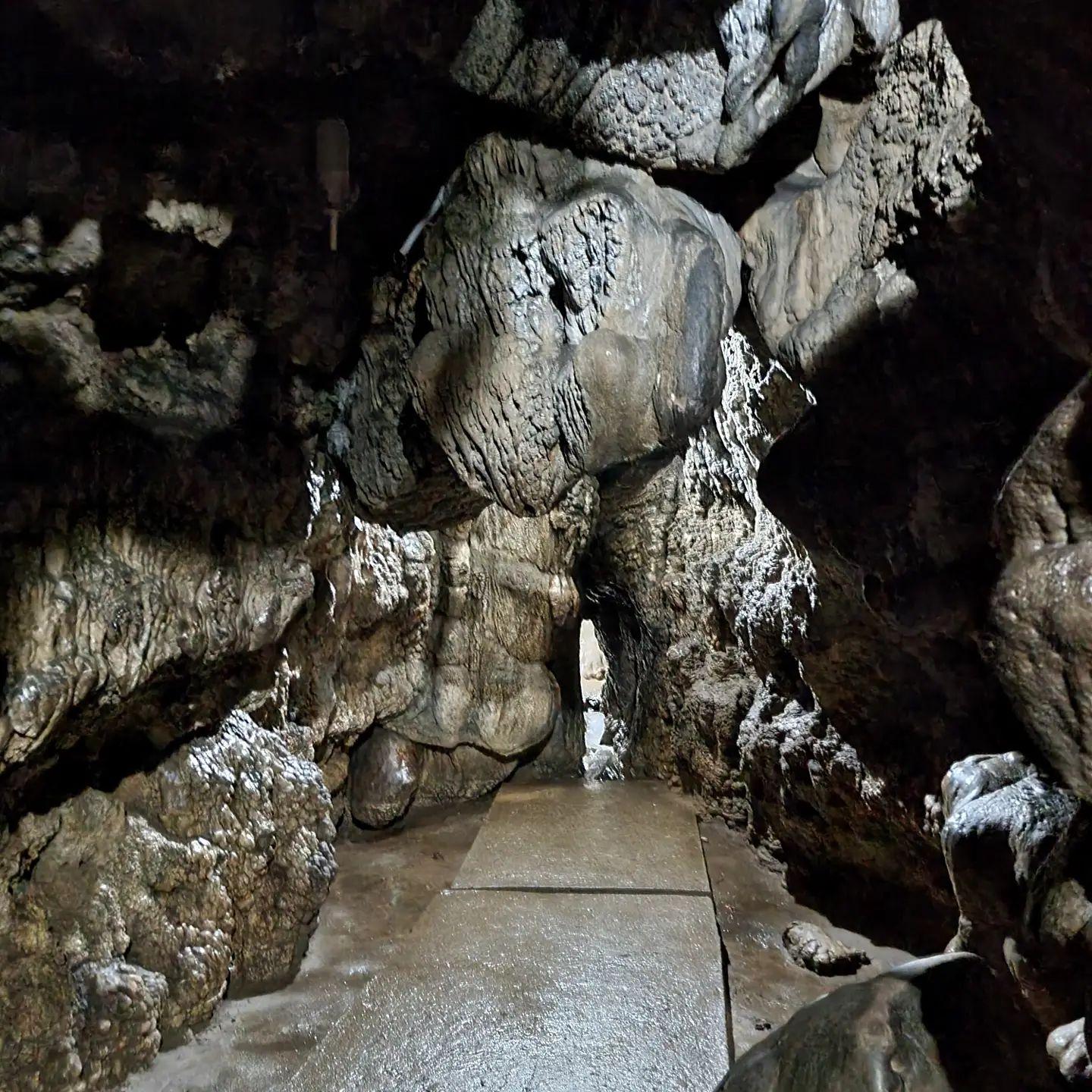
Moreover, if you venture into the Jaintia Hills, there lies Krem Liat Prah, one of the longest cave systems in India, stretching over 34 km (and still being explored). Unlike any other visitor-friendly cave, this one is a dream destination for geologists and cave explorers. This cave is famous for its enormous trunk passage called ‘Aircraft Hangar.’ Inside looks like a colossal tunnel, almost man-made, but it's actually created by nature over the years.
However, just be on the safe side by taking a guide with you. This will maximize your experience and insight without you getting lost. Also, be prepared for some climbing and crawling — carry some light snacks to keep you energised.
Furthermore, in your cave exploration journey, you should head to Nongjrong near Dwaki. There is an offbeat natural spot with a misty hilltop and the fifth-largest cave in India, stretching over 10.5 kilometers. Krem Chyme a stunning river cave that offers visitors a thrilling limestone cave formation with an underground river.
This underground river cave is located deep inside the Jantia Hills. You’ll need a guide to reach this place. The entrance itself will captivate your heart. A big, round cave entrance with water flowing from deep inside. You can explore the cave by swimming inside or by taking a bamboo raft.
Meghalaya is a place where people accept waterfalls and live through them. The monsoon that arrives overnight and disappears by March. Sky covered in clouds, caves become an underground river and waterfall, covered in mist. Even in the rain, every moment you spend in Meghalaya, you won’t regret it.