On the cover: Indian street market by pixabay
As the dawn breaks over Indian cities and villages, street markets begin to open. Metal shutters go up, and shopkeepers sweep off the dirt and arrange their wares. Trucks arrive, bringing boxes of fresh produce, and tea is distributed at nearby stands. This is a daily routine contributing to the country's informal economy.
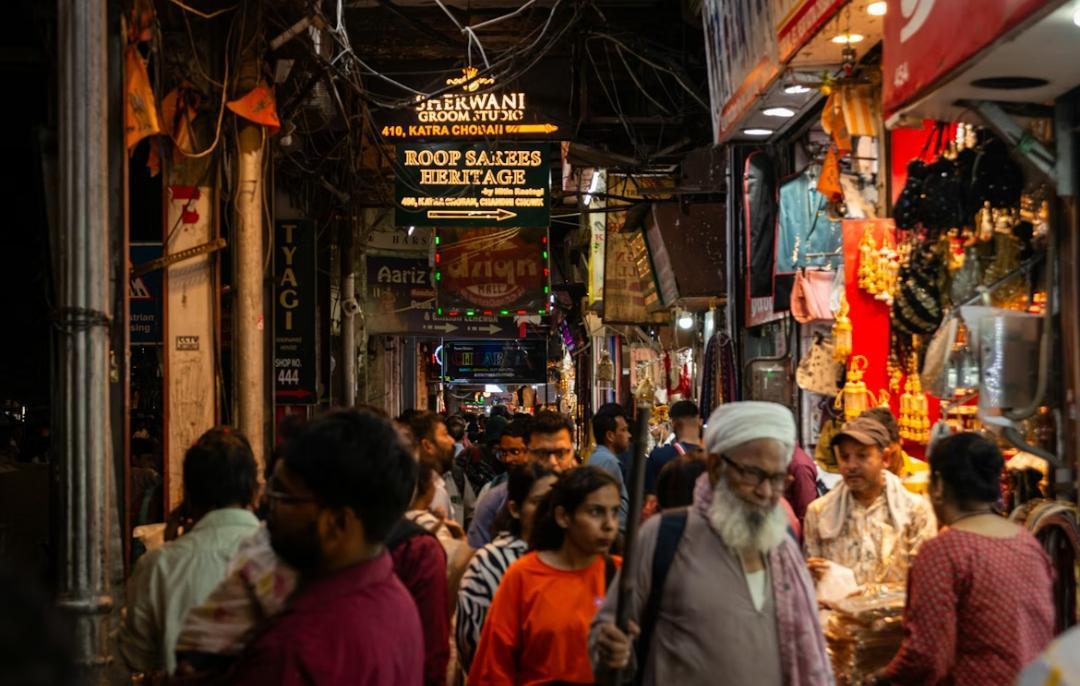
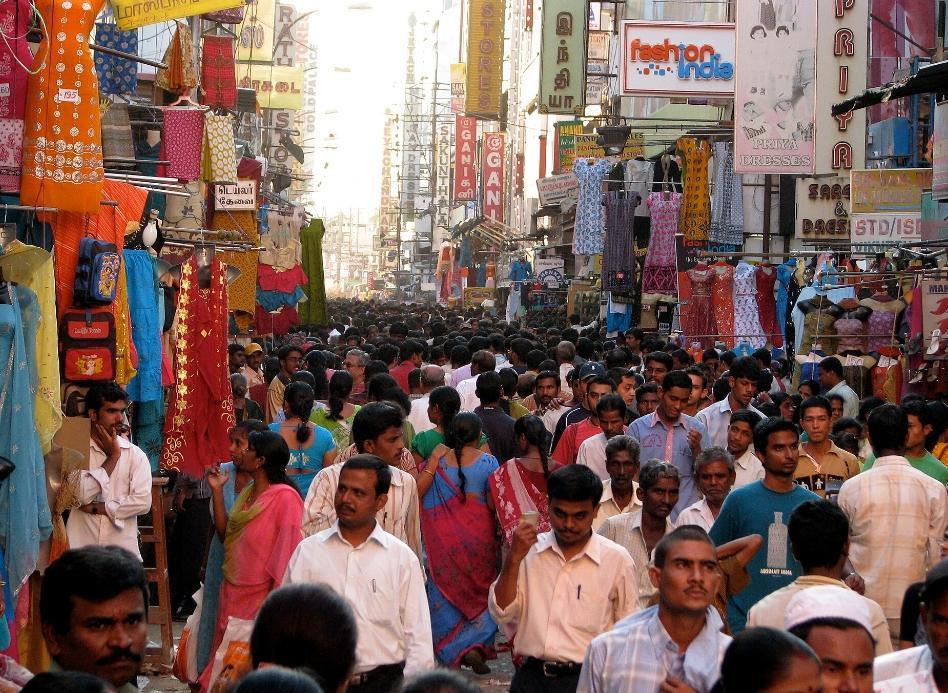
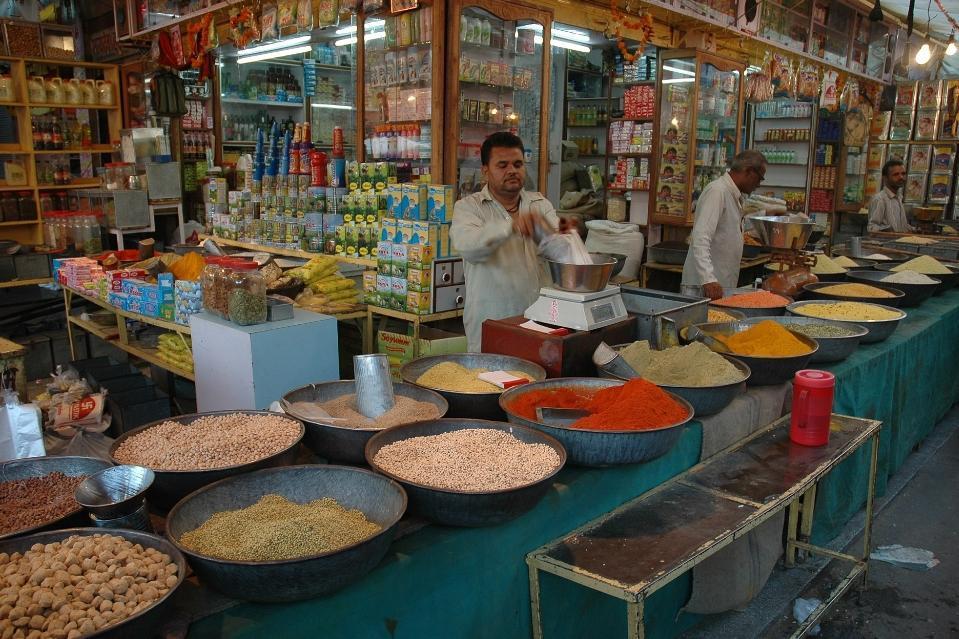
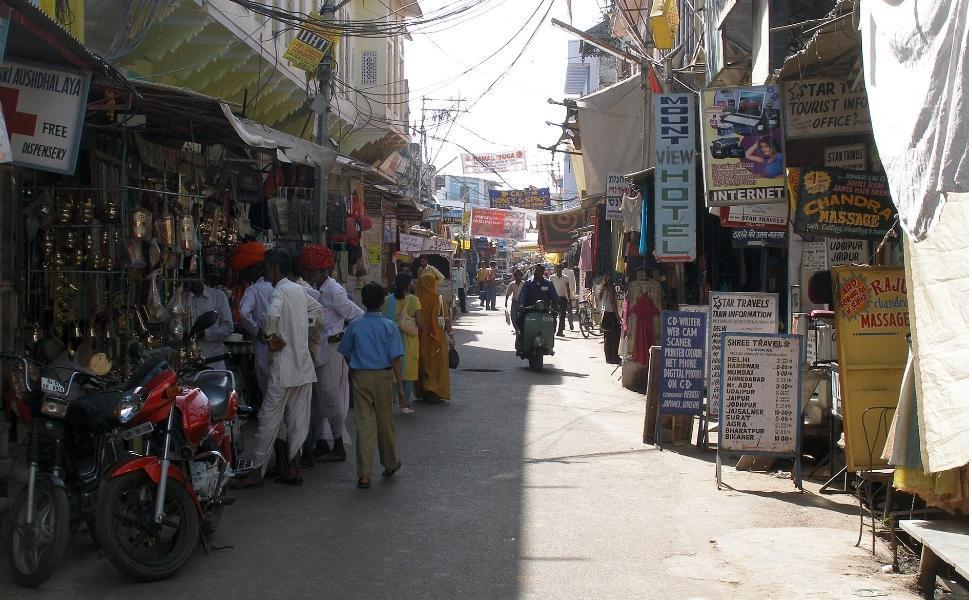
For tourists, entering an Indian street market feels unfamiliar compared to malls or organized retail spaces. Bright colors line the pathways. Crowds bustle in every direction. Different sounds—voices, music, and bike horns overlap. Unlike supermarkets, these markets operate without fixed layouts or quiet aisles. Here, multiple senses are engaged at once—sight, sound, and smell. Every stall reflects the livelihood and routine of its vendor.
Morning: Produce, Regulars, and Routine
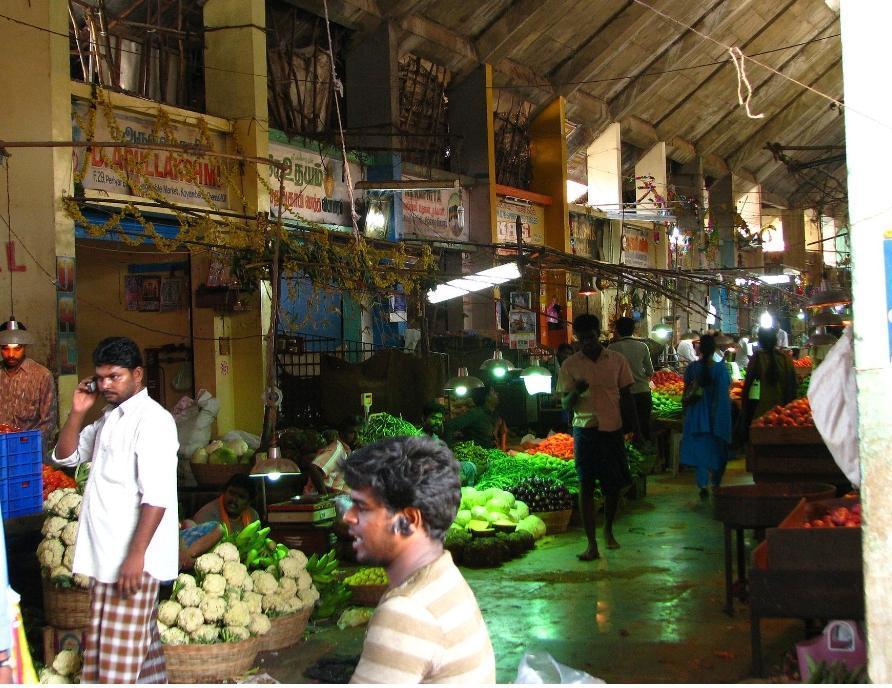
In the morning, the locals come to collect fresh produce. The tomatoes are stacked into neat piles. Bunches of bananas hang from the top, while the wooden carts are filled with green chilies, ginger, turmeric, and garlic.
Regular customers receive a warm welcome and are served quickly. Prices, on the other hand, are negotiated casually rather than formally fixed.
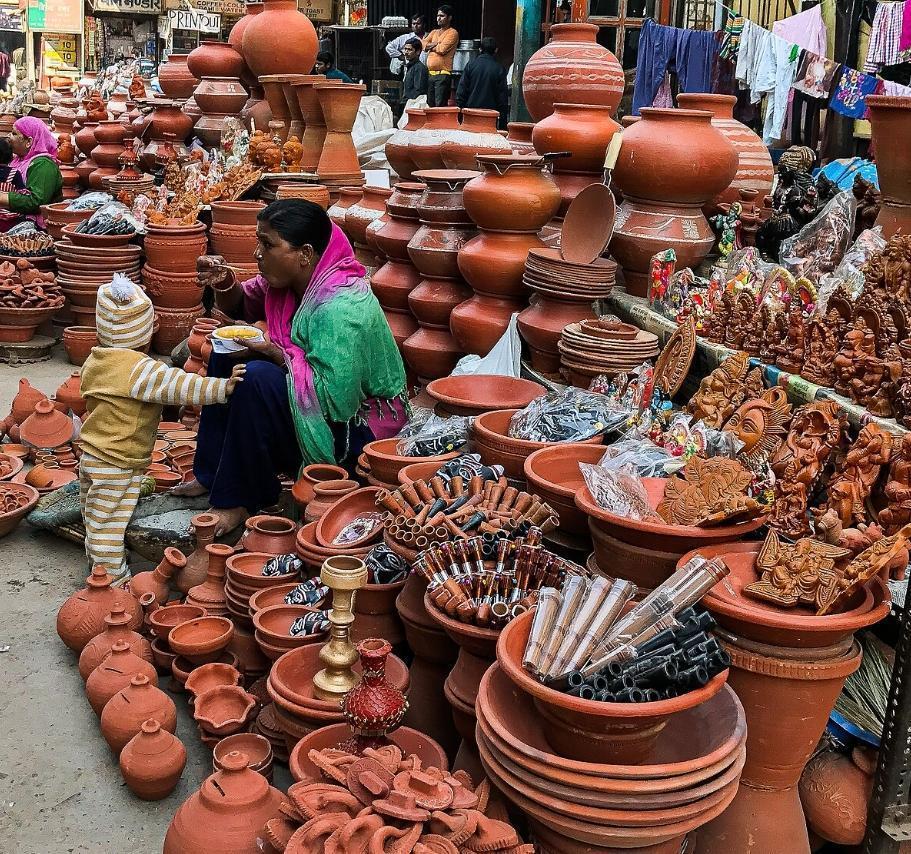
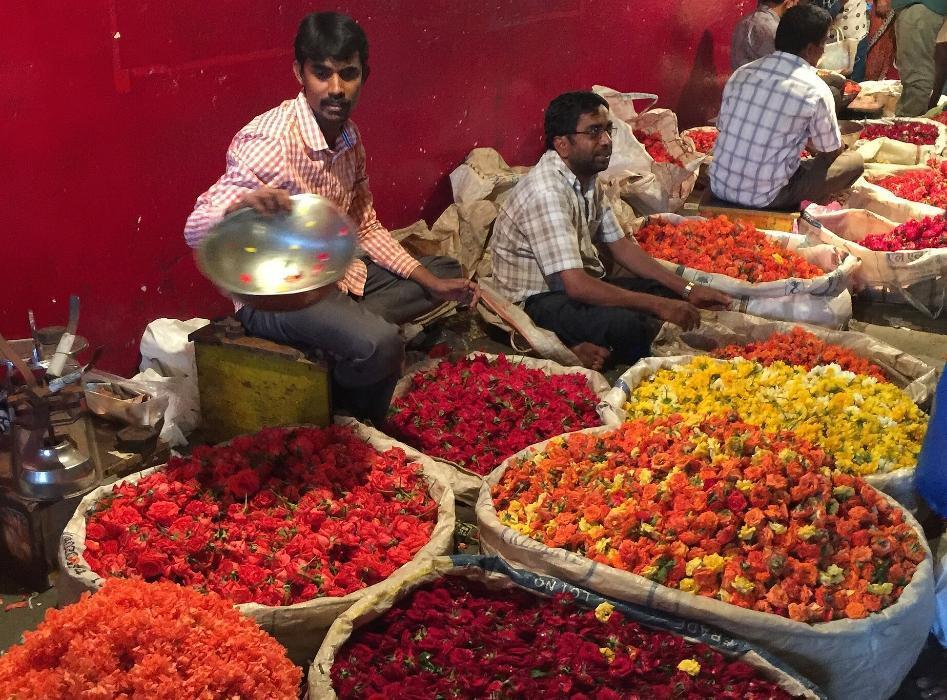
When you explore that area, notice that some vendors specialize in only that product. It might be flowers, coconuts, etc. Usually, those things are handed down through generations, filled with customs and blessings.
Midday: Heat, Hustle, and Street Food
By noon, the market reaches its busiest period. This is when everything is in full swing.
The environment feels warmer and the crowds start to thicken. Vendors call out daily prices in the local language. Children trail behind their parents, picking up snacks of their choice.
Street food takes over at this hour.
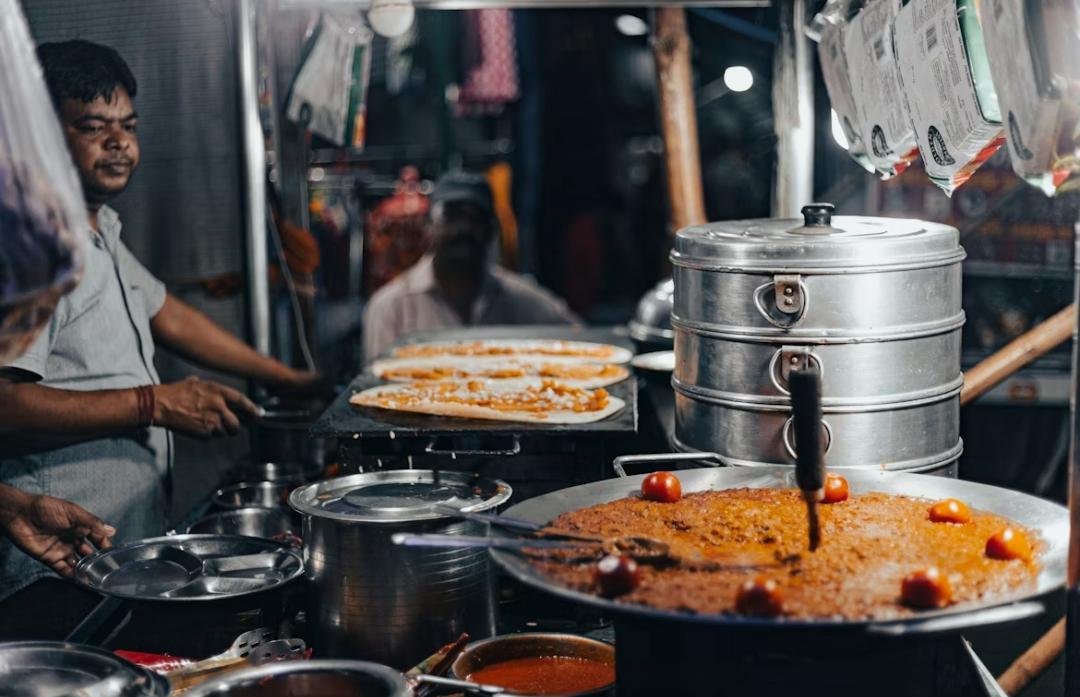
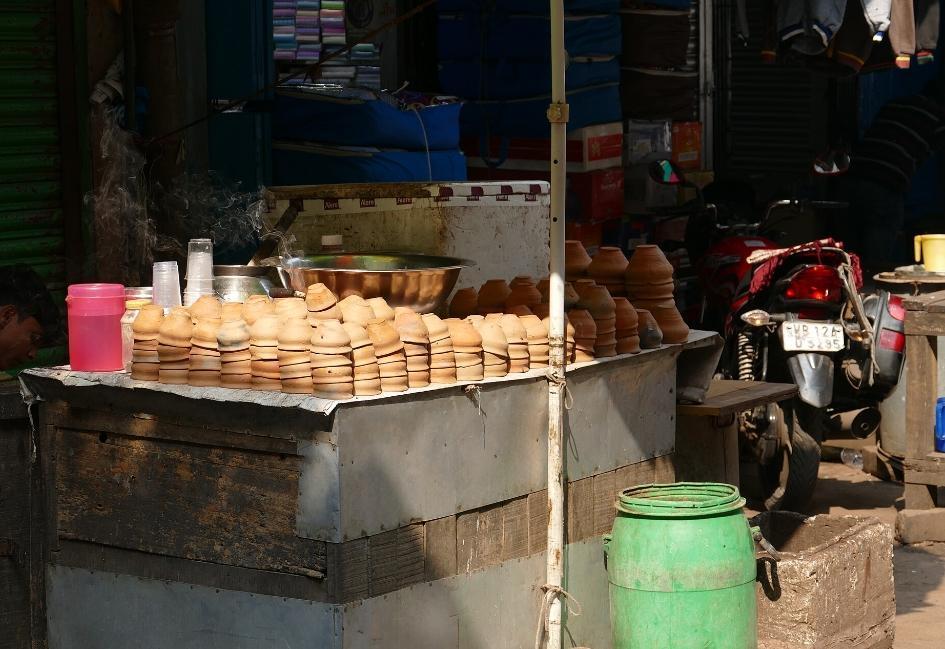
You’ll spot a man frying samosas (crispy triangular patties filled with spiced potatoes), or flipping dosas (thin crepes made from fermented rice batter). Plates of chaat, topped with yogurt, tangy tamarind sauce, and crunchy chickpeas. Chai, India’s beloved tea, is poured from steel kettles into small cups.
Eating here isn’t just about filling up. It’s about sharing space, trading smiles, and tasting recipes passed down through generations.
Afternoon: A Softer Pace
Everything gradually slows down during the early afternoon. The rush of morning fades, and in comes the quiet, calm pace of the market.
This is the time when shopkeepers take a break. Some shopkeepers return home for lunch, leaving helpers to manage the stalls. Some pull out folded sacks and lie down in the shade.
You’ll pass stalls selling bangles, scarves, brass lamps, and handmade sandals. Tailors sit behind old sewing machines, mending clothes with steady hands. Just a few steps away, flower sellers thread bright marigolds into garlands, ready for temples and weddings.
Evening: Lights, Laughter, and Last-Minute Shopping
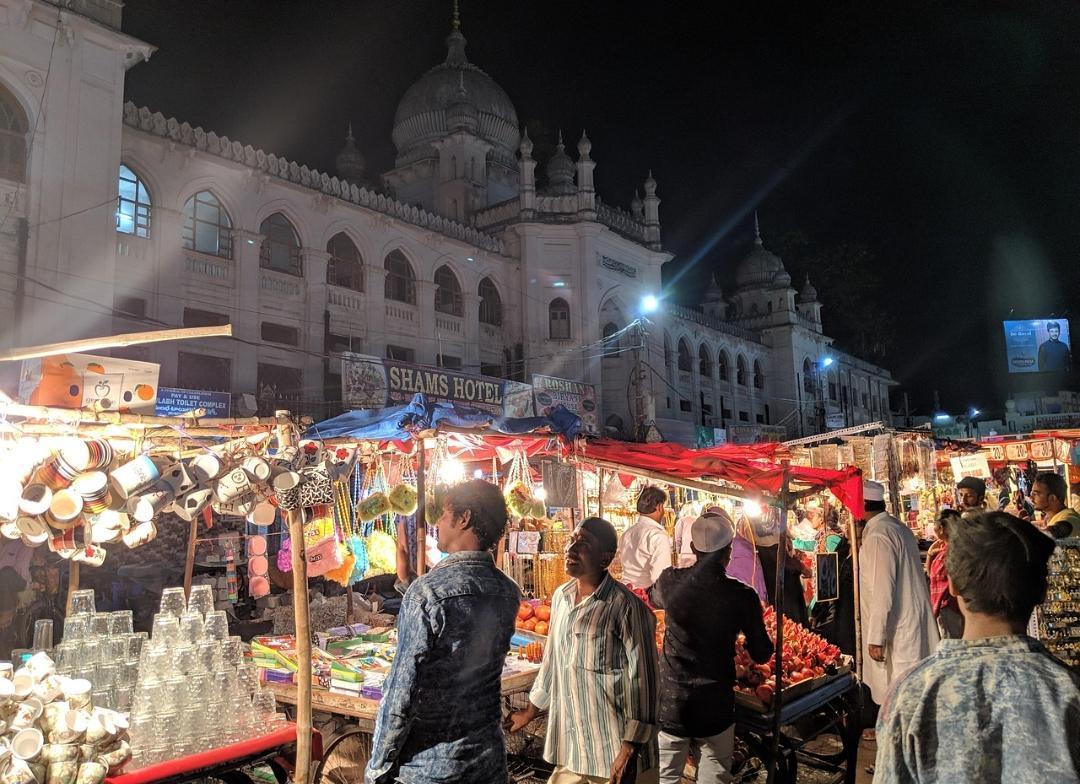
As evening approaches, the second wave of the market sets in. Many people and vehicles fill the lanes. After the quieter afternoon, the market becomes active again. The stall and store lights flicker on. Office-goers stop to buy vegetables on their way back. Families browse through one store and another. Young shoppers browse phone accessories, while older customers check supplies of lentils and spices.
The smells become more intense, with fragrances like grilled corn, roasted peanuts, and batter frying in hot oil.
This is the story across towns and cities each evening.
For visitors, this is often the most active hour. The streets remain active until late, shaped by movement, sound, and light.