On the cover: A woman wearing sari holding a rose by Arun
Let’s be honest — when you think of Indian fashion, the sari stands out. It isn’t just a garment. It’s a statement piece, always turning heads and never really out of style.
The sari’s roots?
We’re talking 2800 BCE. Back then women were wrapping themselves in sari-like cloth, lightweight cotton or silk, easy to wear, easy to move. Nothing showy. But things changed.
As dynasties shifted, so did the sari’s personality. Elite women started going all out to make the fabrics more colorful. When the Mughals arrived, fabrics got richer, colors deeper. The sari wasn’t just fashion anymore. It was resistance. Women wore it as a badge of pride, a political statement that said, “We’re not backing down.”
Cultural Significance
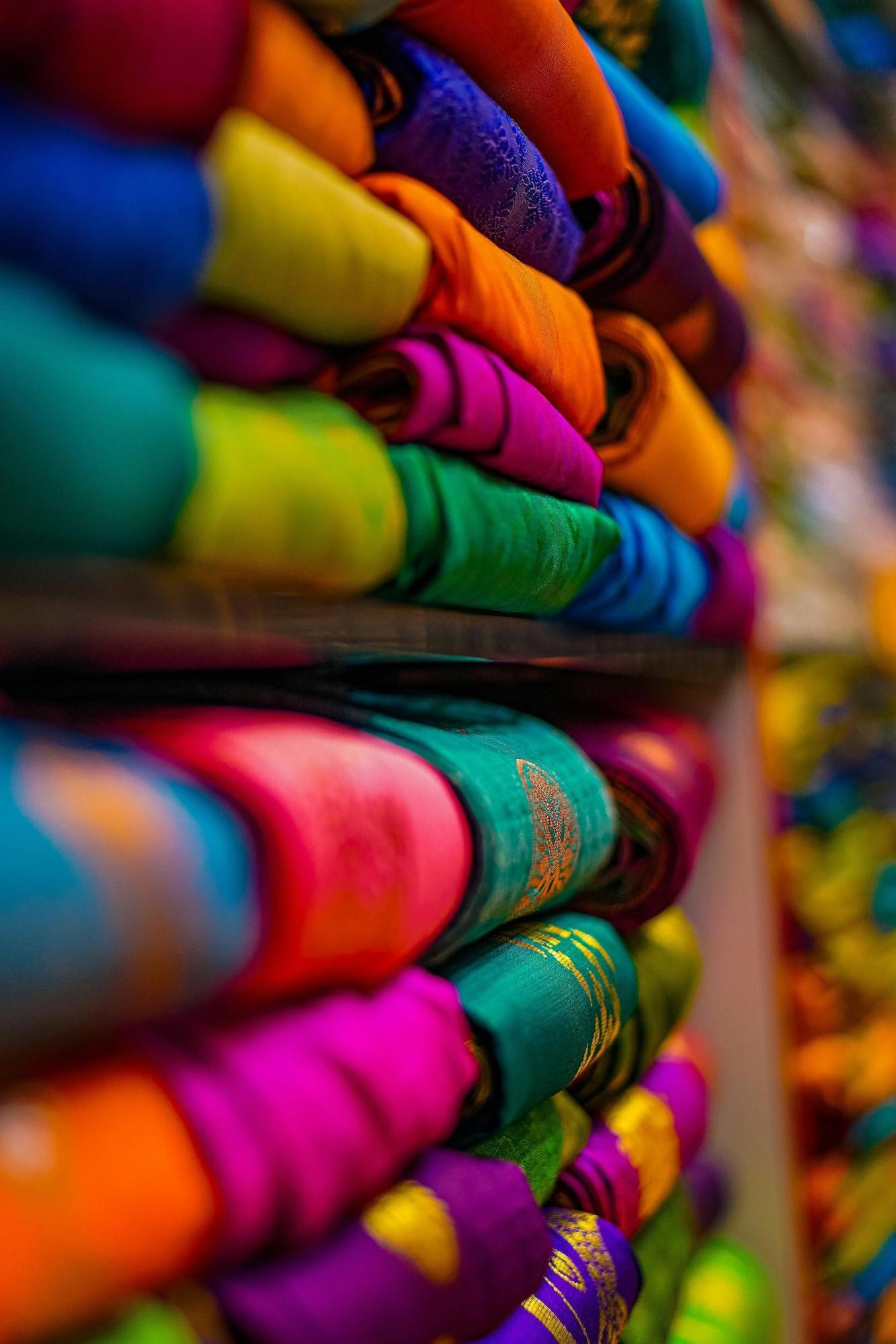
Here’s where it gets interesting. India has many types of saris. Each region has its own special style.
Want to look royal? Try the Kanjeevaram silk sari from Tamil Nadu.
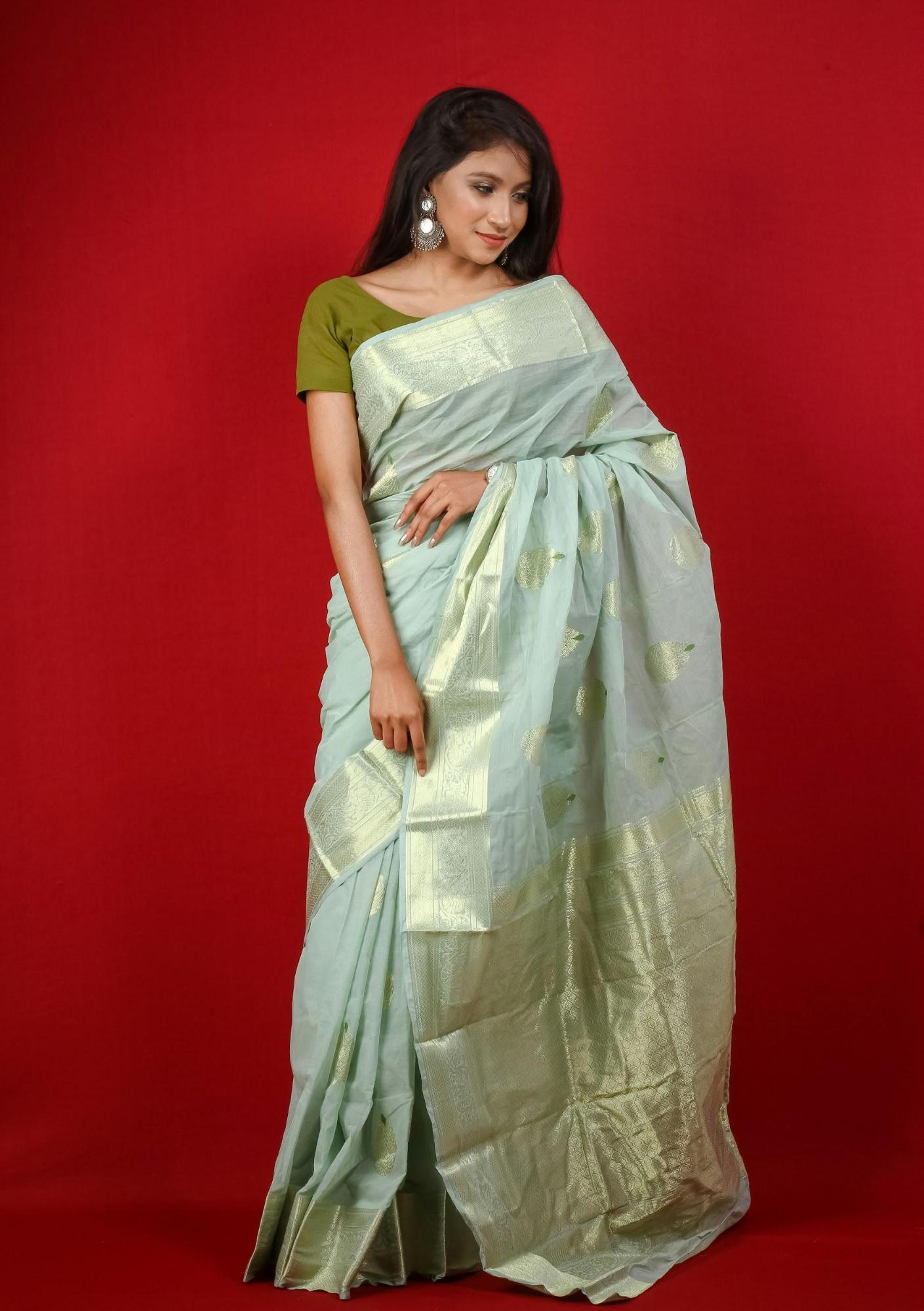
Want something classic? Banarasi saris are very elegant.
There are many ways to wear a sari too. You can wear it in a simple style or try something more modern and bold.
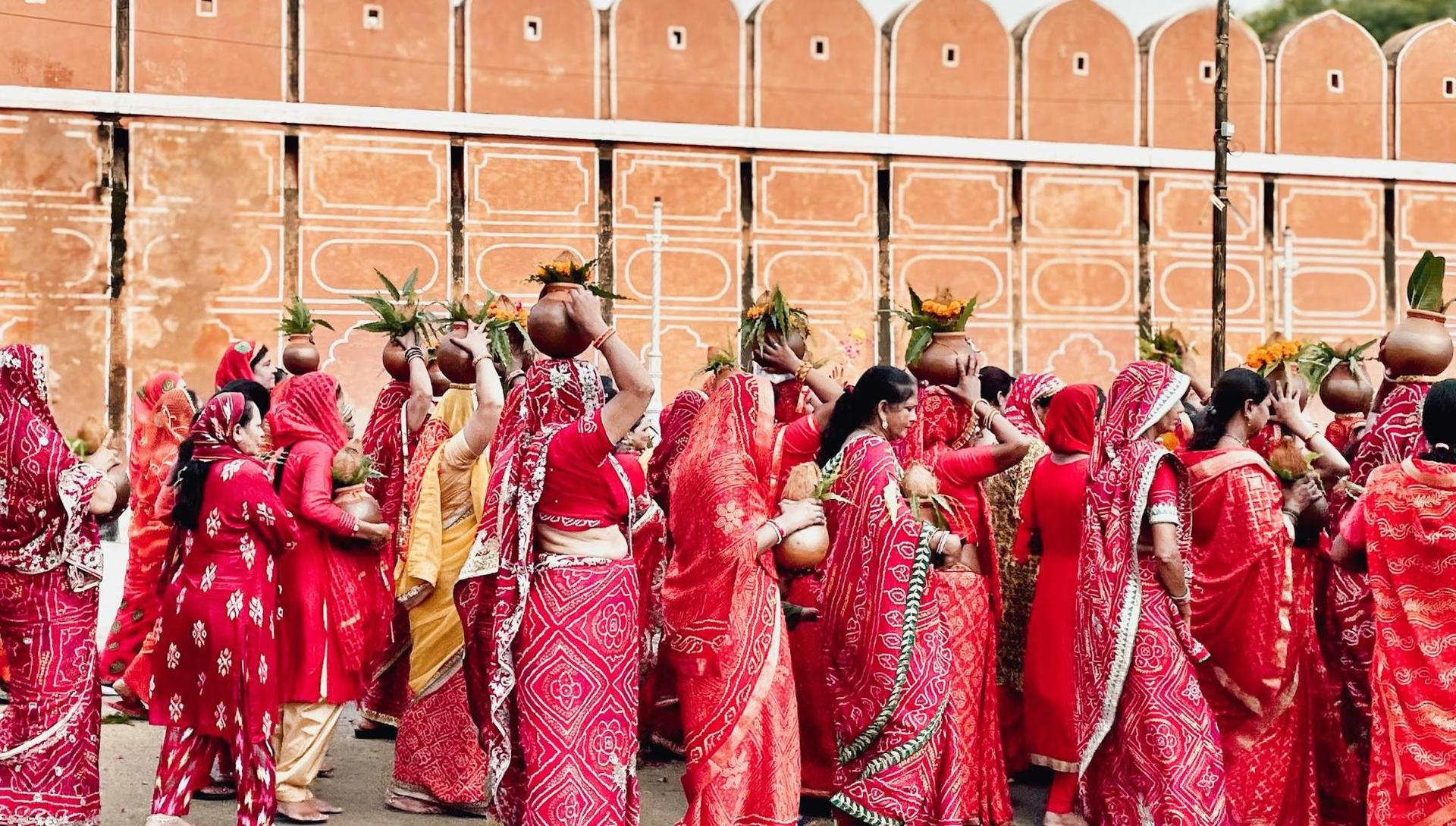
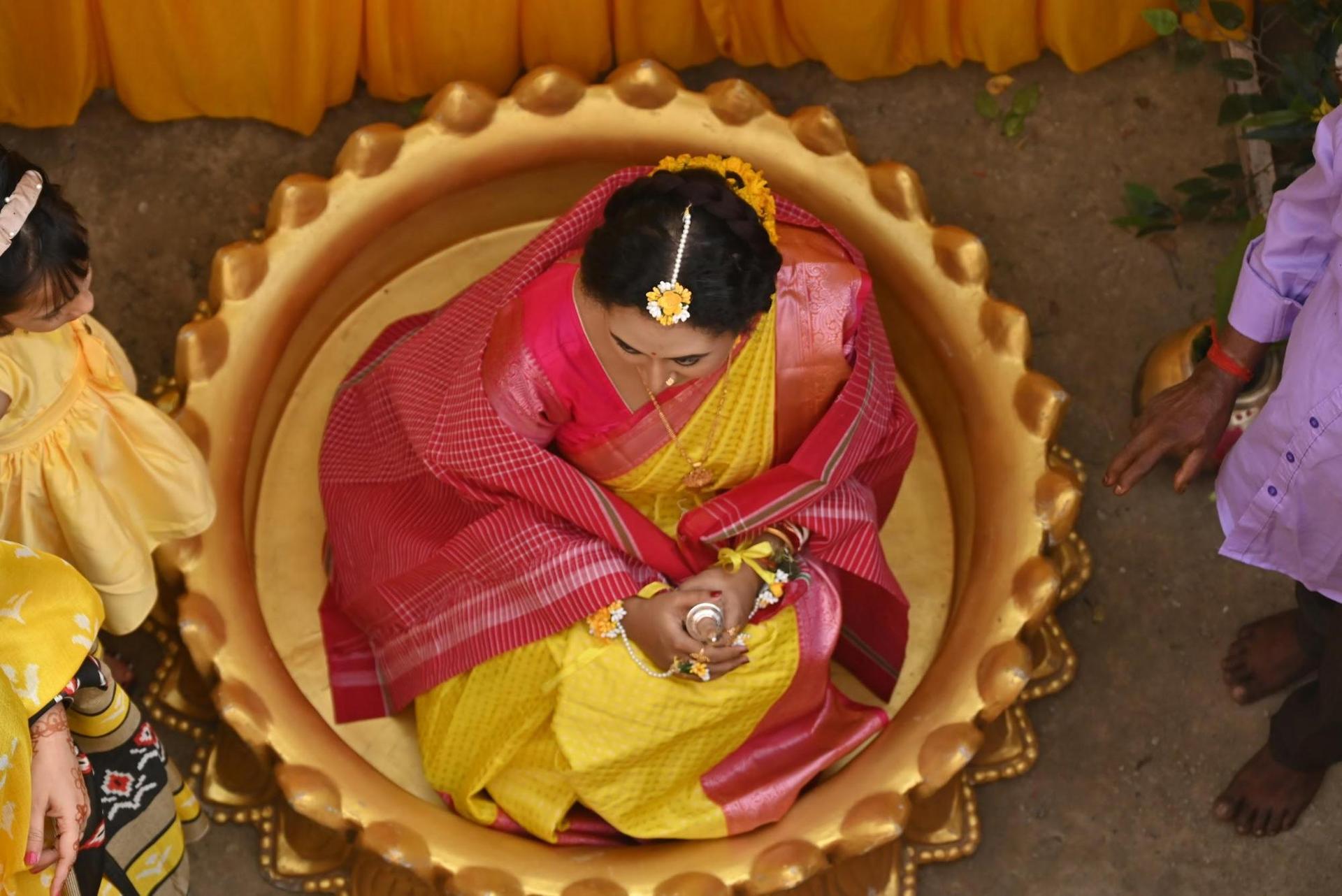
The color of the sari is also important. For example, red and gold are for weddings (they mean celebration and good luck), while white is for sad occasions like funerals.
Each color has its own meaning.
The Global Appeal
The sari's got global spotlight, celebrities wear it on red carpets, and now everyone loves it. Western designers are even borrowing sari inspiration for their collections — who wouldn't love that?
The sari's versatility is on point — it's perfect for weddings, parties, work. It's more than just a garment - it's tradition, comfort, and a statement wrapped in six yards.
Sustainable Fashion and the Sari
The sari is a good choice for the environment. Many Indian artisans still make saris using old, eco-friendly methods. When you buy these saris, you're helping to keep traditions alive and supporting fair fashion practices.
Saris are also super versatile and last a long time. Unlike fast fashion clothes that get worn out quickly, a good sari can be worn for years and even passed down to your kids. This fits with the idea of buying fewer, better clothes that don't harm the planet.
Bottom line:
The sari has been around for ages, surviving every fashion trend, and it's here to stay. It’s timeless, that’s not just iconic — it’s unstoppable.