
On the cover: Idol of goddess Durga by Goutam1962

Have you ever got the scent of a festival before you have seen a single sign of it? This happens, every autumn, in West Bengal. A refreshing chill spreads through the autumn air which carries the sweet aroma of blooming Shiuli (the Bengali name for the Jasmine flower that blooms at night) flowers lying on the damp grass. Then comes the rhythm of the dhak (the traditional South Asian drum) being played in the streets of Bengal. Then the happiness of the crowd makes the earth rumble with joy! Then the mustard oil is heated in a frying pan somewhere nearby. This is when you know that Durga Puja has arrived. You can walk through half of the festival with your eyes closed and still know exactly where you are!
The Smell of The Autumn Festival
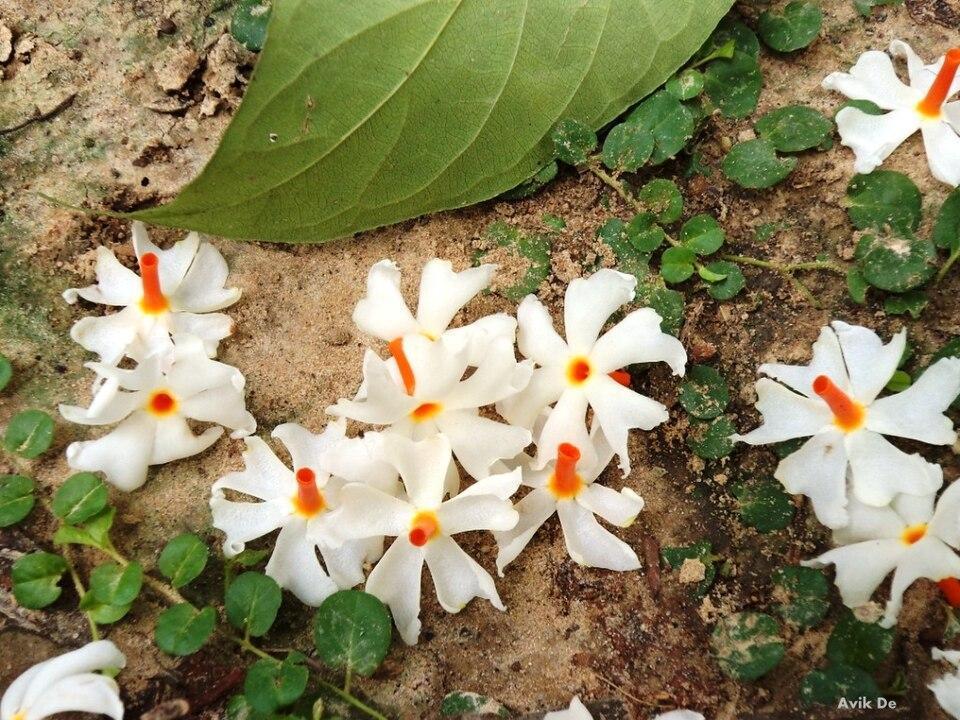
Bengal has its own inklings for Durga Puja and it is not a circle on the calendar; it's Shiuli flowers carpeting entire lawns in white and orange before anyone is awake to see it happen. It's Kash (kans grass flower) flowers swaying with the wind alongside river banks and roadside ditches. All announcing nothing except that the festival is close. If autumn back home smells like woodsmoke and cut grass, this is the Bengali version; a whole season change could be caught with your nose before your eyes even confirm it.
The Sound Before You See Anything
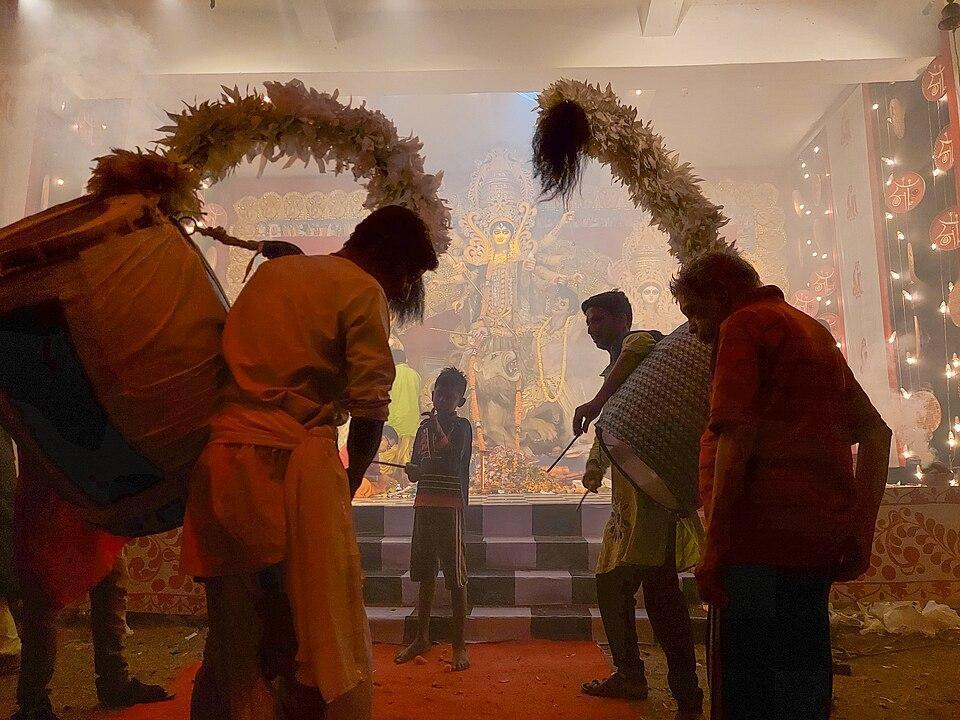
The dhak is Durga Puja’s actual soundtrack. Walk any neighbourhood during the festival and you will catch three or four performances at once, playing a rhythm that feels less rehearsed than remembered. Somewhere a loud speaker wakes to life with festival announcements and when you reach closer to the community kitchens you will hear steel spoons meeting steel plates; the sound of bhog (the sacred food offered to a deity during a ritual) being prepared. The communal meal that is served to anyone hungry with no question asked.
Pandal Hoping After Dark

This is where Durga Puja turns into an art biennale. Every neighbourhood hires its own artists and craftsmen months in advance and each pandal that is built becomes a fully realised installation of an imagined theme: one street might rebuild a Rajasthani fort out of bamboo and cloth, the next might turn recycled plastic into a commentary on climate change and another might build a Parisian courtyard down to the cobblestones; all built from complete scratch and dismantled within a week of the festival ending. Committees of the neighborhood compete with each other, quietly but seriously, for the most talked about theme of the year. Bengal's most respected sculptures and set designers spend their entire calendar working towards these five days. Walking from one pandal to the next starts to feel less like sightseeing and more like moving through an open air biennale. You would find yourself walking with a river of people, all in the festive mood, trading opinions on which pandal nailed its theme and which one overreached. Warm October evenings filled with the fresh scent of damp Earth and an energy that is contagious. Kids on the shoulders of their fathers. A stranger handing a packet of lukewarm Frooti (mango drink). Essentially, you will need decent footwear and no plans for the next day.
Midnight Food Made On The Streets
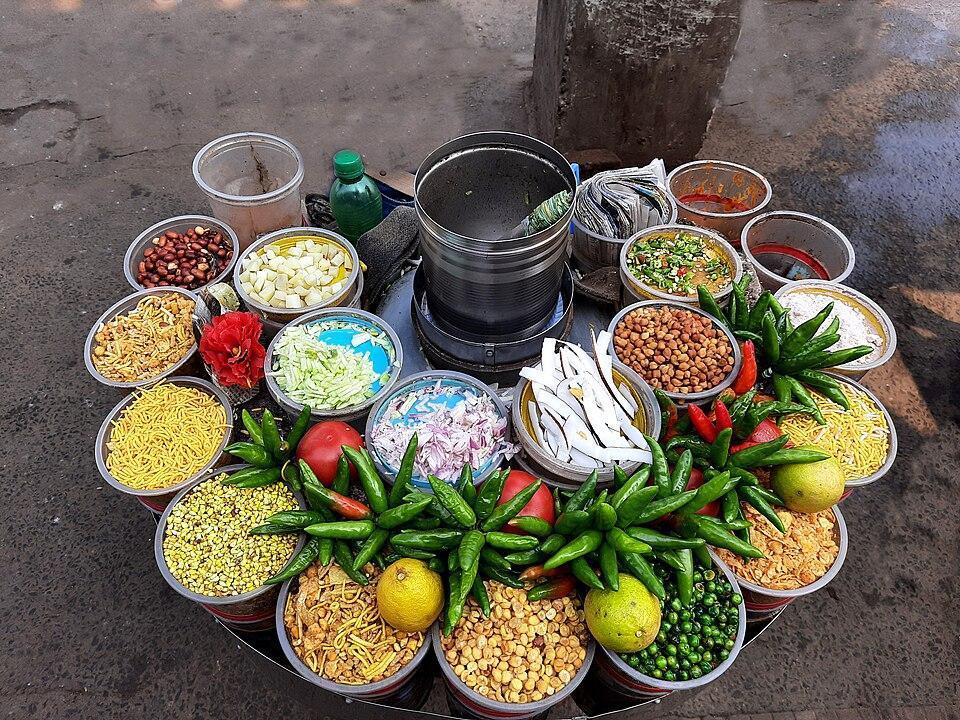
Puja nights run late and the food keeps pace with the crowd. The roads that have been closed for the festival are filled with stalls that are selling Mughlai porota (pan-fried flatbread) and egg rolls, both of which should be eaten at two in the morning from the paper in which they were wrapped. In the streets located just behind the main roads, temporary kitchens prepare luchis (fried bread) which is so tasty that it will make you come to them only from its smell. If you don’t want to stop to eat then you can buy jhalmuri (puffed rice mixed with mustard oil and vegetables) served in the cone made of a page of yesterday's newspaper.
A Neighbourhood Rearranged
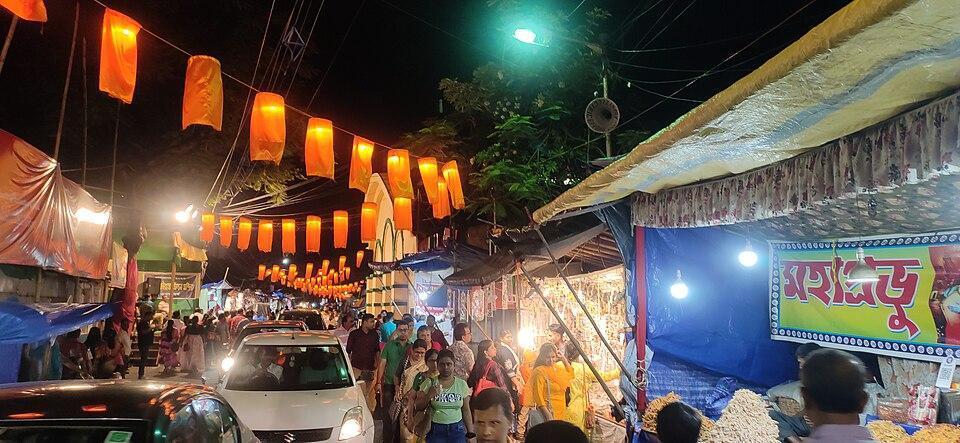
What sets Durga Puja apart from a staged event is its true community spirit, dissolving city borders to create one unified neighbourhood for five days. The same street that's usually dark and dull, turns into a stage, a kitchen, a place lined with pop-up stalls; all at once. Strings of tubelight glow under bamboo ceilings, catching the shine on a sweat beaded forehead. A mother is seen peacefully holding her little child with one arm while purchasing a saree for herself. Old friends cross paths unexpectedly in the crowded bazaar, picking up exactly where they left off. None of the above is staged for a tourist. It's simply what happens when an entire community decides, together, to throw open its doors and celebrate as one.
Dashami: The Quiet End
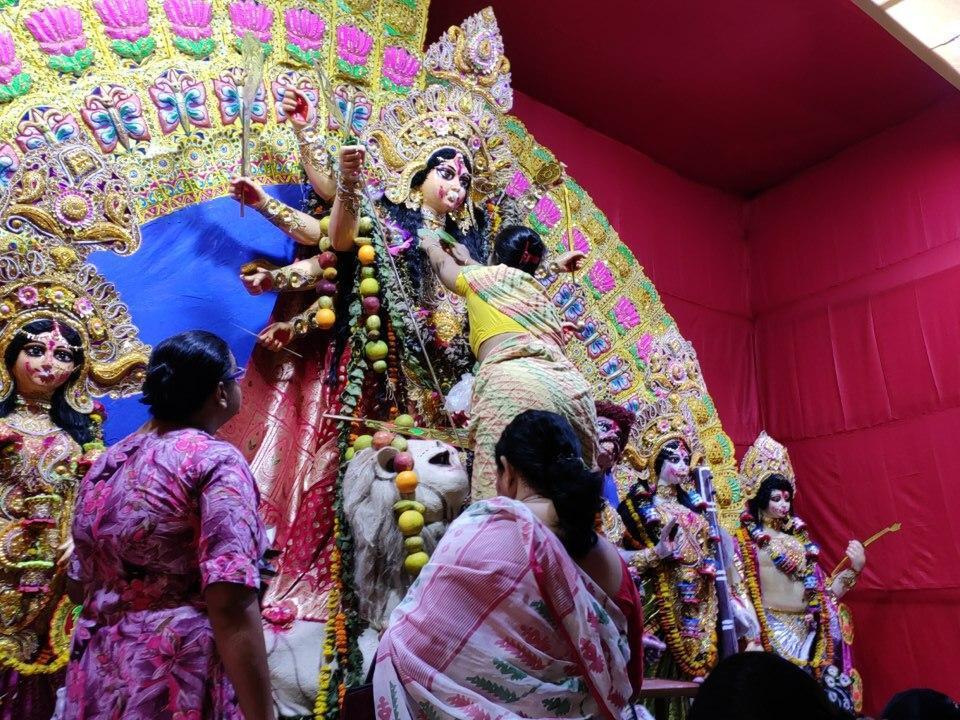
By Dashami (tenth lunar day in the Hindu calendar), the festival’s final day, the mood softens into something gentler. It's the day the goddess’s idol is carried to the river for immersion. However, in the morning, before the goodbye, women engage in a ritual called Sindur Khela (a joyful Bengali Hindu tradition celebrated on the final day of Durga Puja). This is where married women smear sindoor ( vermilion powder) on the goddess and each other to pray for longevity and sisterhood. The air carries the smell of marigold petals being swept from the pavement as the last trace of five days that turned an entire city into one shared celebration. It's less of an ending than a promise that there's always next year.
Understanding every ritual of Durga Puja is not necessary to experience the joy of the festival. All you require is to be at the right place at the right time, breathe in the fragrance of mustard oil and Shiuli together, enjoy the drumming of dhak and just go along with the people around you.