
On the cover: Tea Estate of Darjeeling by Pinki_Ishan
As the plains start to burn, don't the mountains begin to call a little louder? Of course, yes. So why not plan a trip to Darjeeling? To help you out, Anaveda covers everything you need to know right here.
Darjeeling is actually a tiny mountainous location in the Eastern Himalayas of India. And you know what? People even call it the ‘Queen of Hills’ because of its beauty and elevation of around 2000 meters. From here, you can get a breathtaking view of the snow-covered peak of [1], the third-highest peak in the world.
Another interesting fact about Darjeeling is that its presence and essence have found a place in the film [2]. Much like the film’s emotional and reflective journey through India, Darjeeling invites you to take a moment to reconnect with nature, with people, and perhaps with yourself, as that is what we need the most in this 21st century.
Read on and keep unfurling your curiosity about Darjeeling’s culture, its people, weather, and one of the most iconic sites, the [3].
Do You Know Where Darjeeling Is?
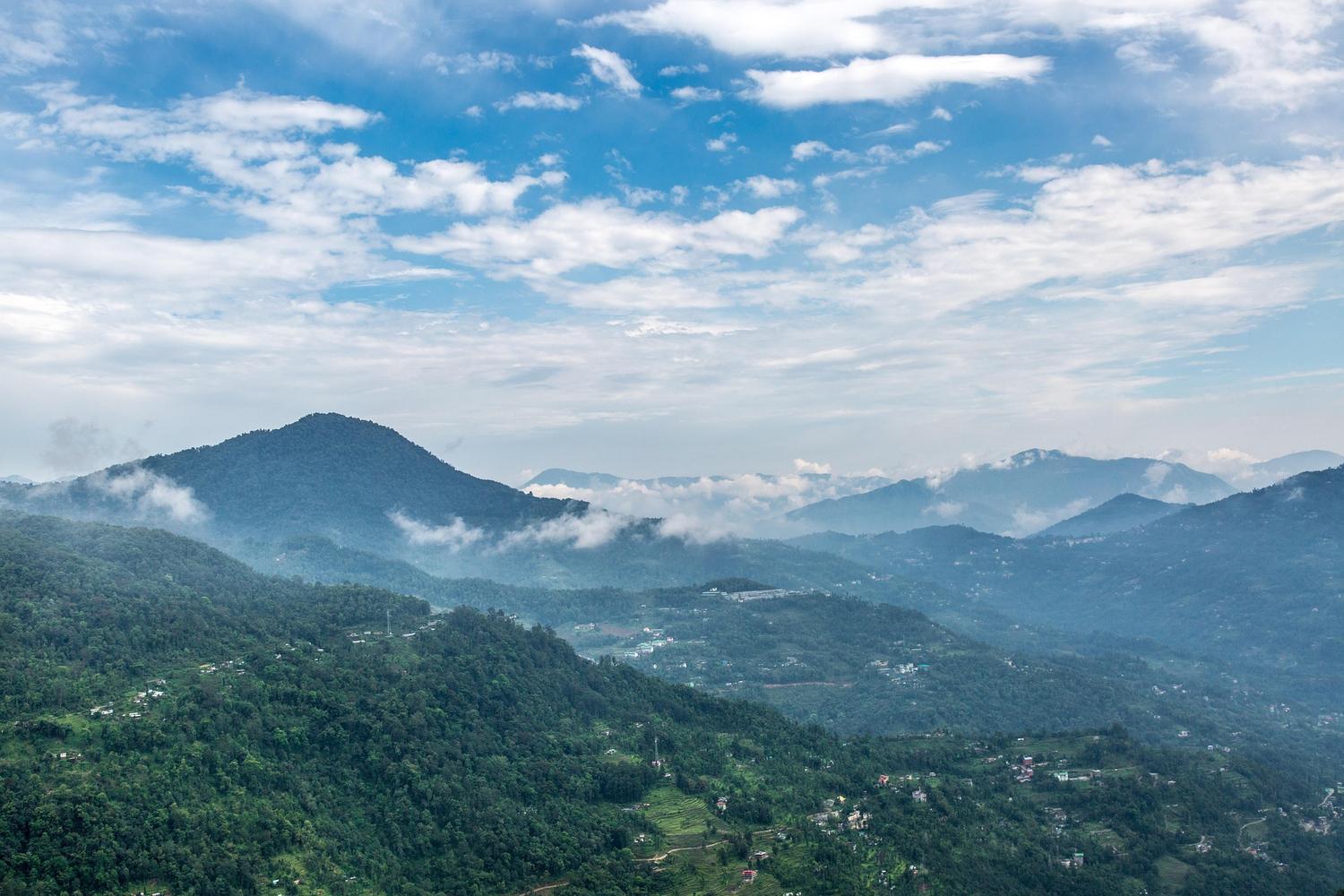
If not, let me fill you in. Darjeeling is located in the state of West Bengal. And you would be amazed to hear that West Bengal is a land of contrasts, where some of the hottest and coolest cities in the world are found, and where both hills and plains are featured. Darjeeling, for instance, is a hilly region with steep slopes and rugged terrains, while Kolkata, the capital of Bengal, is mostly plain.
There is something unique about the steep slopes of Darjeeling. These slopes cater to the livelihood of the thousands of people, making Darjeeling a lively and prosperous town to live in, or maybe for you to visit at least once.
Weather and Best Time to Visit
With so much to offer, we can definitely say that visiting Darjeeling is on many of our bucket lists. However, to make a foolproof plan, knowing the weather is the key. So, here it is, for you to read through.
Summer (from April to June) -
These months witness a mild and refreshing season in Darjeeling. It is definitely a type of weather all of us crave. Temperatures rarely rise above 25 °C or fall below 10 degrees. If you would like to wander and explore the nitty-gritty of the place, then believe me, there is no better season than this one.
Monsoon (from July to September) -
Next season is expected to be one of heavy rainfall — beneficial for biodiversity and lush green hills, but not ideal for travelers. Bad weather, frequent landslides, and cloudbursts make it an unreliable time to visit Darjeeling.
Winter (from October to February) -
Then at the end of the year, we see winters in Darjeeling. Winters here are marked by dense fog and chilly weather, because why not? It is a mountain after all! At times, temperatures slip close to freezing, turning the sky silver, beautifully. Hence, it is definitely one of the best times to visit Darjeeling, as in this stillness lies a rare kind of peace — fewer crowds, hushed streets, and moments that feel almost untouched by time.
Top Places to Visit
Tiger Hill
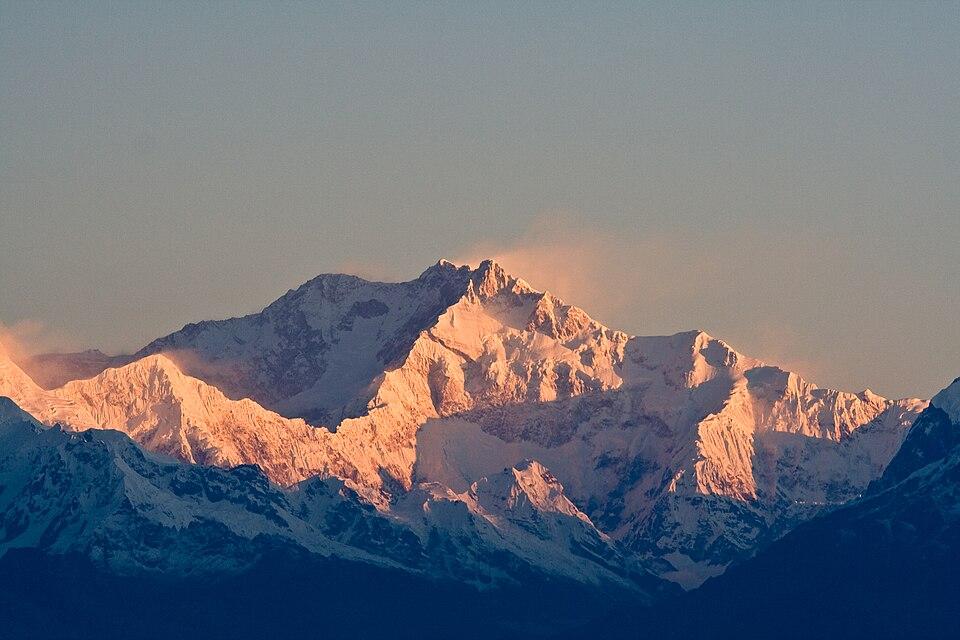
Once you have decided to travel and set your dates, let’s take a look at the best places to visit in Darjeeling. First up is Tiger Hill, a hill with a brilliant view of the Kanchenjunga; you can see the same in the picture above. Trust me, you wouldn’t want to miss this magical view, so make sure to reach the hill before sunrise.
Darjeeling Himalayan Railways
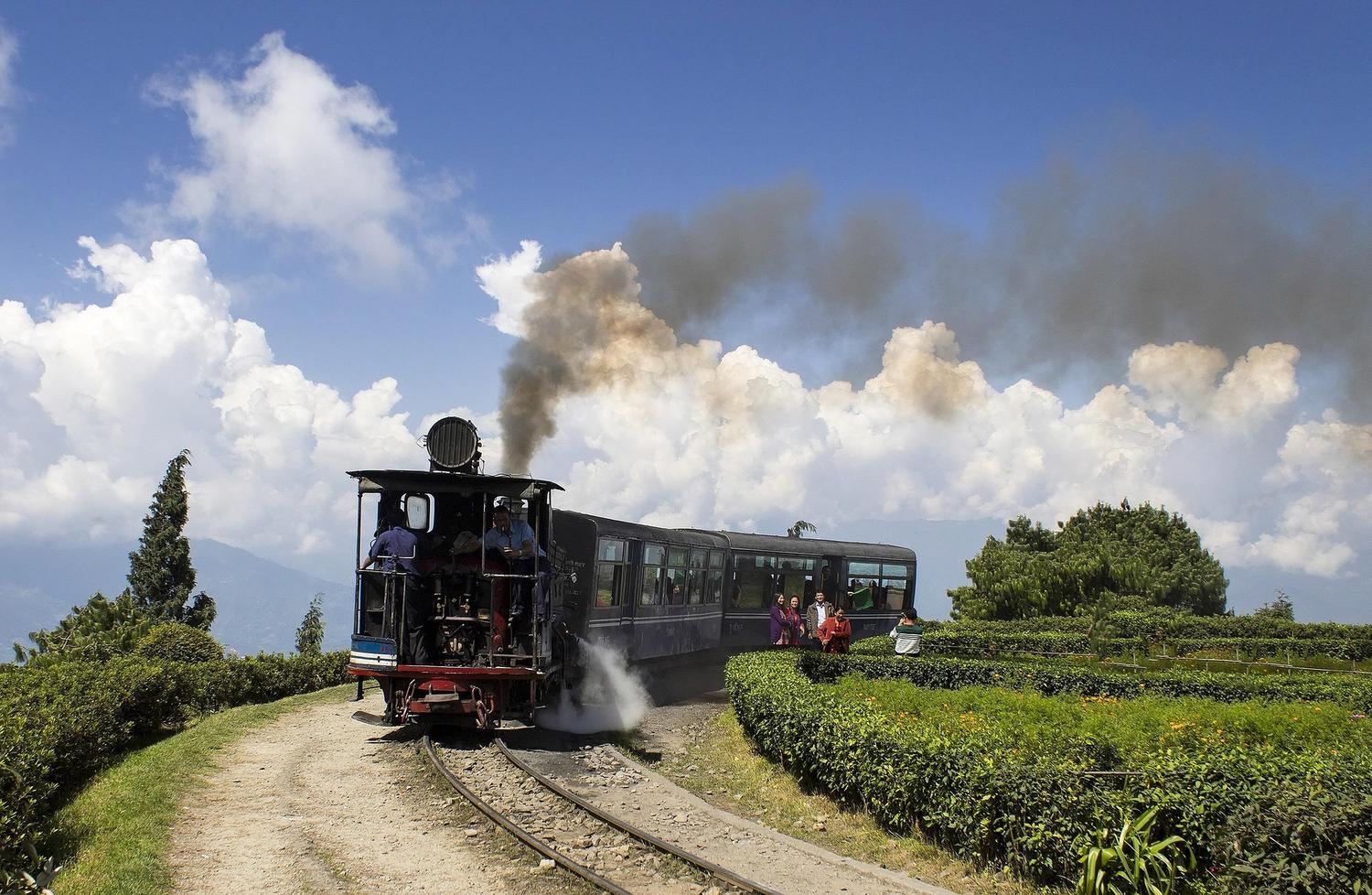
Moving to another incredible site in Darjeeling, the “toy train”, a UNESCO World Heritage Site. Quick fun fact: such sites are mainly recognised for their historical, cultural, spiritual, and engineering significance. So what earned the Darjeeling Himalayan Railway this title? It's engineering marvels, like the narrow gauge it runs on, and the loops and zigzag tracks, which help it navigate the steep, winding terrain of the hills.
Monasteries
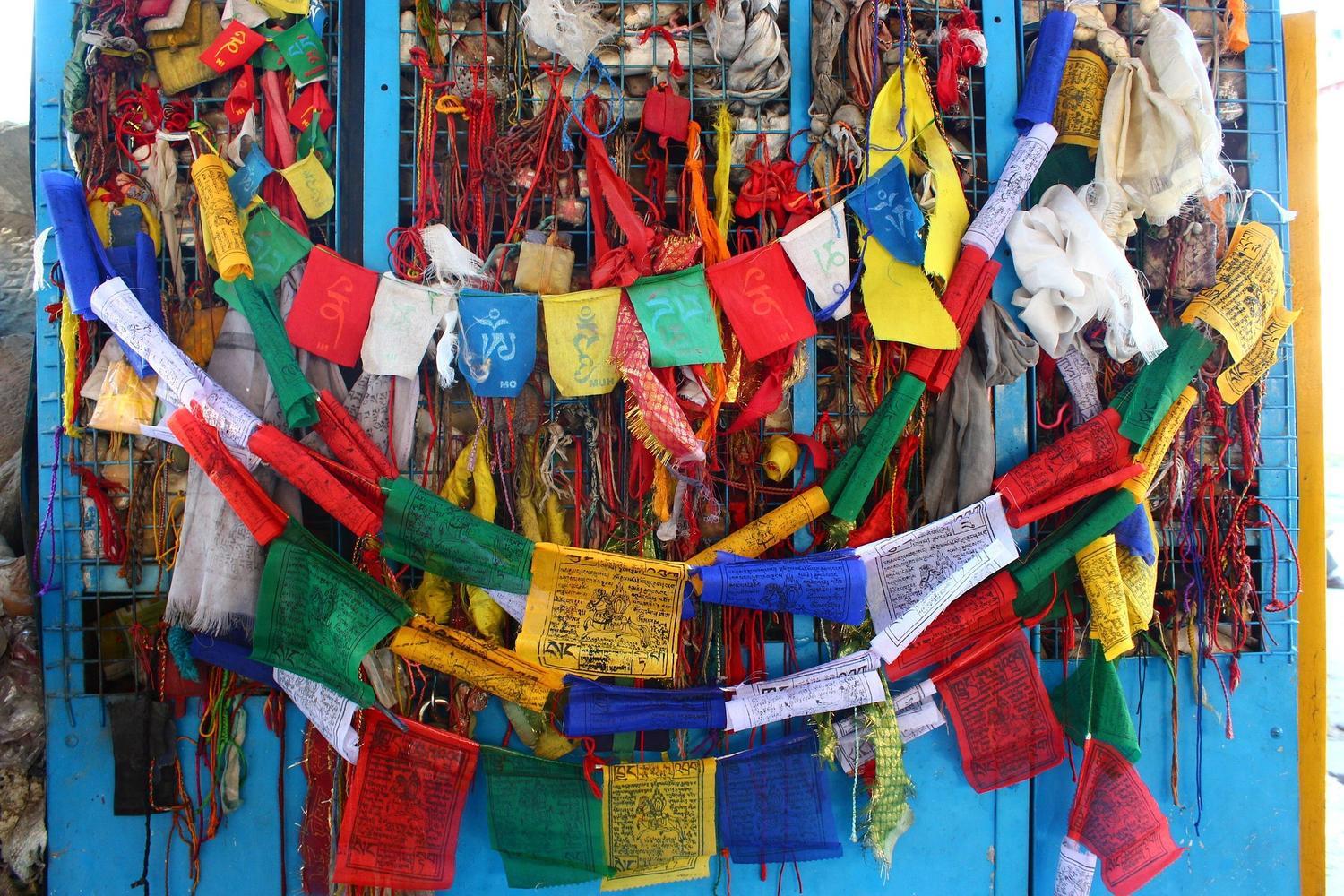
After all the adventurous spots we covered, let’s also have a look at a site that caters to our hearts and minds. It is the Ghoom Monastery, also known as Yiga Choeling Monastery, which is a place of worship for Tibetan Buddhists. And you don’t have to be religious to visit this site, you know, because all that it offers is peace and rest to our souls, which is way beyond all other kinds of pleasures and experiences.
Tea, and the Tea Gardens
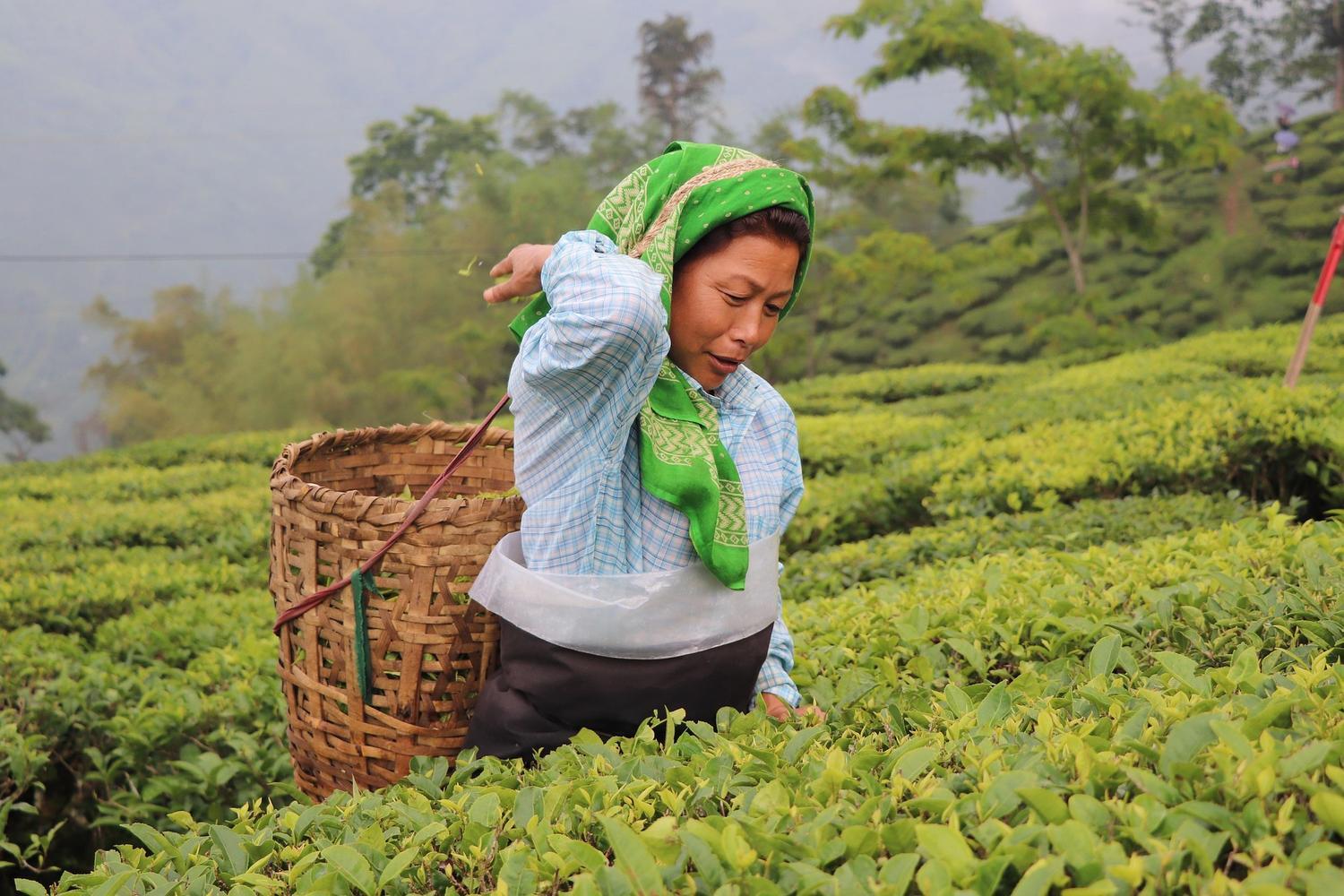
We may talk about as many sites as we want, but Darjeeling will always remain incomplete without mentioning its [4]. From the history books to the internet and social media, everywhere, the Darjeeling tea is profoundly called the “Champagne of Teas”, and for a good reason, because everything you could want in a cup of tea is actually found naturally in Darjeeling tea, from aroma to delicate flavor.
And it’s not just the tea, but the entire process of growing and harvesting tea leaves is a beautiful process. To experience it firsthand, you must explore estates like Happy Valley, where you learn about the tea-making process while enjoying fresh brews in scenic surroundings.
Cultural Life
Okay, now enough of the sightseeing, why not learn something about the local life in Darjeeling? Technically, local life here is more or less influenced by the difficult terrains and harsh climatic conditions. Geographical isolation, a less mechanised lifestyle, indigenous culture, and a traditional way of living are some of its forms. All this makes for a rich and unique local culture and traditions. For instance, there is still a mix of indigenous tribes here, such as Gorkhas, Lepchas, and Tibetans. All of these tribes contribute to different ways of everyday life — from languages to food, clothing, and festivals. Let me explain this to you with some examples.
Languages
A mix of Nepali, Hindi, Bengali, and Tibetan languages is spoken here. You see, different languages, different origins, yet all found in one place among the same people!
Food
Ah, yeah, food, one thing no one says no to. And luckily, I have some great news for you. Here you can find lots of delicious dishes, such as —
Momos
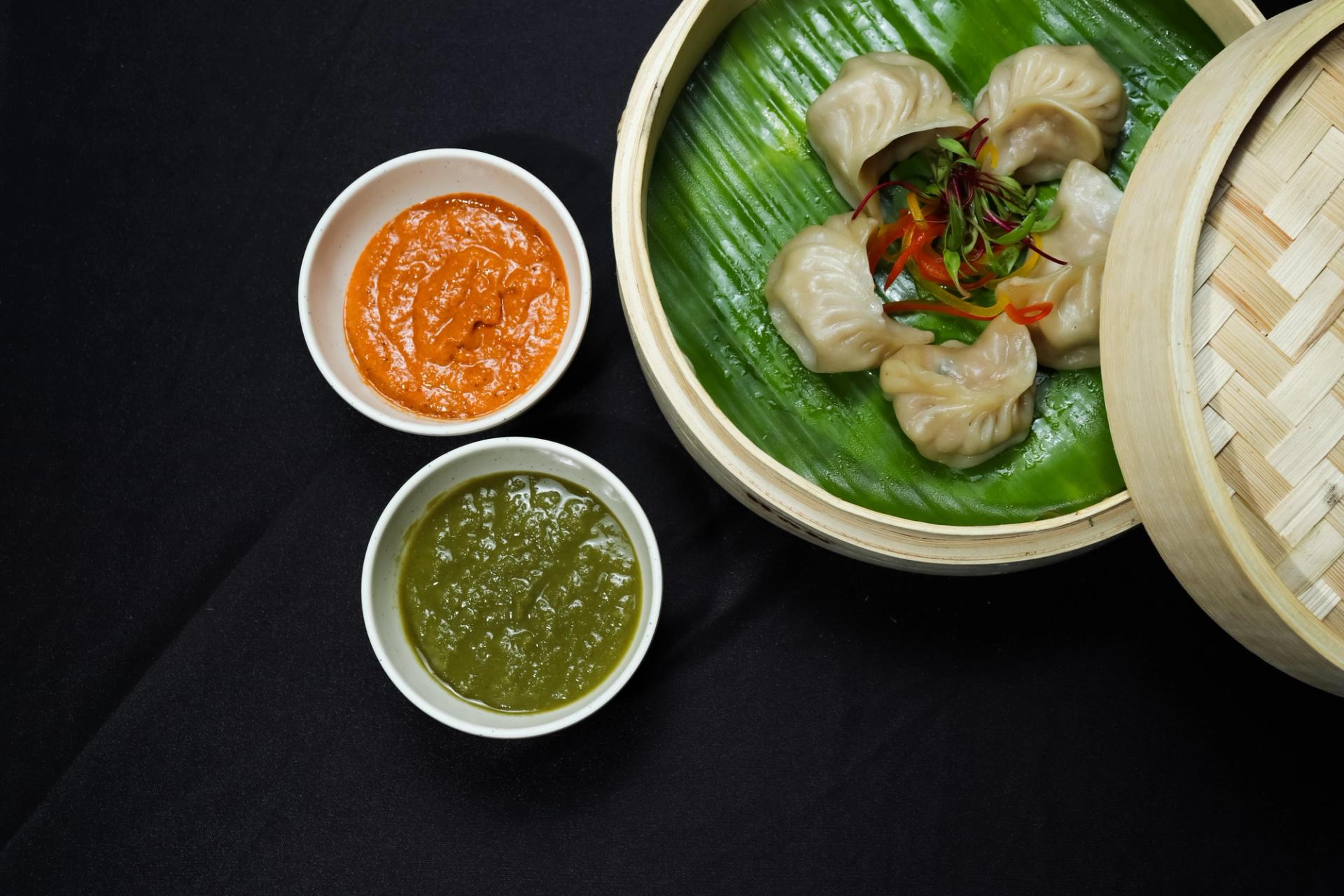
These are steamed dumplings that are very popular in Darjeeling and even in the rest of India. Originally a part of Tibetan cuisine, they are characterised by —
Soft outer layer made of flour
Filled with vegetables, chicken, or meat
Usually served with spicy chutney
Thukpa (noodle soup)
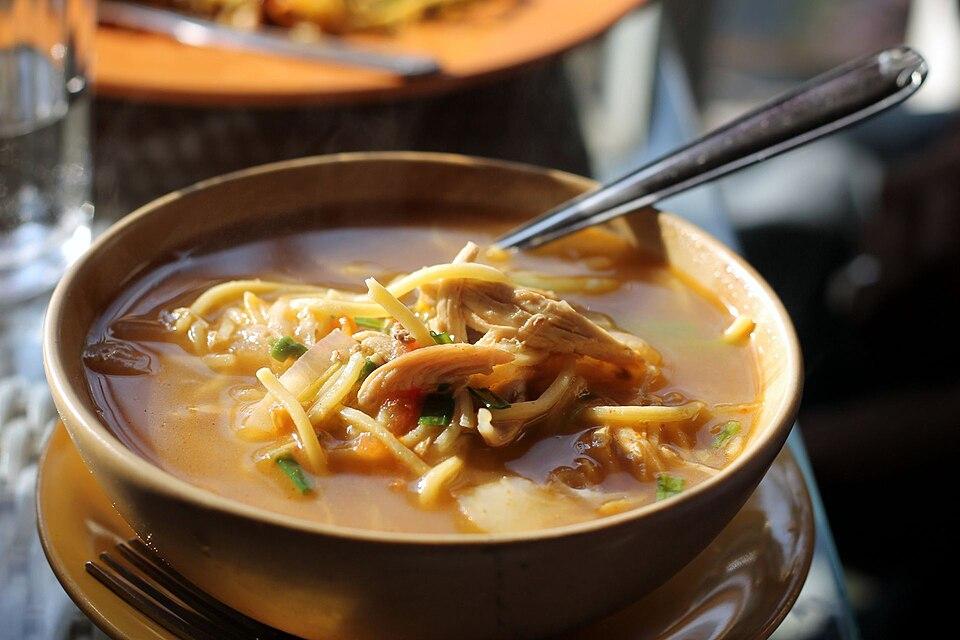
This is another beloved delicacy of Darjeeling. It became famous in Darjeeling and the nearby regions after originating in Tibet. It is a hot noodle soup and
Contains noodles, vegetables, and sometimes meat
Warm, filling, and comforting
Clothing
Gorkha Attire
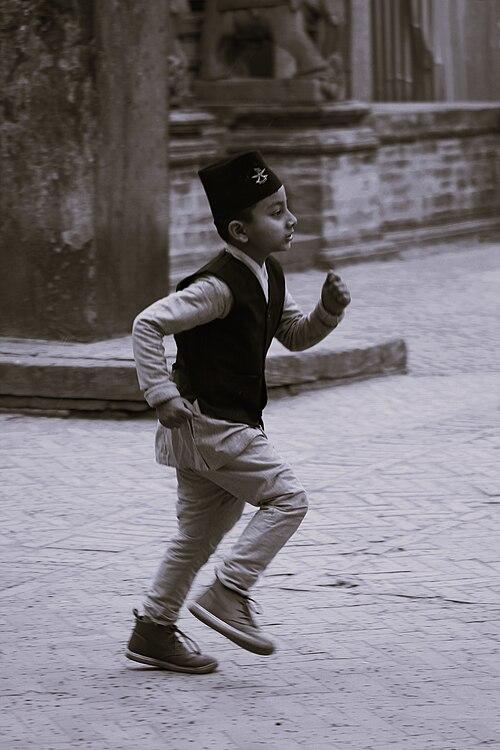
The Gorkha community has its own traditional dress style where:
Men wear Daura Suruwal (a traditional Nepali outfit) with a cap called Dhaka topi, and
Women wear a Gunyu Cholo or a saree with simple jewellery
Tibetan Robes
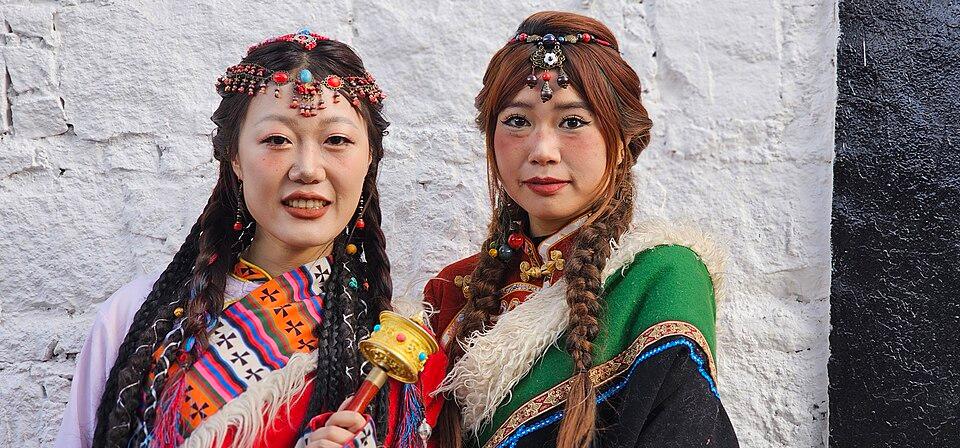
These are influenced by Tibetan culture:
Here, people wear long woollen robes called Chupa
These are made of thick fabric to protect from the cold
And are often paired with boots and warm accessories
Cinematic Connection
We’re almost at the end of this article, and by now, you must have a fair idea of what Darjeeling looks like, what it offers, and the people and culture that give life to these hills. Overall, the atmosphere of Darjeeling encourages pause, reflection, and emotional connection — something that can only be truly felt when you experience the hills in person. However, if you wish to understand this feeling even before visiting, there is another beautiful way to experience it: by watching The Darjeeling Limited. Through its thoughtful storytelling and reflective journey, the film presents an experience that feels slow, emotional, and deeply introspective — much like a real journey through Darjeeling itself. The cast, including Owen Wilson, Adrien Brody, and Jason Schwartzman, beautifully captures the idea that sometimes the journey matters far more than the destination.
At the end, you should just close your eyes and visualize Darjeeling by sitting in a calm place soon after reading this article. And I’m sure the next steps shall look like packing your bags, booking your tickets, or maybe just sharing everything you learnt here with your near and dear ones.
FAQs
Q1. What state is Darjeeling in?
Ans. West Bengal, which is a part of eastern India.
Q2. You know what the movie Darjeeling Limited is about, and how it relates to Darjeeling?
Ans. The Darjeeling Limited is a movie that follows three brothers on a trip to reconnect with each other in peace, especially while away from the city lights. Their story actually relates to the atmosphere of Darjeeling, the peace and serendipity it showers upon the visitors, which is what has been shown in the movie in the form of a long train journey. It is something that even we will experience if we visit Darjeeling.
Q3. Which values can be learned by visiting Darjeeling?
Ans. Darjeeling is a cradle of values. From its people, we can learn the value of conservation, of both natural and cultural heritage. From its mountains, we can learn the value of standing firm even in the harshest of conditions. And finally, from its nature, we can learn the value of calmness and tranquility.
Q4. What are the other places to visit in Darjeeling apart from the famous viewpoints?
Ans. Beyond its famous viewpoints and tea gardens, Darjeeling offers several other attractions worth exploring, such as Padmaja Naidu Himalayan Zoological Park, Chowrasta Mall, Rock Garden, and Lamahatta Eco Park, each adding its own charm to the overall Darjeeling experience.
Q5. Illustrate all the possible reasons for the cast of The Darjeeling Limited to be part of this film?
Ans. The cast of The Darjeeling Limited may have chosen to be a part of the film for several reasons. Professional factors such as career growth, recognition, creative satisfaction, and the popularity associated with working on an internationally acclaimed project could certainly have played a role. However, beyond these practical motivations, the film’s unique storyline and emotional depth were likely equally important.