
The first thing you notice upon entering the Red Fort is its incredible architecture. Massive red sandstone walls stretch to the horizon, holding centuries of decisions and ceremonies. It stands as one of India’s defining historical landmarks, showcasing how authority, culture, and the concept of the nation evolved side by side within these walls.
Where Authority Could Be Heard by the Masses
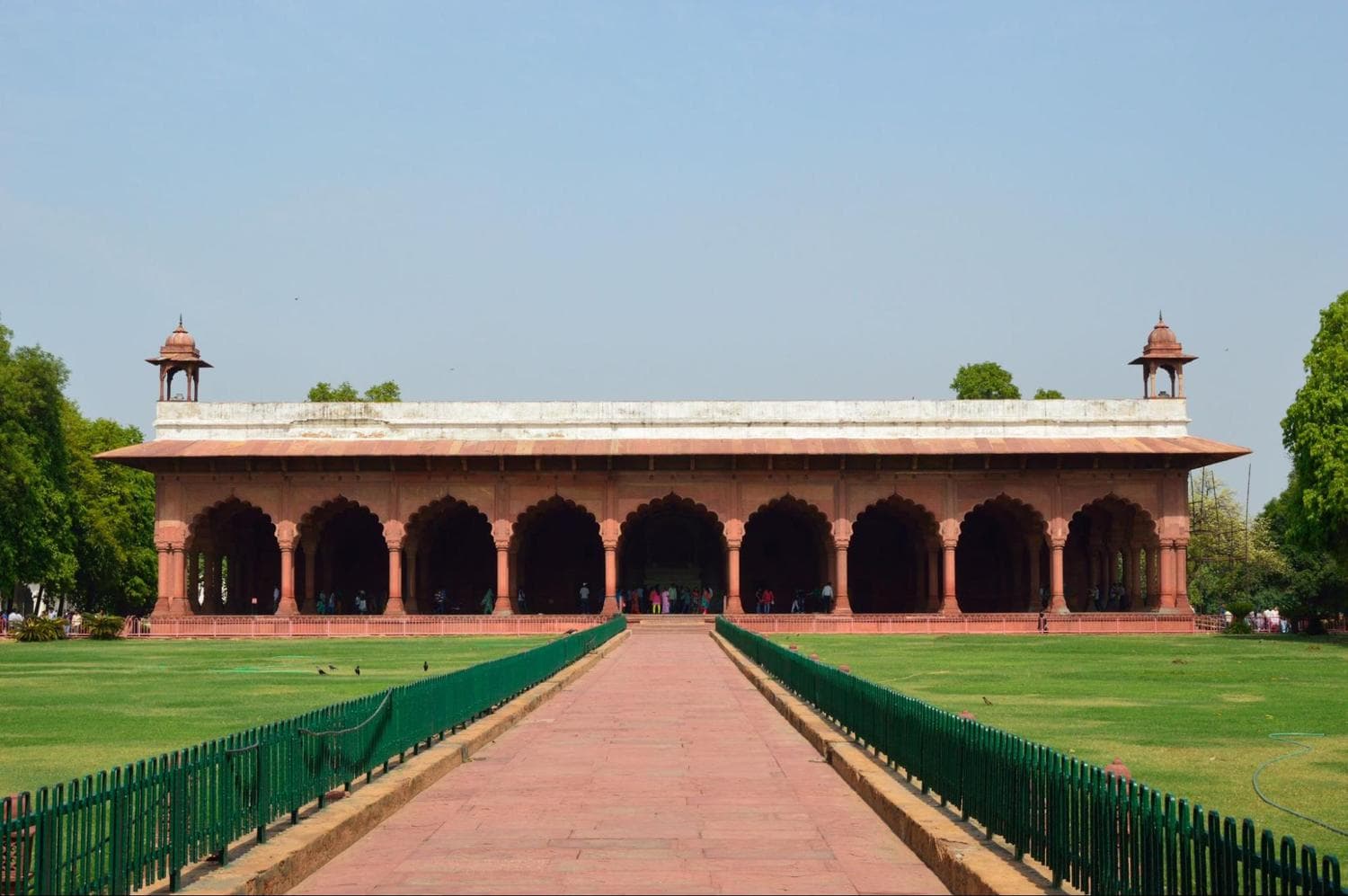
The Red Fort was built in the 1600s as the seat of Mughal rule, and its spaces were designed to be both visible and audible. The Diwan-i-Aam, the Hall of Public Audience, allowed rulers to address the public directly.
Standing there today, you can imagine voices carrying across the courtyard, petitions being heard, and justice delivered in full view. This openness explains why the fort continues to represent governance.
Private Courts and Measured Grandeur
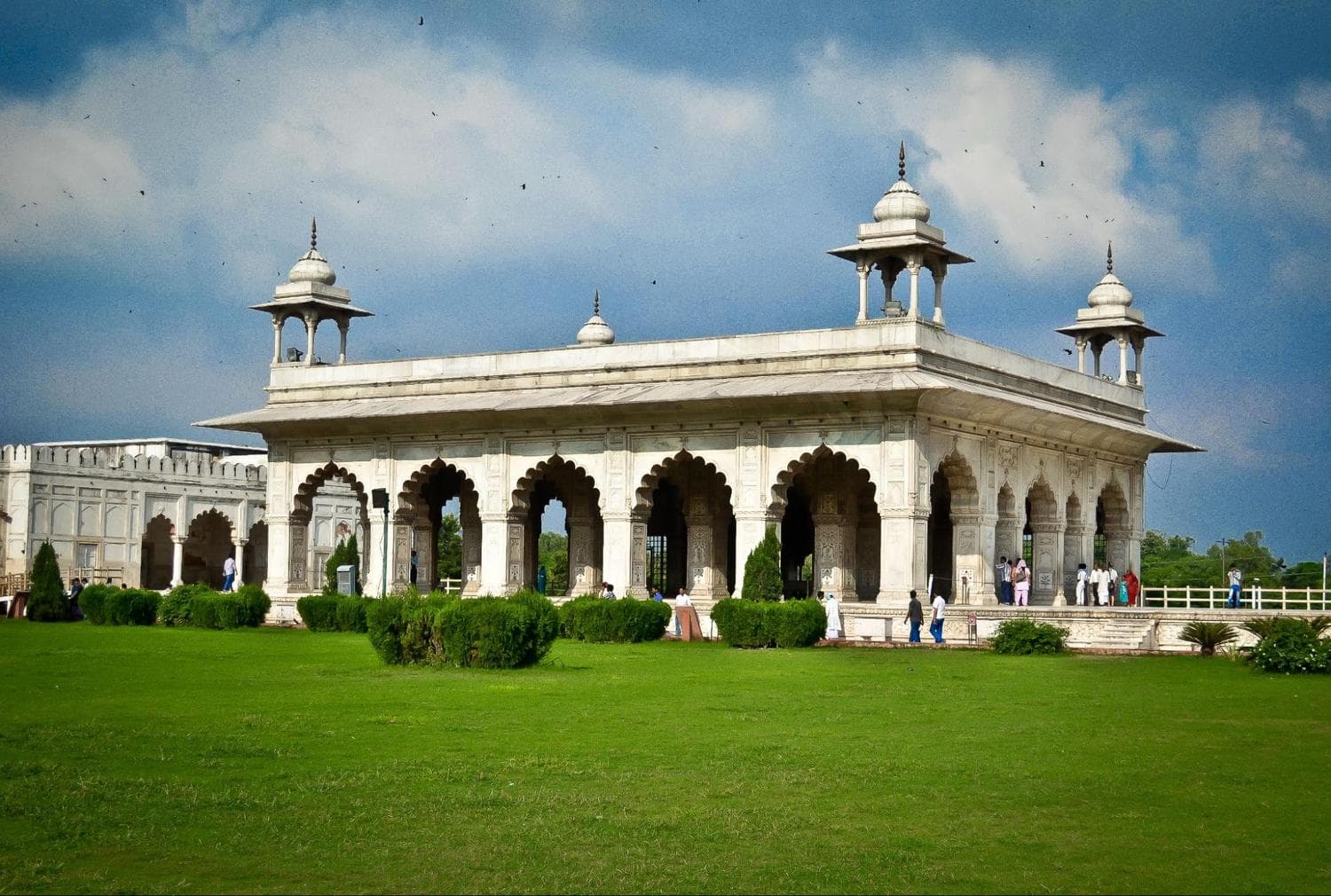
Beyond the public halls, the fort opens into inner chambers, such as the Diwan-i-Khas. Marble floors, inlaid stones, and flowing water channels reveal how refinement guided daily life in the court.
These rooms were not built for excess but for balance between beauty and control. When you walk through them, you sense how design directs behaviour, movement, and conversation.
Living Stone and Seasonal Design
The Red Fort responds to climate with intelligence. High ceilings, shaded corridors, and water channels helped cool the interiors during the harsh summer months. Gardens were laid out to bring relief through sound and scent. Even now, the stone holds warmth differently as the day changes. Touch a wall, and you feel how carefully the structure was planned for living, not display.
From Empire to National Symbol
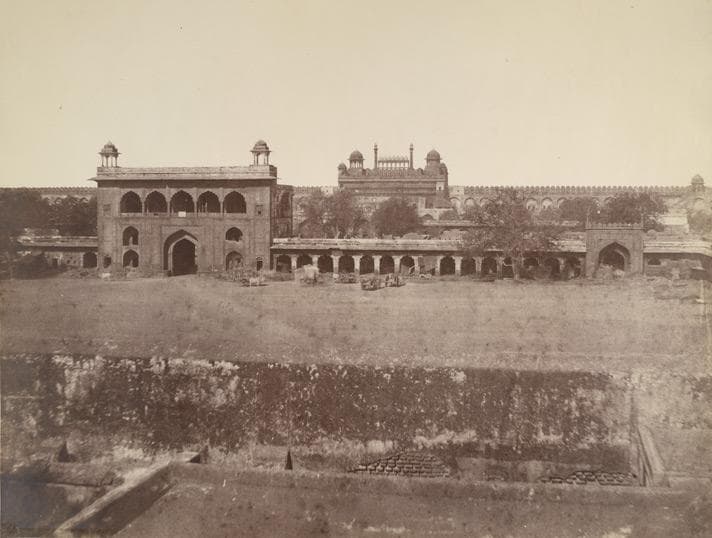
After the Mughal era, the fort passed through British control and later into independence. Each year on August 15, the Prime Minister speaks from the Red Fort. When the Indian tricolour, the national flag, is raised, the fort becomes a place of remembrance connecting its imperial past to modern democratic values.
What Stays With You
As you move across the grounds, you notice families, students, and elders sharing the same paths. School lessons meet lived experience here. You may hear guides explaining battles, reforms, and ceremonies, yet the deeper understanding comes from being present in those spaces and taking it in with your own eyes.