
As you step into the courtyard, you see the golden dome shining in the sunlight, plated with 24-karat gold. Standing at the heart of Amritsar, the building feels solid and well-kept, not just decorative. Today, the temple’s gleaming surface is one of India’s most recognizable sights.
A Place Open From Every Side
The temple stands at the center of a wide pool reached by a narrow marble walkway. It is open on all four sides, which shows that everyone is welcome here. The layout maintains an open and easy-to-navigate space. As you walk around the water, you will see people pause to rinse their hands or sit quietly before resuming their journey.
Where Prayer Never Stops
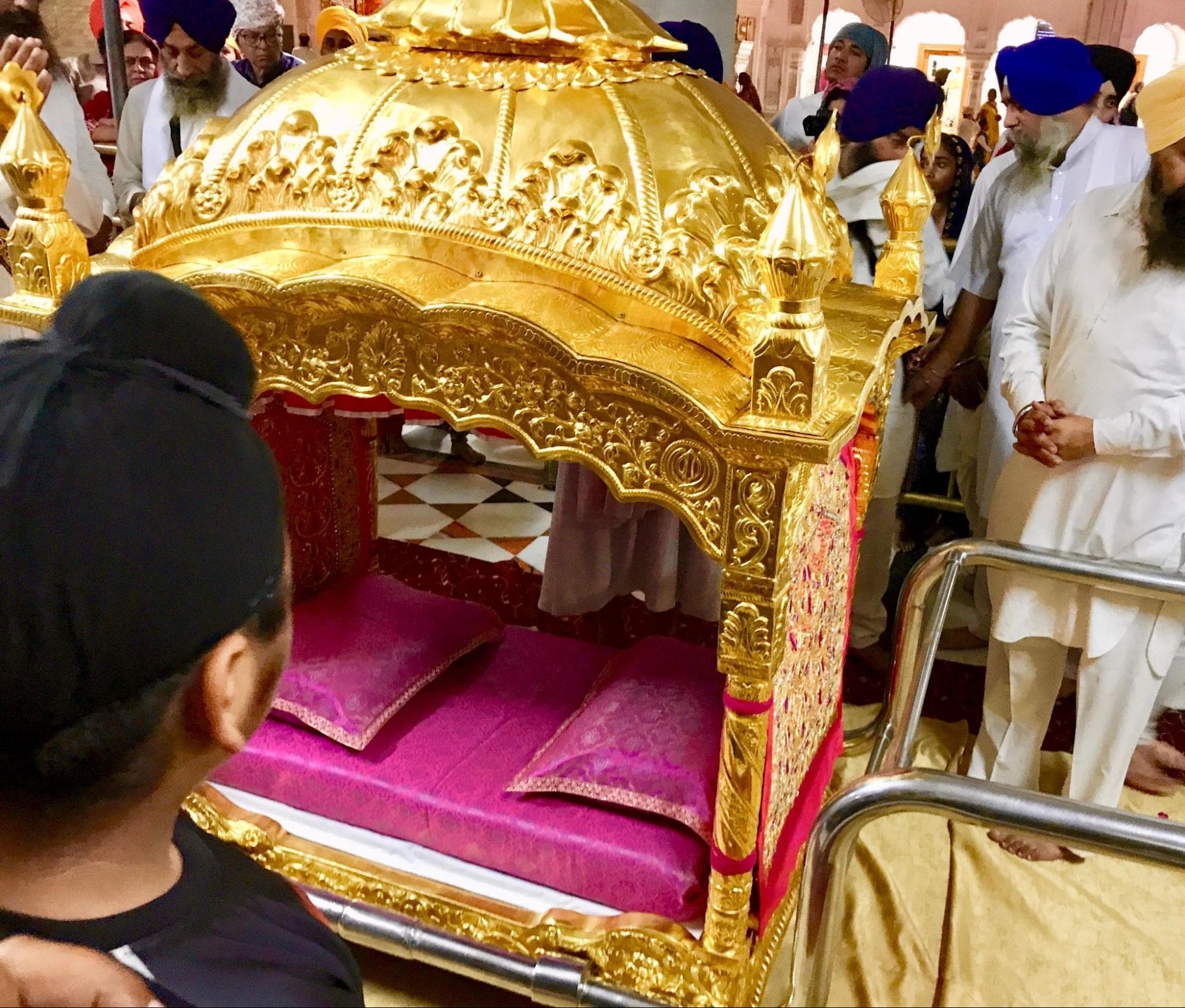
Inside the sanctum, the Guru Granth Sahib rests with dignity. It is the sacred scripture of Sikhism and is treated with deep respect. Hymns are sung throughout the day as a continuous act of devotion. You may not understand the words, but feel a sense of calm. Many visitors sit for a few minutes, while others stay for longer periods. No one asks how long you should remain that is up to you.
The Kitchen That Serves Thousands
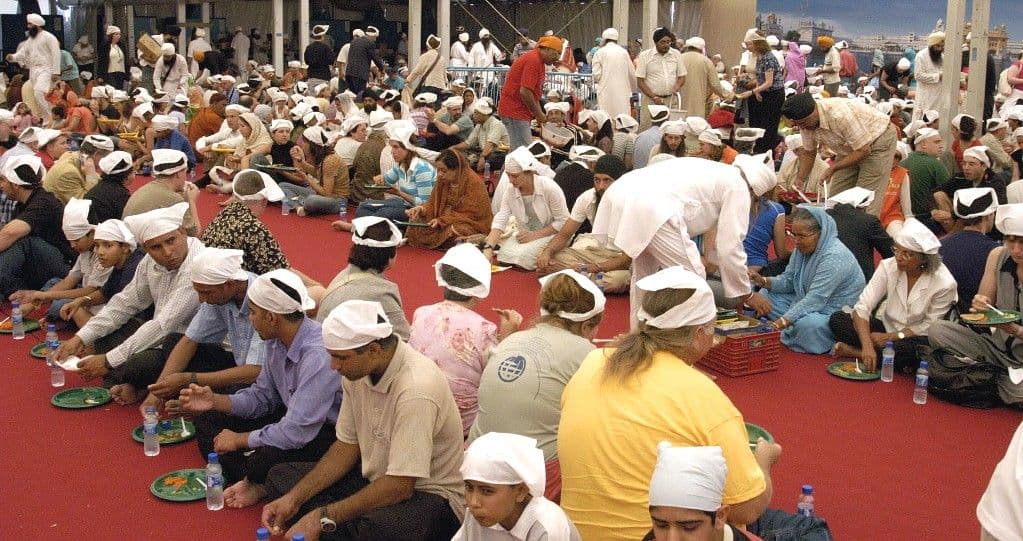
One of the most powerful parts of this place is the langar, the community kitchen. Each day, approximately 35,000 to 50,000 people receive free meals, with the numbers rising on festival days. You sit on the floor beside strangers and share the same simple food. Volunteers cook, serve, wash, and clean side by side as equals. This daily effort keeps the temple open to all and demonstrates the care that is provided here.
Where Faith Meets Public Responsibility
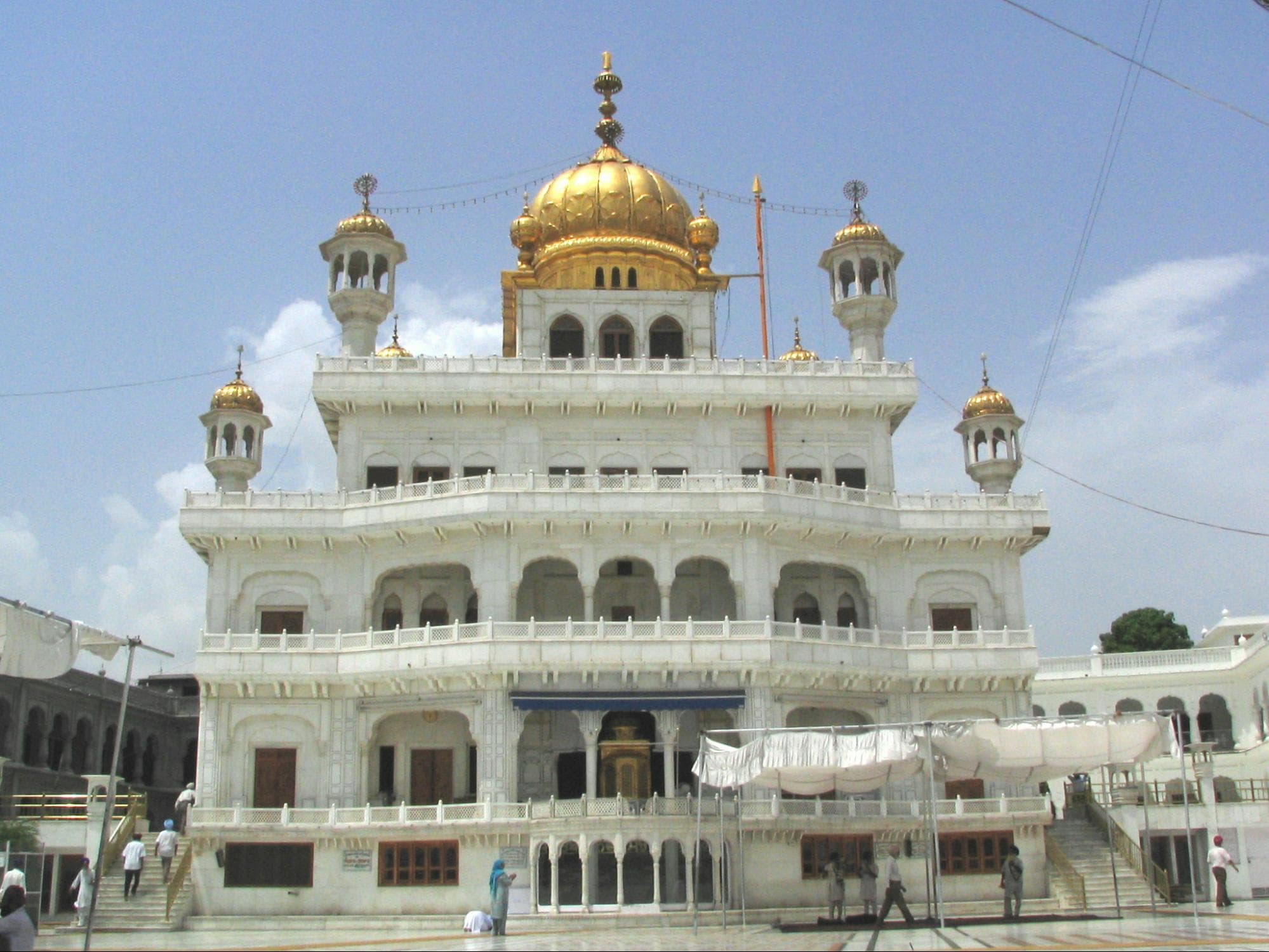
The Akal Takht is an institution of guidance and governance, separate from worship halls. Leaders meet here to discuss matters affecting Sikhs and address the community's concerns. Decisions are made, disputes are settled, and gatherings are called when needed.
The building also hosts formal ceremonies and public addresses during important moments. Visitors may see displays featuring Sikh history and leadership symbols, while some areas remain reserved for meetings and official use.
What You Should Know Before You Go
Wear clothing that covers your shoulders and knees. Carry a scarf to cover your head. Photography is allowed in some areas, but avoid using your phone inside the main prayer hall. Early mornings and late evenings feel calmer, while afternoons bring larger crowds. If you choose to eat in the langar, follow the volunteers. They guide with gentle gestures rather than instructions.