
Ganesh Chaturthi is a Hindu tradition that welcomes Lord Ganesha into everyday life. The festival reflects values people carry daily, such as learning, caring, and new beginnings. It unfolds through simple actions that take place at home. This closeness is what makes the celebration feel personal.
Making Space at Home
Before the idol arrives, homes undergo visible changes. Shelves are cleared, floors are meticulously cleaned, lamps are checked, and a simple platform is arranged. This preparation is not about display. It is a way of making room both physically and mentally for something meaningful. Everyone in the house has a role, even if it is only holding a cloth or placing a flower.
Bringing the Idol Home
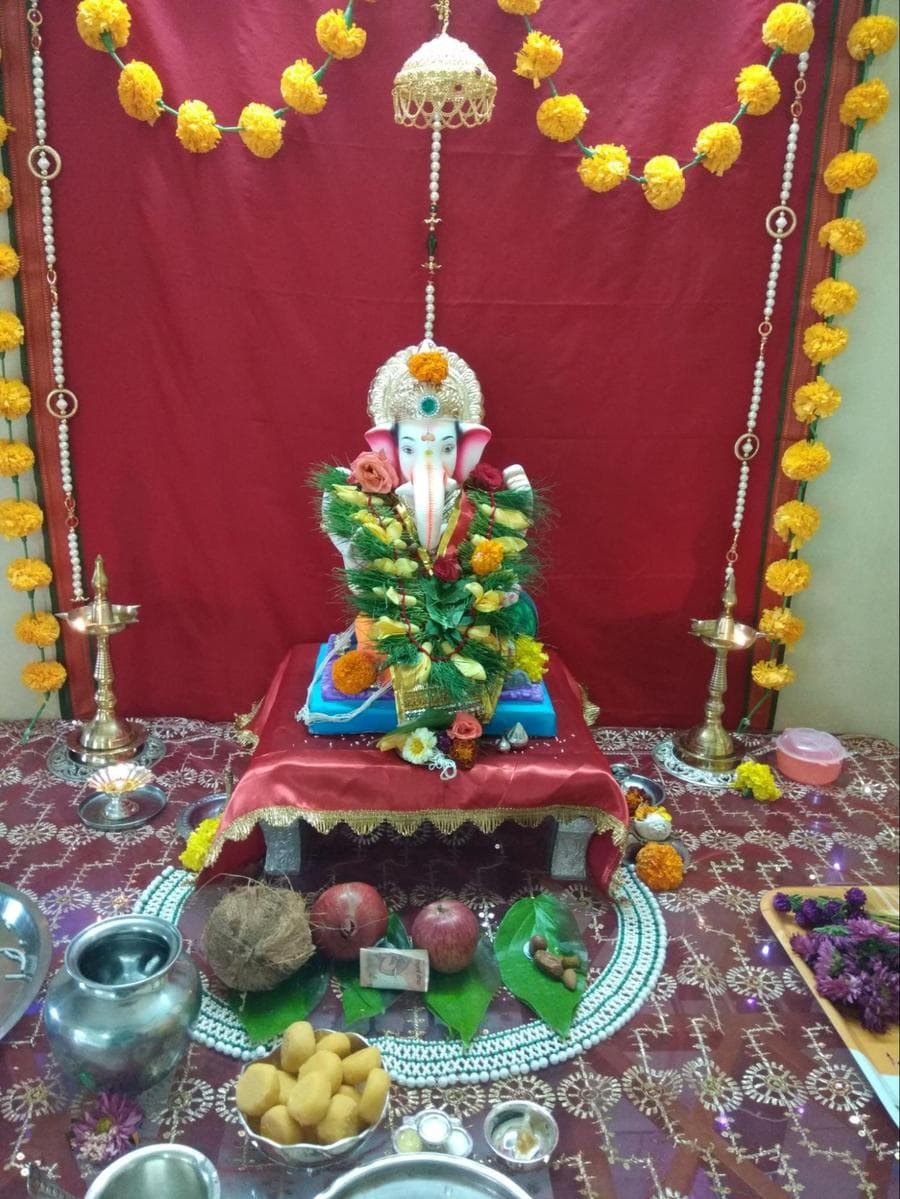
Choosing the idol is often the most awaited moment. Some prefer clay, others metal or stone, but the act remains the same. The idol is carried with attention, placed gently, and unwrapped slowly. From that moment, the idol becomes an integral part of the household, blending seamlessly into everyday life.
New Clothes as Part of the Celebration
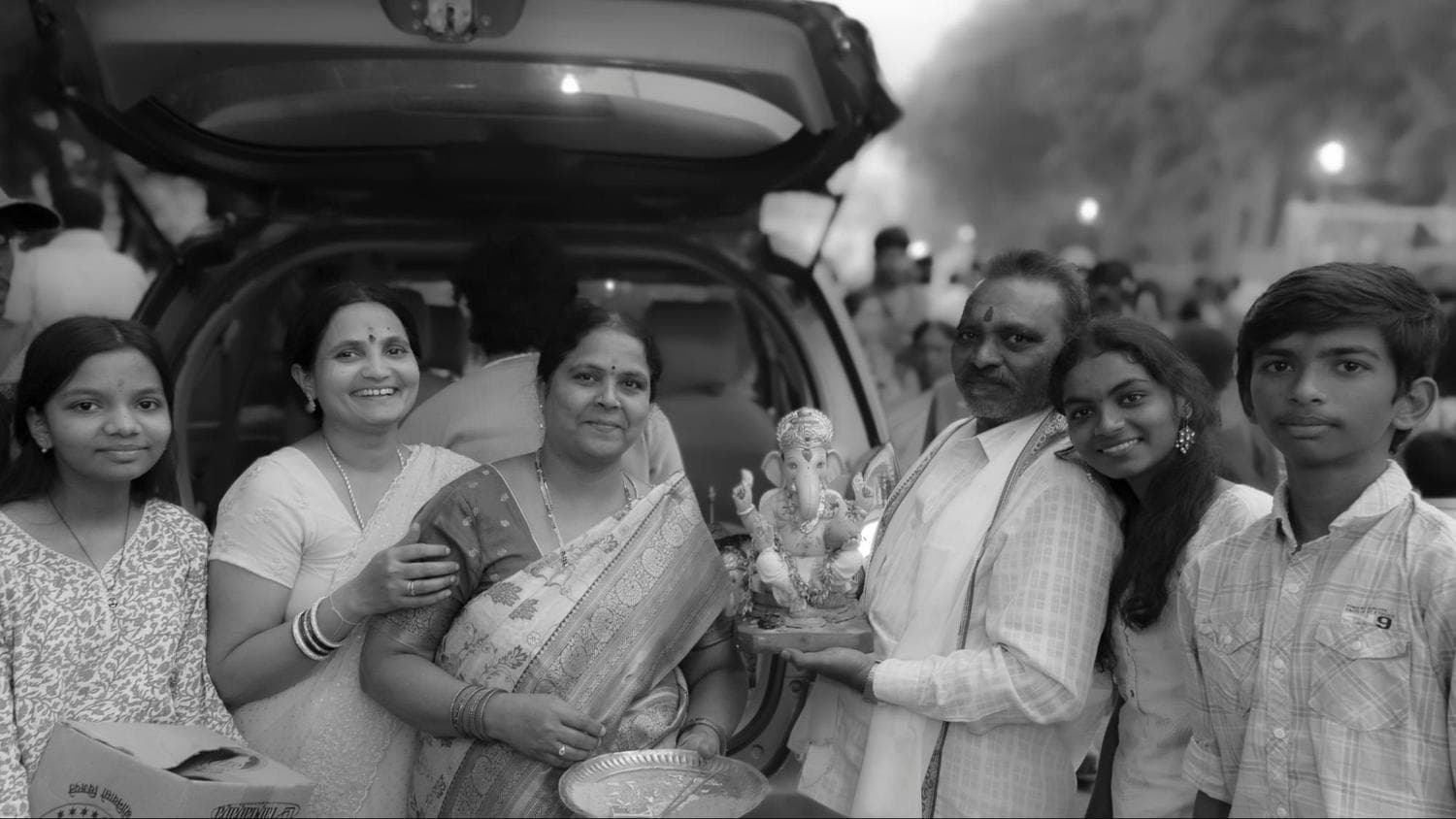
Ganesh Chaturthi is closely tied to new clothes. A fresh kurta, a bright saree, or a neatly pressed shirt makes the day feel special. Parents dress their younger ones, recalling how they wore something similar years ago. These simple traditional acts remain long after the festival ends, growing into early memories of devotion.
Food as Memory and Motion
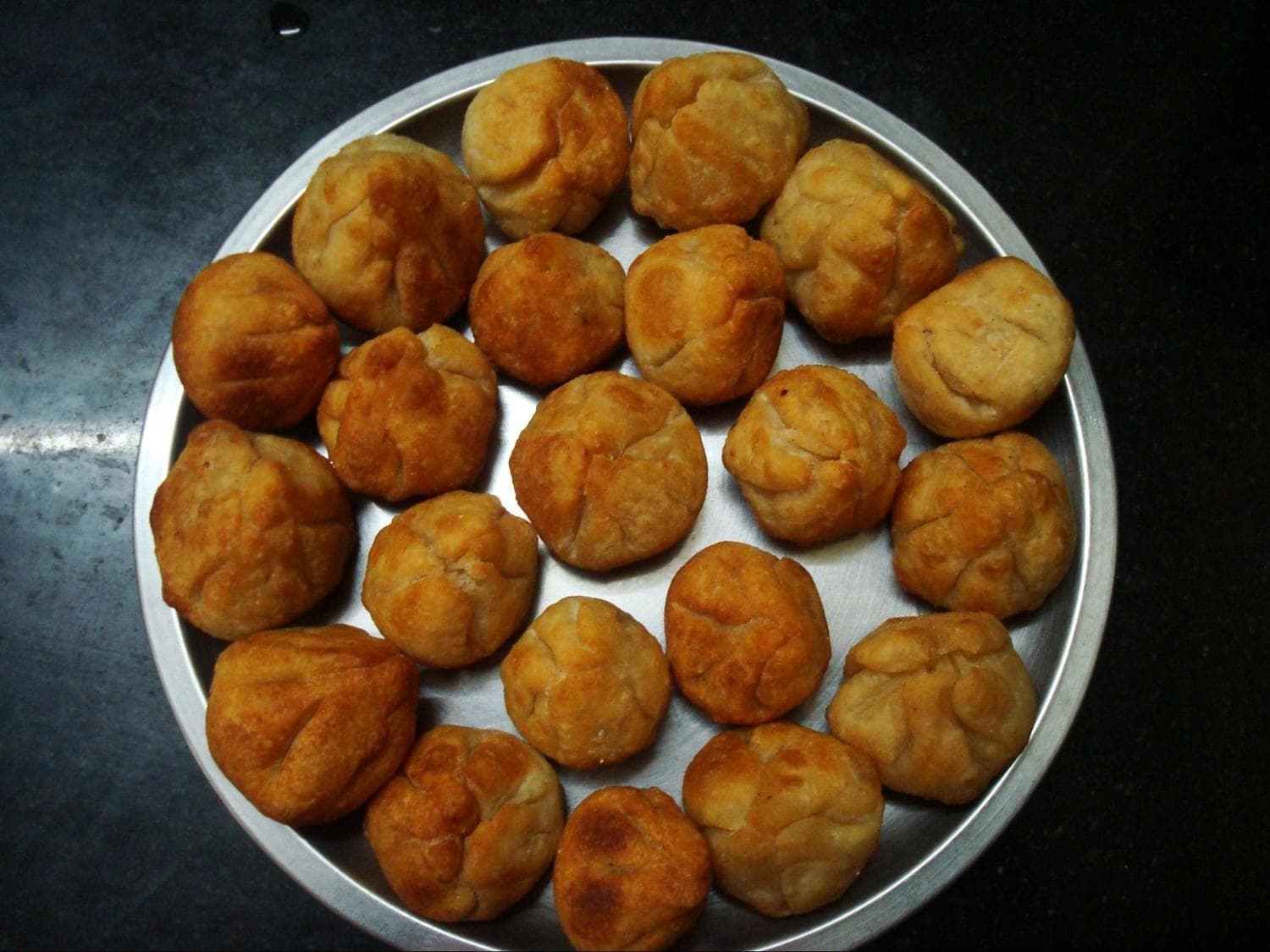
Sweet recipes are central. Families make modaks, laddus, or local treats together by hand. One person mixes while another watches the steam, and someone else shapes the final form. The offering comes first, then the treats are shared within the family. Taste becomes a way to carry the day forward.
Lessons That Come From Doing
Children learn by taking part. They help carry flowers, pass plates, and copy small gestures shown by elders. No lecture is needed. The meaning arrives through action, and these lessons naturally pass from one generation to the next.
Neighbours, Visits, and Simple Exchange
This home-based ritual carries into the community. Neighbours bring small gifts, and kids run between houses with bright faces. Visits are short and friendly. The exchange maintains the festival's communal nature while keeping the household at its center.
The Farewell that Matches the Welcome

When it’s time to send the idol away, the care mirrors the beginning. The figure is wrapped, handled with respect, and returned to the water or prepared for transfer. Children ask questions, elders recall earlier years, and everyone shares a final look. The farewell holds both gratitude and trust.