
Kerala is a place where nature and daily life move together side by side. Rivers guide the morning, hills cool the air, and rain changes how a town wakes and slows. Stay for a short while, and even the simplest moments feel touched by the land around you. This is nature at its best and a land where its beauty is truly felt.
Traditions That Bring People Together
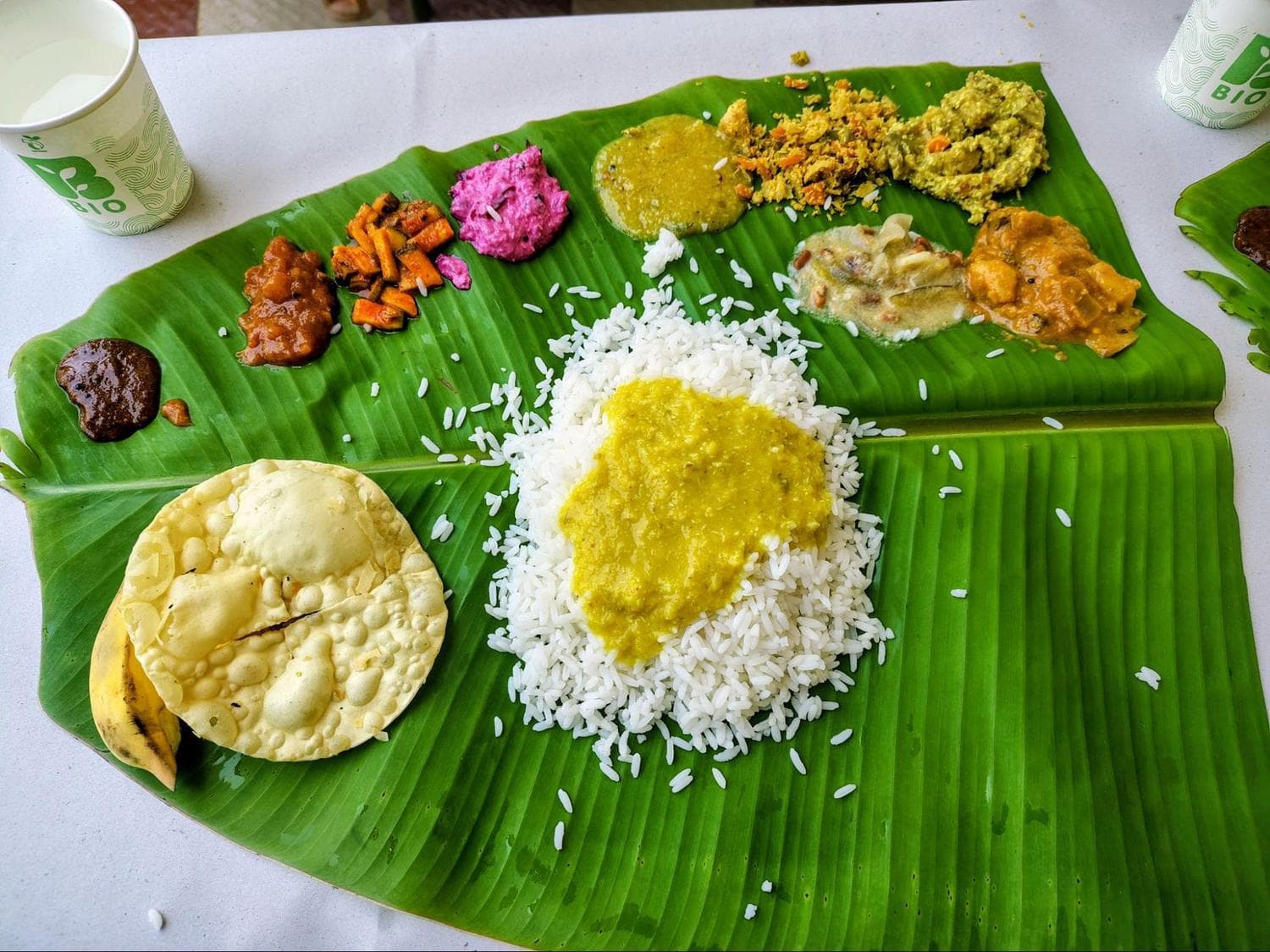
Daily life grows from habits that are learned at home and shared across the community. Food is prepared with local ingredients and cooked in thoughtful ways, passed from elders to younger hands. Guests are welcomed with warmth and invited to eat first, reflecting the region’s long tradition of gentle hospitality.
Festivals deepen this sense of closeness. During Onam, families serve generous dishes on banana leaves and open their doors to neighbors. Classical art forms such as Kathakali and martial traditions like Kalaripayattu are preserved through patient training that passes from one generation to the next.
Tradition here does not rely on grand displays. It lives in small gestures and everyday kindness.
Fort Kochi: Where Sea and Story Meet
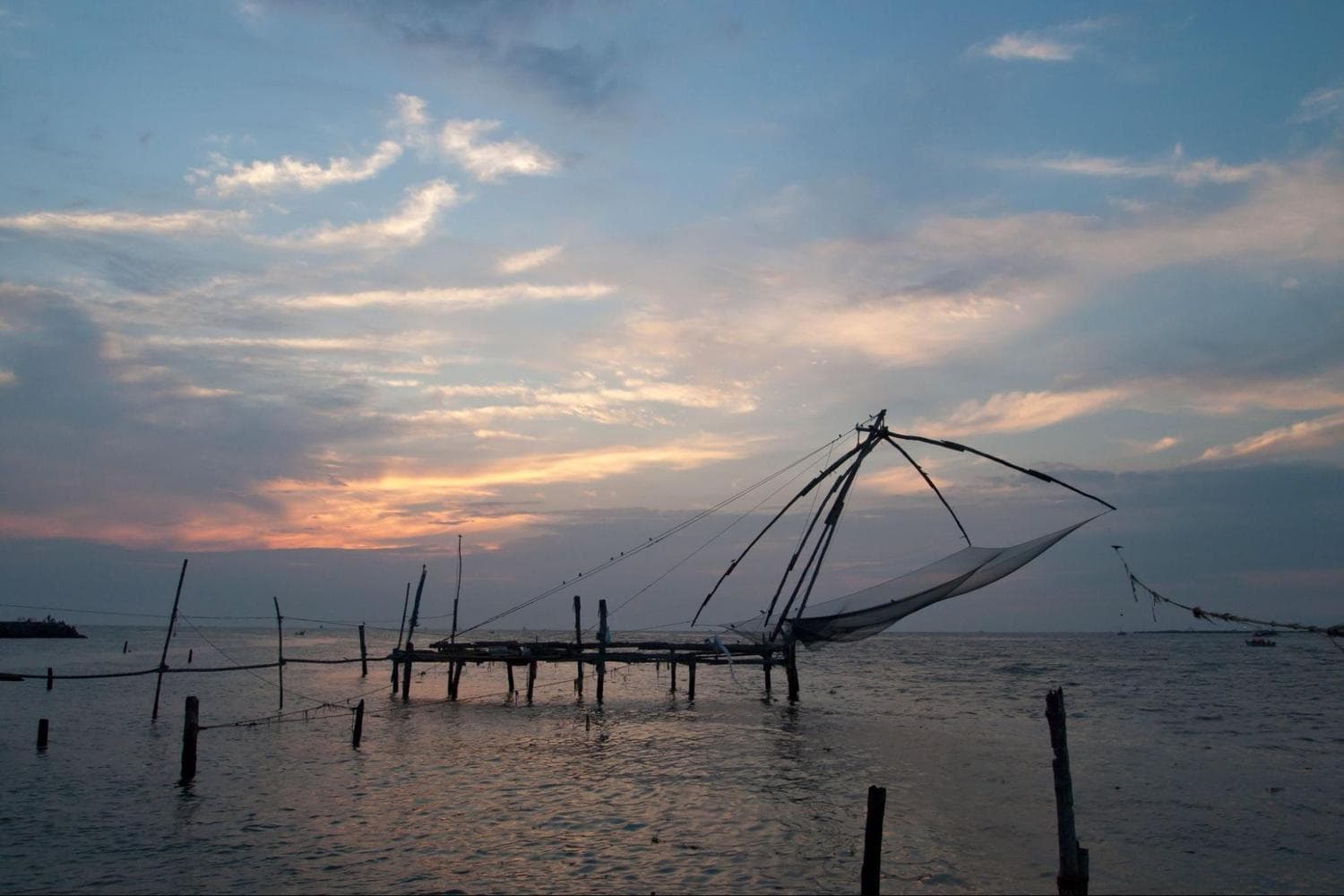
Fort Kochi is known for its wide fishing nets that stretch over the water and sway with the tide. Aromas of salt and warm food fill the air near the shore. Lanes lead to spice shops, art spaces, and old colonial houses where traces of many cultures remain. Sit by the water and enjoy a simple fish curry that carries a taste of the coast’s long history. Here, the past is never hidden. It meets you in every street and doorway.
Did you know? Fort Kochi is one of the few places in India where traditional Chinese fishing nets are still used along the shore.[1]
Periyar: A Walk into Kerala’s Wild Heart
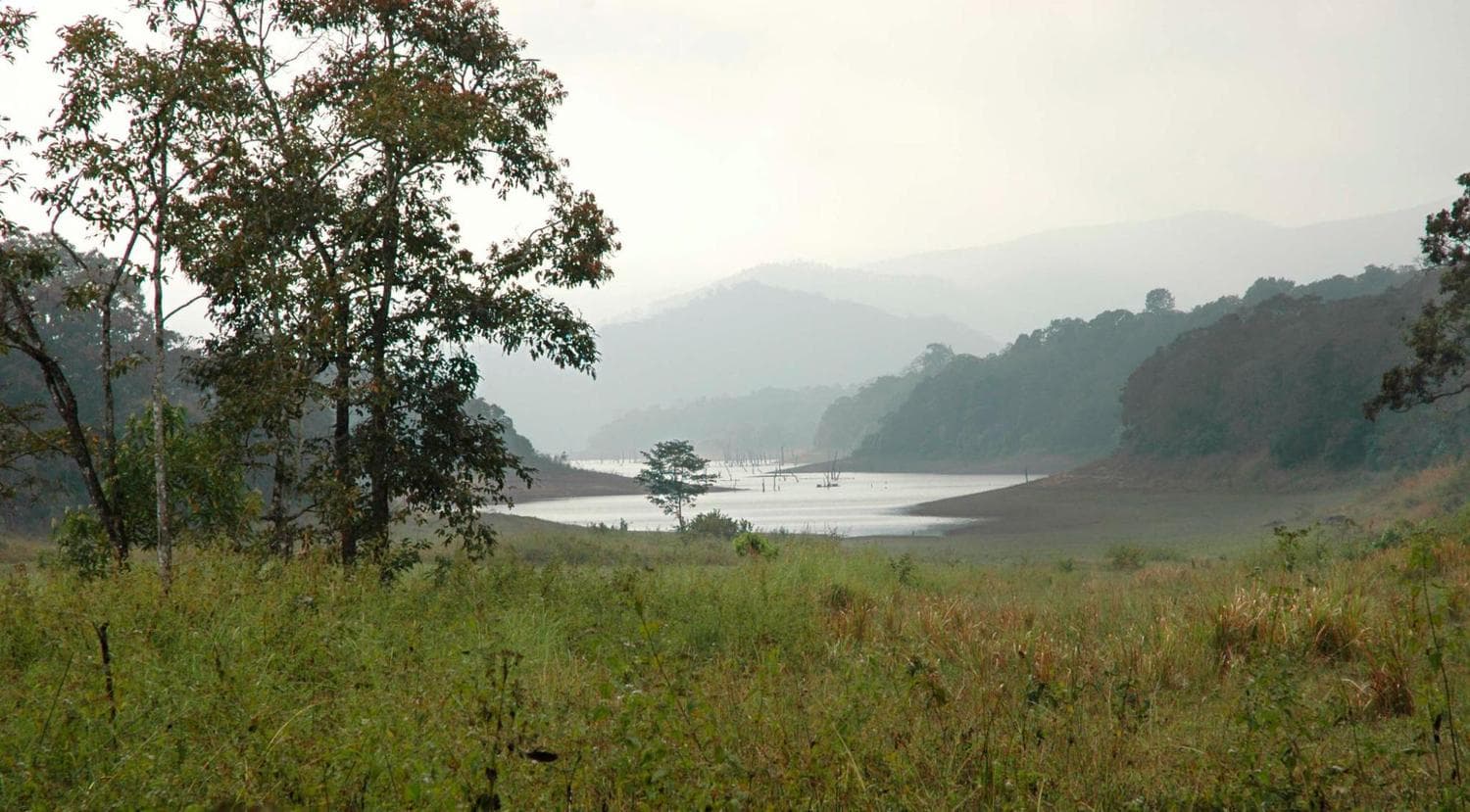
Periyar is a protected forest area near Thekkady known for its wildlife lake and guided nature experiences. You can explore it by boat or on foot, depending on how close you want to feel to the forest.
A slow ride across the lake lets you see signs of elephants and hear birds move through the trees without the noise of busy crowds. Walking trails show how plants, animals, and people share this landscape in a careful balance.
The Scent That Rises After Rain
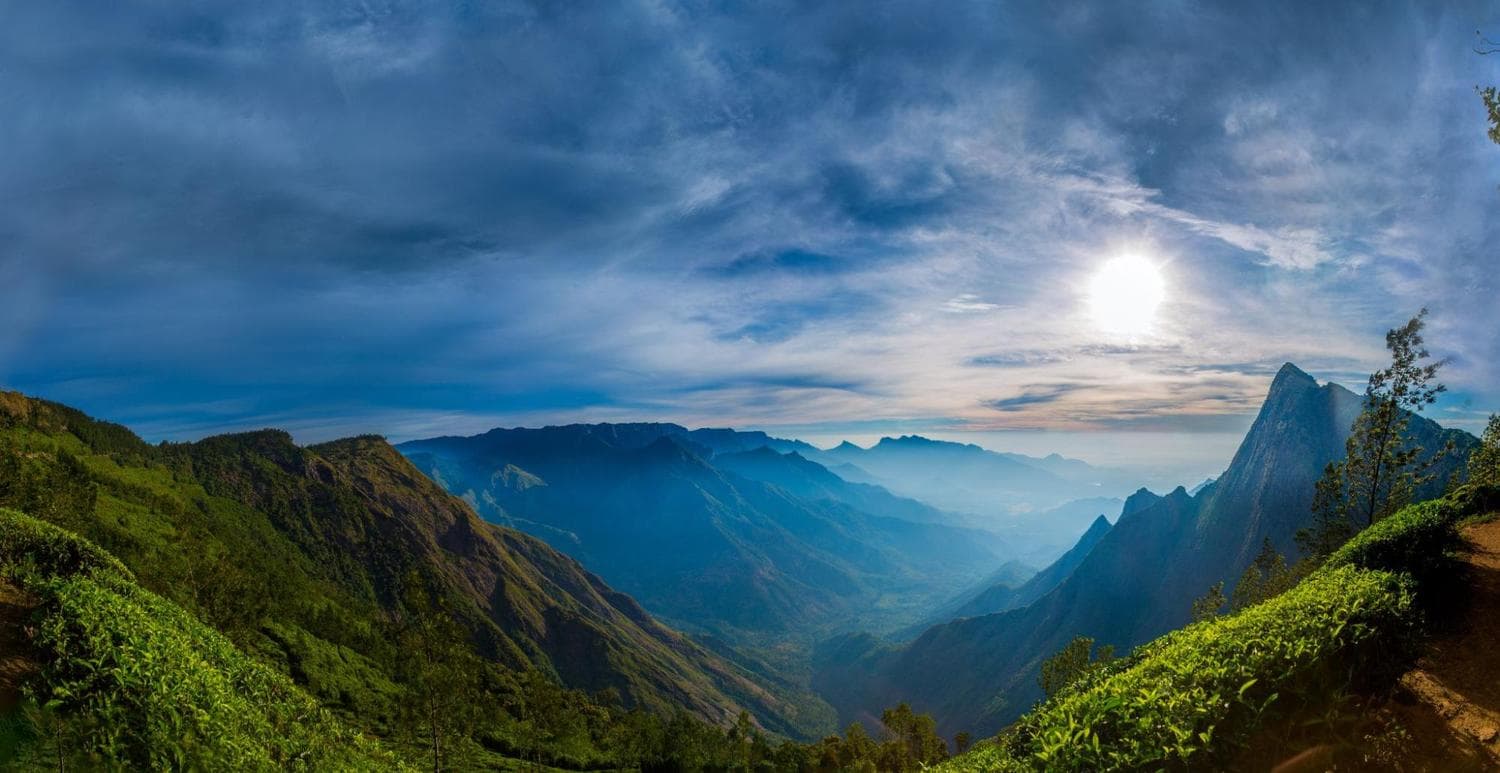
Have you ever noticed how tea leaves smell stronger after rain? In Munnar, light rainfall settles over the high plantations, keeping the slopes damp throughout the day. Visitors can walk through tea estates, see how leaves are processed, and taste fresh brews shaped by these conditions. This mix of altitude, rainfall, and careful cultivation is why Munnar is known as India’s highest tea-growing area.
Ayurveda as Everyday Care
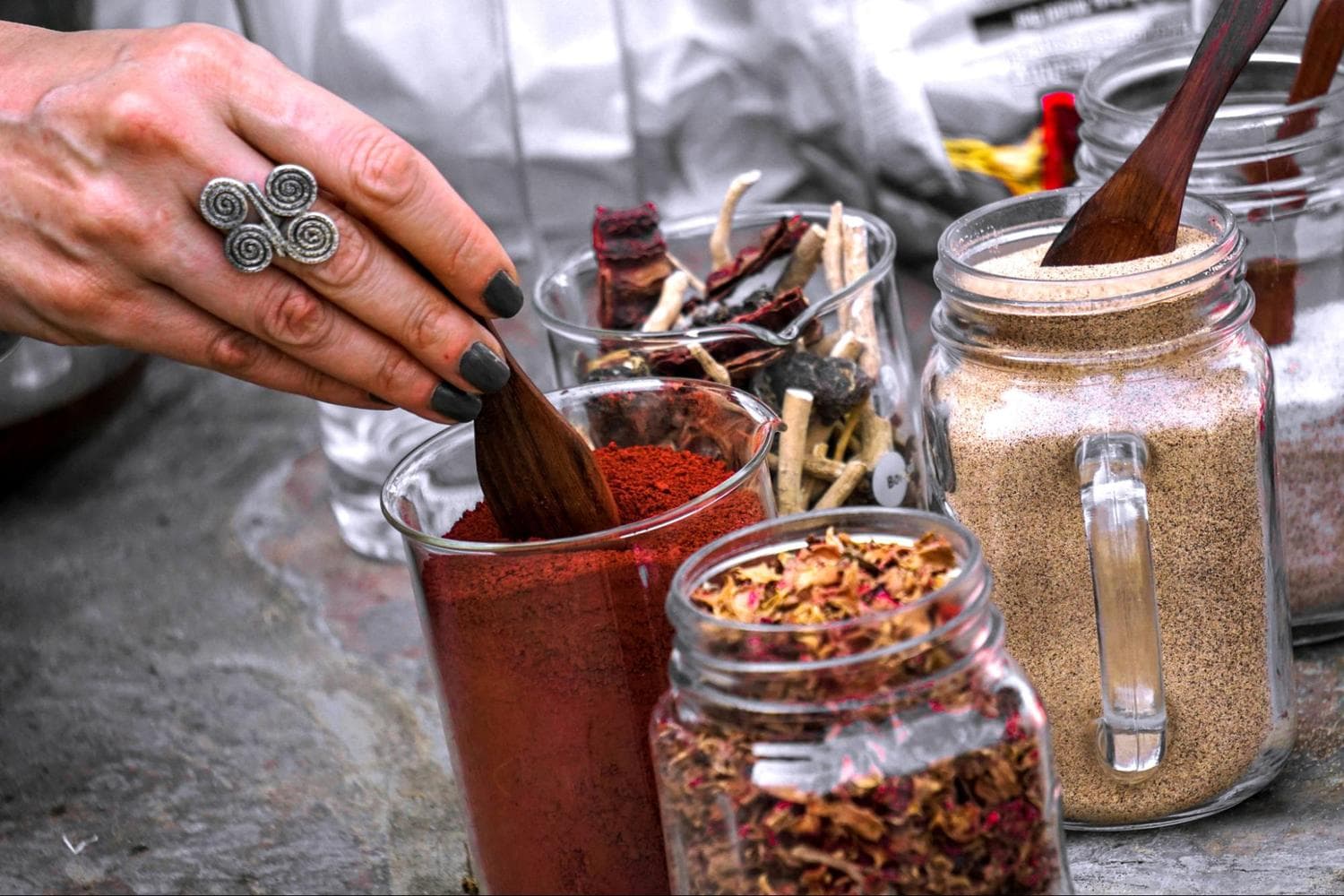
Ayurveda here is household medicine. Families keep herbal oils at home and use warm steam for sleep, digestion, and headache concerns. Many trust remedies made from local plants more than anything bought from a store.
Nearby clinics offer short-term treatments that help visitors relax. Guests often try a gentle massage or a steam session and return with simple practices they can incorporate into their own routine.
How to Make the Most of Your Days in Kerala
Visit between October and February for clear skies, cool mornings, and calm backwaters. On your first day, move slowly and let the place's mood guide you. Start with a short boat ride to notice how daily routines begin along the water, then spend time in a local market tasting fresh coconut or simple spice snacks.
If you plan to explore the hills, carry a warm layer for the early hours and a light jacket in case of sudden showers. Try a brief Ayurvedic massage or steam session to relax after travel. Keep your plans open so you can keep pace with the world around you. Let each day unfold in its own time.