
Gujarat is widely admired for its legacy of traditional art and craftsmanship. Every piece holds months of dedication, hard work and a unique story. These traditional art styles are passed down for generations and still thrive today.
While we explore different art forms, you’ll see how thread, clay, and oil are a way of presenting Gujarati tradition and folklore.
Rogan Art: Painting with Castor Oil
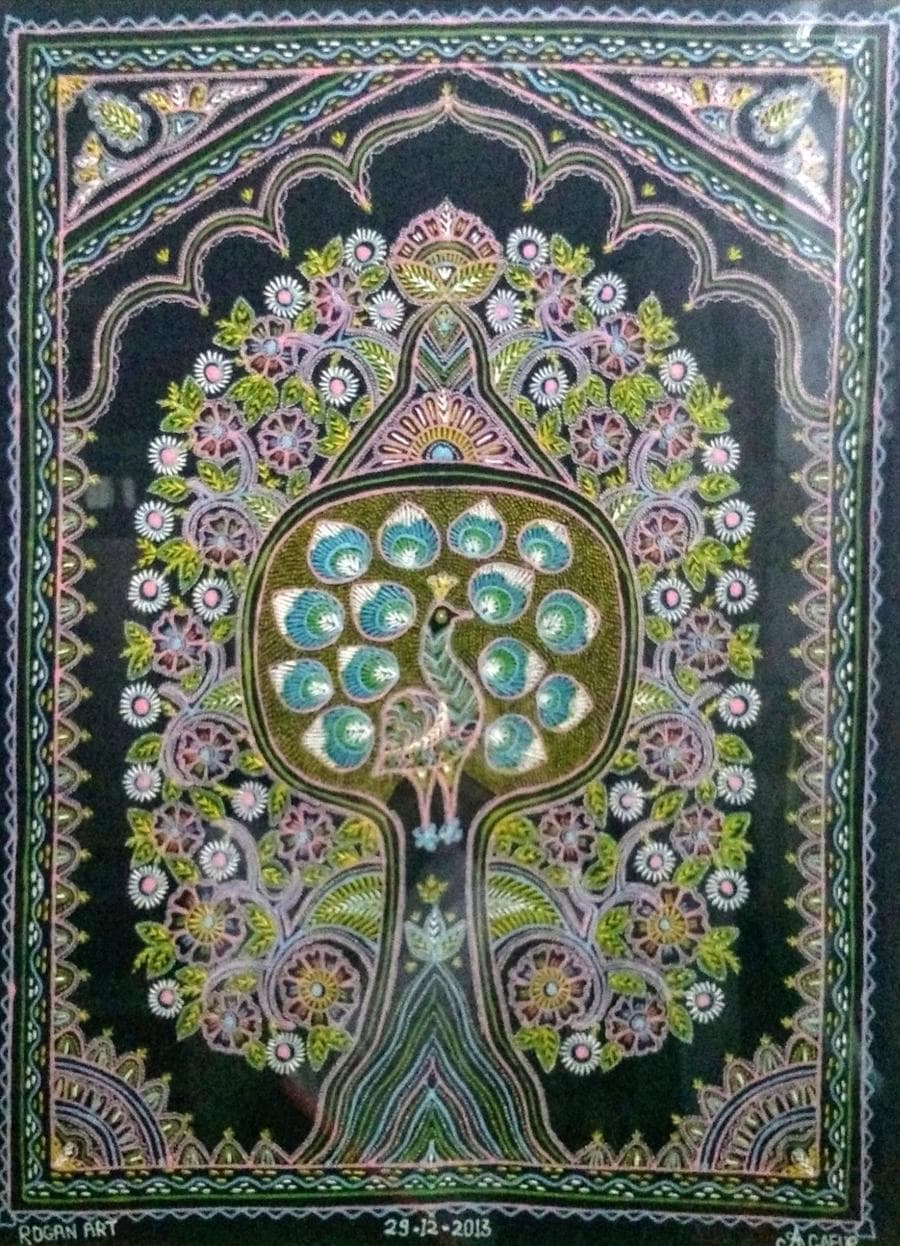
The term rogan originated from the Persians, meaning "oil" or "varnish." This painting style dates back to the 17th century. Artists work without reference and merely paint with their own imagination and creativity.
What makes it unique is that the brush never directly touches the fabric. Instead, artists use thin metal rods to control thick, oil-based rogan, creating designs that float above the cloth. These designs are covered with the other half of the cloth, capturing a mirror image for the other side.
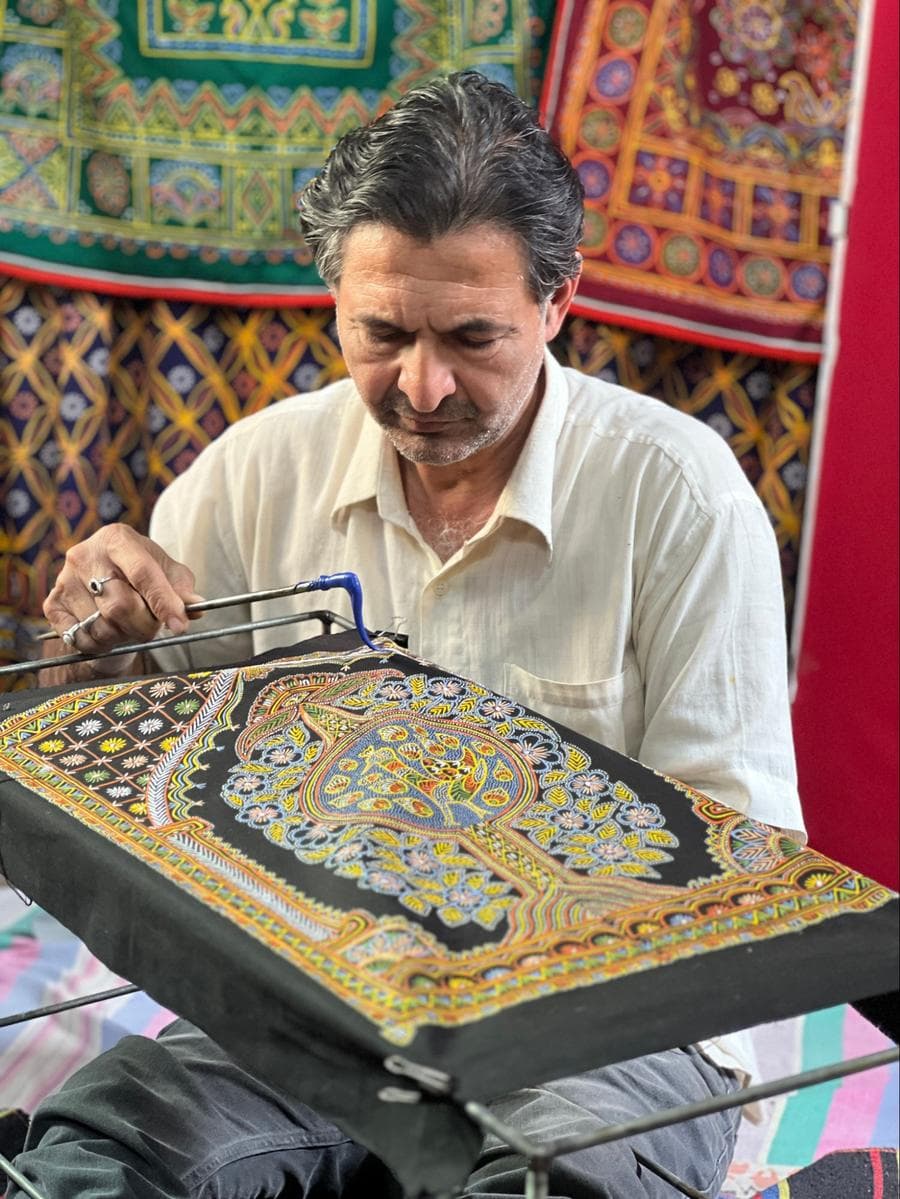
The making of Rogan starts with heating castor oil—a dangerous process, as the oil could catch fire. The preparation requires patience and mastery. After two days of heating the oil, it forms a thick honey-like texture. After which, the color is mixed by putting some dye on the stone floor and smashing the Rogan with a stone until the color is fully absorbed by it.
This art form has almost vanished, and only one family, Khatri, in all of Gujarat still practices it, keeping it alive all these years. Before the pandemic, they held workshops teaching their craft, ensuring the century-old legacy wouldn’t die with them.
Lippan Kaam: Mud and Mirrors of the Desert
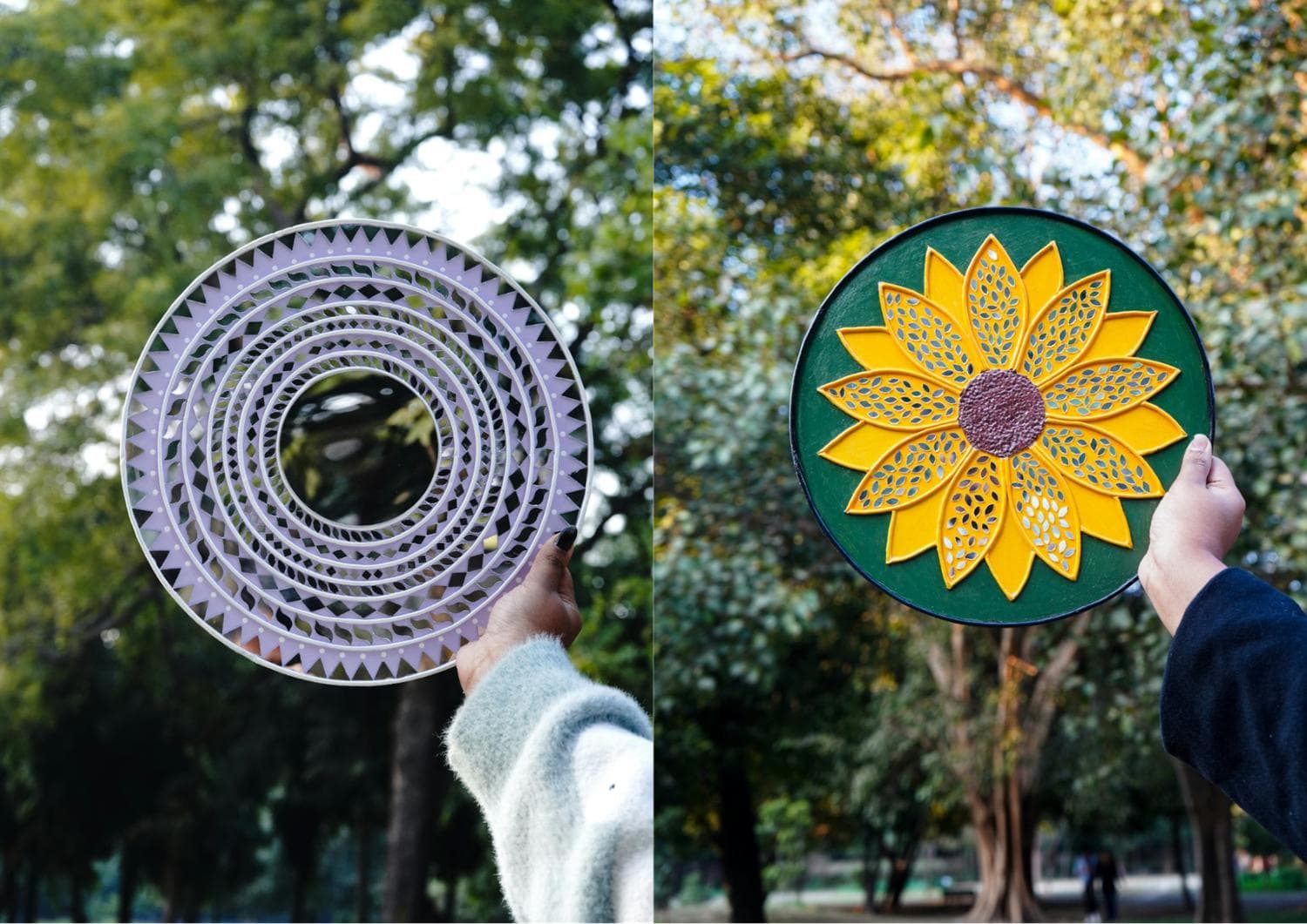
Lippan art was once a survival technique in the harsh and dry summers of Kutch. This mud mirror technique was used while making walls, doorways and ceilings. This not only looked good, but also worked as an insulator and even protected walls by reflecting the harsh sun rays.
Today, due to the increasing influence of social media, this art form is no longer confined to mud houses. It has made its way onto canvases, wooden panels, and even home decor.
To build a mud home, ancient artisans prepared a mixture of clay and camel dung to create a natural adhesive for their mirror patterns while still being able to carve designs. These mirrors brighten the interiors and are believed to ward off negativity.
Patola Weaving: Why One Saree Takes Months
The Patan Patola is a century-old weaving craft showcasing timeless artistry, immense skills, and precision. These textiles were renowned among kings and wealthy merchants. Today, they are the pride of Patan in Gujarat.
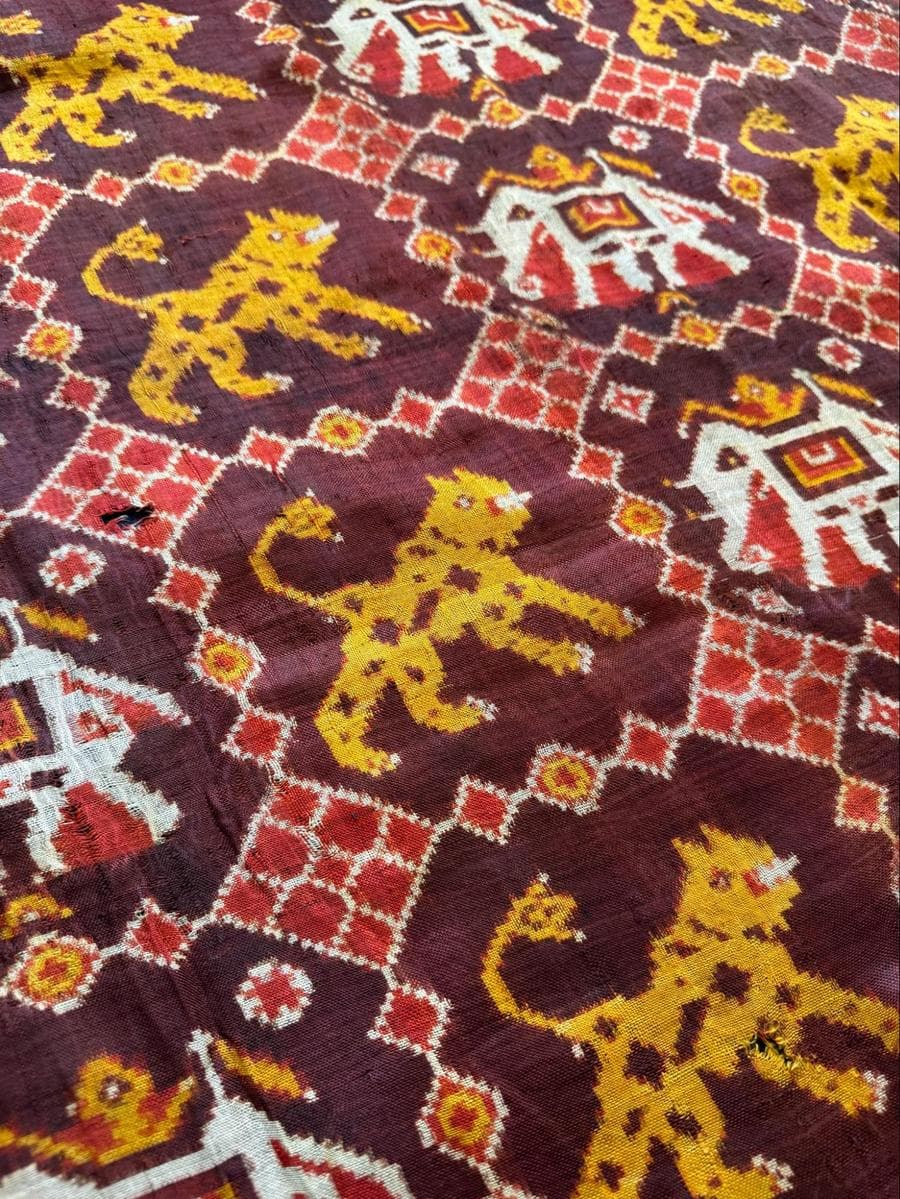
These beautiful textiles are created using the double-ikat technique, with each piece taking six months to one year. This craft requires great skill, patience and is very difficult to master.
In the double-ikat technique, every vertical and horizontal thread is tied and dyed before weaving. Each string is placed with mathematical precision and woven to determine how the image will emerge. One mistake, and everything is ruined.
The designs range from animals to dancing women, each symbolising a different story. The fabric feels soft and smooth to the touch, appearing almost three-dimensional, showcasing Patola’s signature and elegant look. Each piece ranges from $1,000 - $3,000 (₹100,000 to ₹300,000), plus, depending on the design and complexity.
Bandhani: How Tie-and-Dye Became Identity
Bandhani means “to tie”. It’s a technique in which the cloth is first marked with chalk or temporary blue dye, then pinched with the fingertips and tied up, forming tiny dots called bheendi. A single meter of fabric holds thousands of such dots.
When the cloth is dyed in colors such as yellow, green, pink, red, brown, and blue, these dots come together to create striking designs. After the fabric dries, the threads are removed, revealing a pattern of trees, flowers, or other motifs.
Bandhani clothes are widely associated with Western India, with strong centers like Rajkot, Bhuj, Jamnagar, and Surendranagar in Gujarat, and in cities of Rajasthan like Jodhpur and Jaipur. These textiles are often worn during special occasions like weddings, festivals and rituals.
These crafts survive not as museum pieces, but because they are still used—worn during weddings, festivals, and exchanged as gifts. However, this survival remains fragile. Mass production offers cheap alternatives to authentic work, while the younger generation chooses office jobs over the demanding labor of loom and weaving.
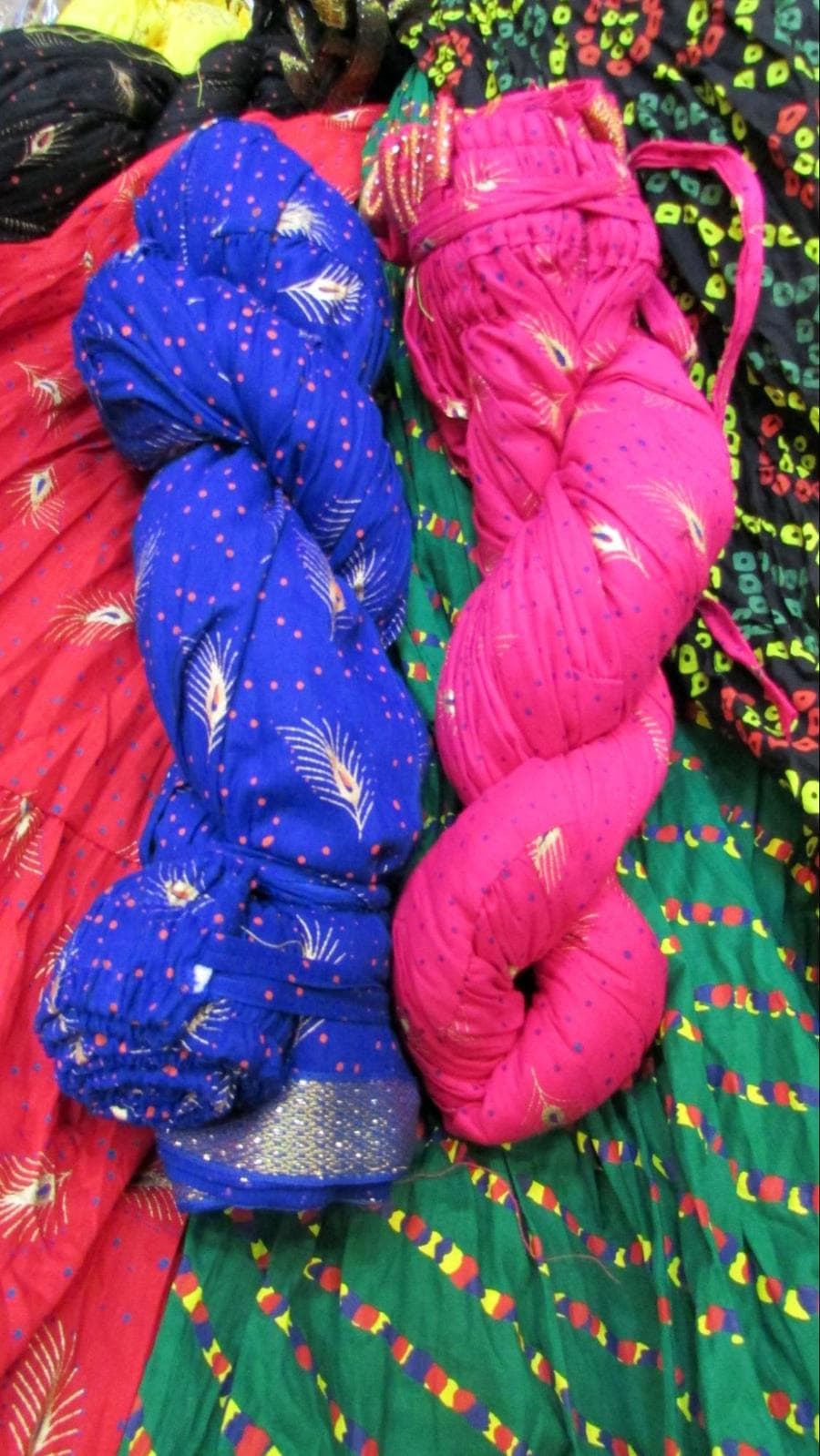
When you purchase these authentic Gujarati attires, remember, you're not just buying fabric or art, but months of someone’s life and hard work dedicated to creating the piece.