
The Guru, or teacher, embodies the wisdom that guides souls to their ultimate goal. In India, a guru is often revered as equal to, or even greater than, a god. But this story isn’t about the definition of a Guru. Instead, it's about the birth of the first Hindu guru, Sage Vyasa, how he divided the Vedas, wrote one of Hinduism's two great epics, the Mahabharata, and is commemorated in a temple in Odisha.
The Birth of Sage Vyasa
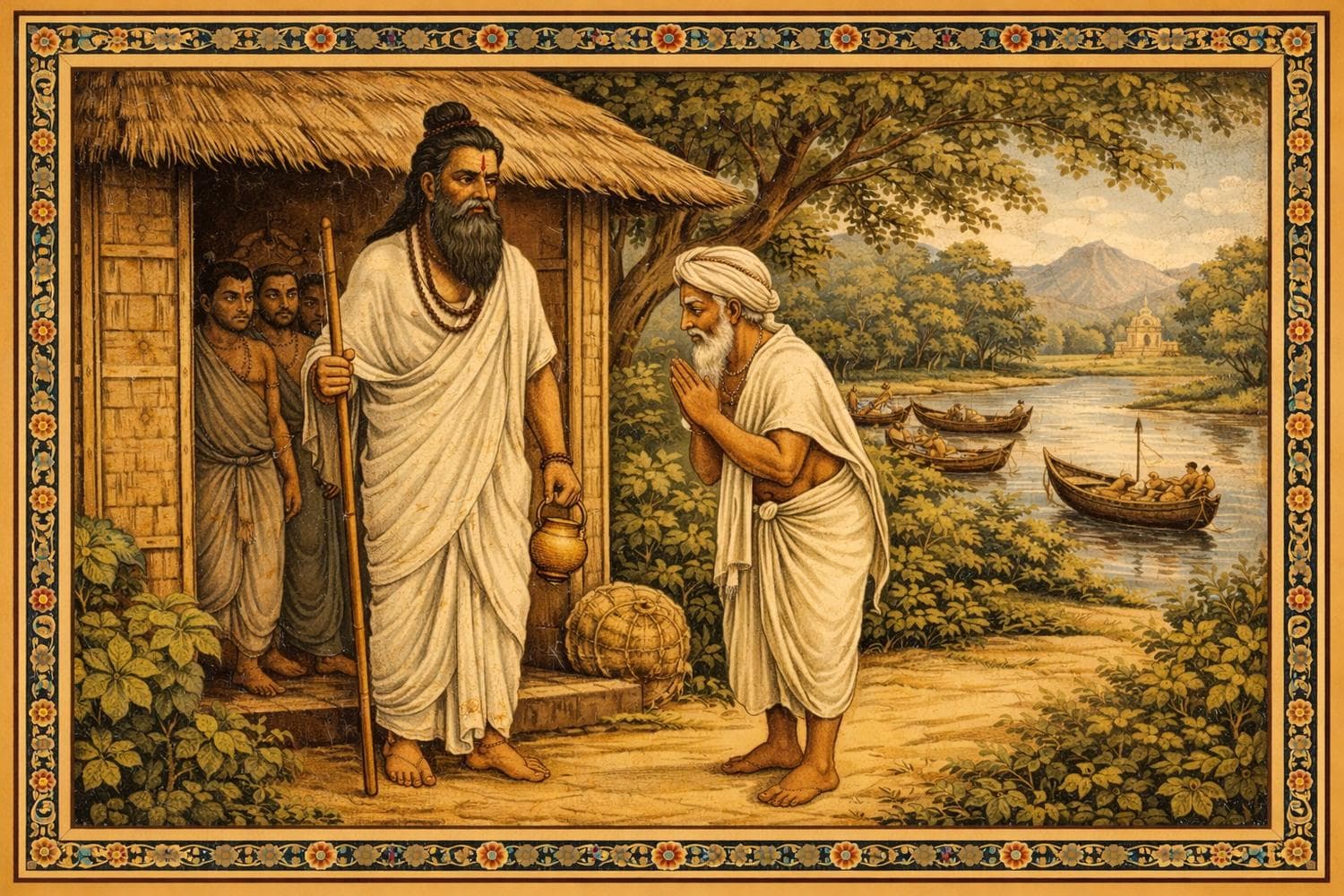
According to the Mahabharata, Sage Vyasa’s father, Maharishi Parashara, stopped at a hamlet near the banks of the Yamuna. He was renowned as the author of the first Purana, Vishnu Purana, a 7,000-verse-long ancient Hindu scripture centered around one of the three great Gods, Lord Vishnu. After hearing of his arrival, the fisherman’s chief, Dasharaja, personally greeted him and invited him into his small hut for the night.
When dawn broke, Dasharaja appointed his daughter, Matsyagandha—where Matsya means "fish" and Gandha means "smell," or “the one who smells like fish”— to cross the Yamuna River. Maharishi Parashara was a pioneer in the field of Vedic astrology. As soon as the boat left and the constellations were still visible, he calculated the positions of the stars and concluded that the sacred times had begun and Lord Vishnu would descend upon the Earth for the 14th time.
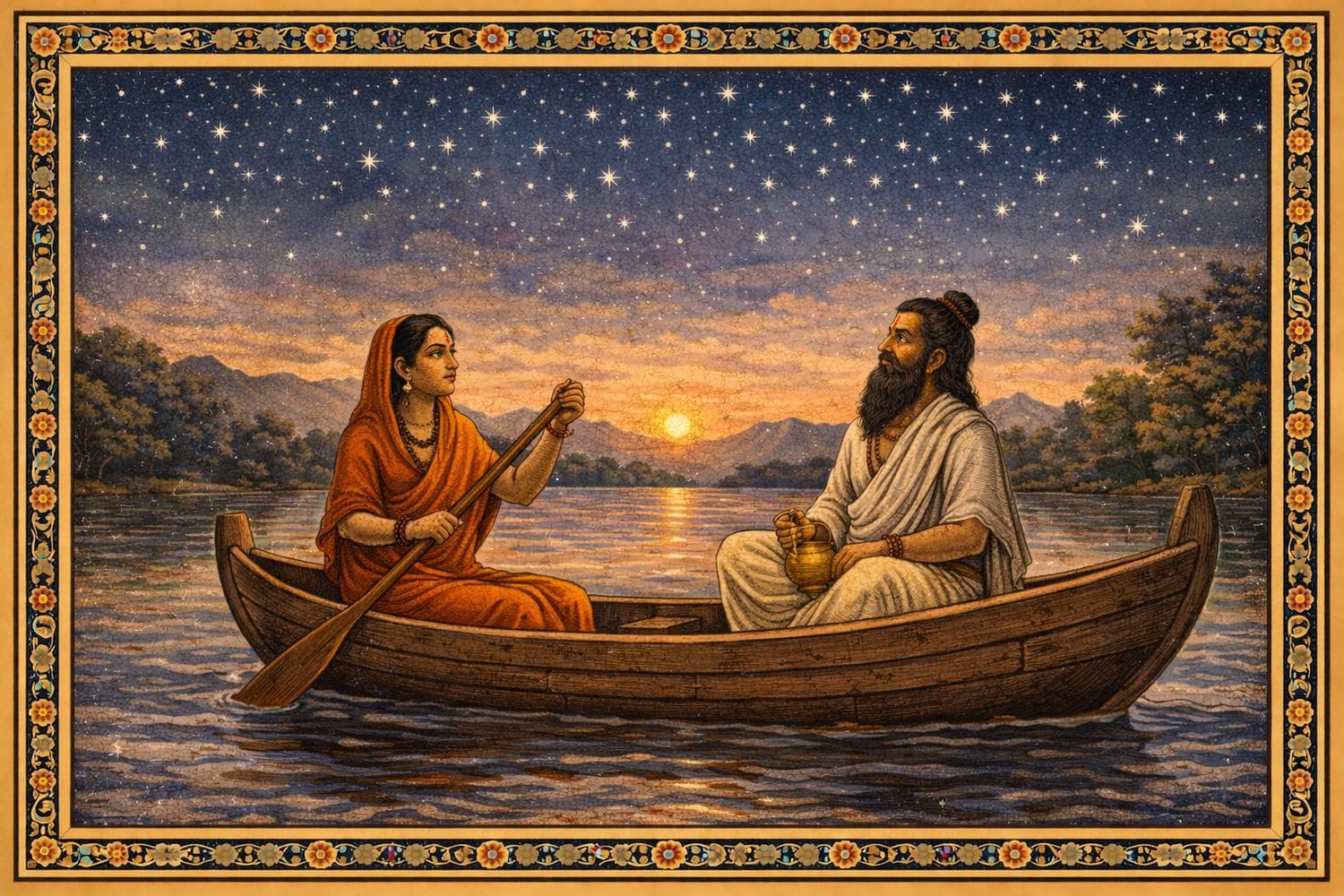
Then he gently asked Matsyagandha to become a vessel for a child who would be the partial incarnation of God Vishnu. Furthermore, he will divide the Vedas (scriptures) and be honored in the three realms, Bhuloka (Earth), Naraka (Hell), and Svarga (Heaven), as the first teacher in Hinduism. But she refused, saying she doesn't want to lose her chastity, and she could still see other sages and her father standing on the bank.
Maharishi Parashara ensured that her chastity would remain intact despite giving birth to a child. Once she agreed, he used his mystic powers to create an island and asked her to dock the boat there. He soon created a cave where he started chanting Mantras, or divine verses, for childbirth. A few moments later, Matsyagandha interrupts him, saying she can’t bear the thought of her son smelling like her.
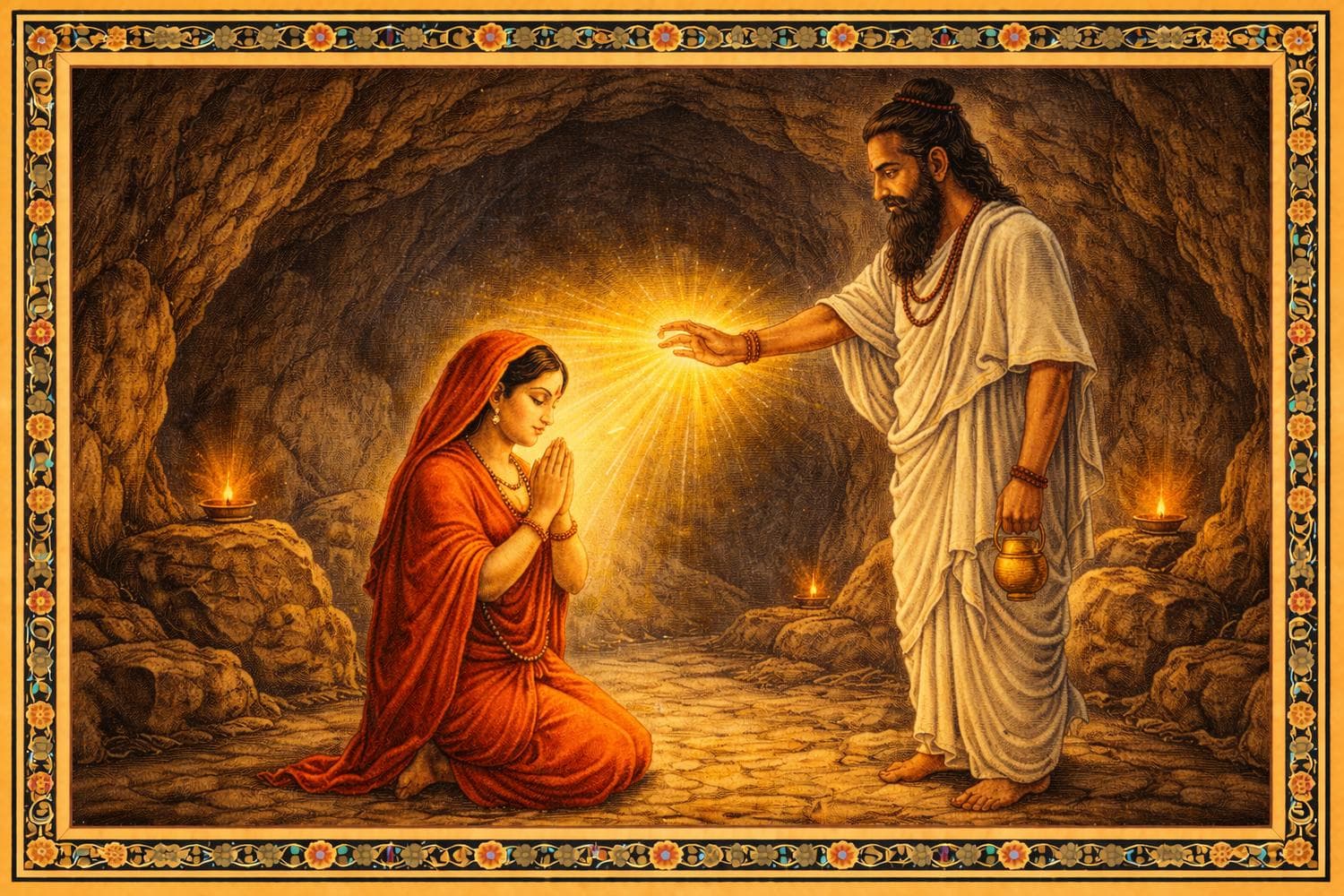
After hearing that, Parashara used his divine knowledge and gave her a boon, or blessing. It altered her body fragrance from fish-like to the finest in the world, hence giving her a new name, Satyavati, or “pure fragrance." Some say she smelled like musk, or kasturi, similar to the scent glands of the Himalayan musk deer.
But it was still morning, and she didn’t like the thought of consummating in broad daylight, where her father and others might still see them from the riverside. So Maharishi Parashara created a thick fog surrounding the whole island, blocking the view of others and transforming the day closer to sunset or evening.
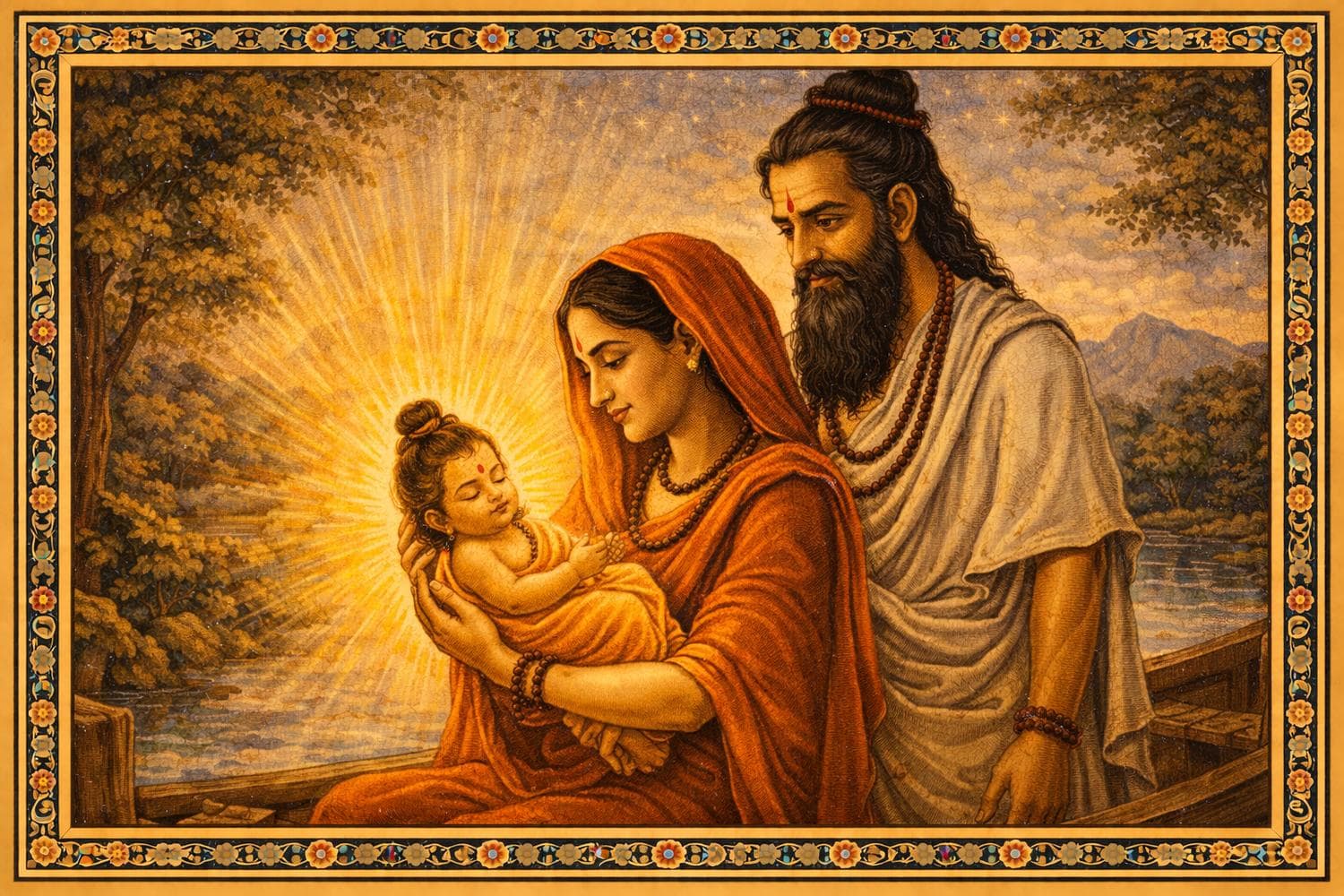
Thereafter, Parashara embraced Satyavati, and in due time she gave birth to a son who radiated spiritual energy. It is said that the childbirth was instantaneous, and he matured into a teenager in the blink of an eye. Her son was dark-skinned, similar to Lord Rama, giving him the name Krishna, a Sanskrit term meaning "black." He was also called Dwaipayana, which roughly translates to “island born," making his full name, Krishna Dvaipāyana Veda Vyasa.
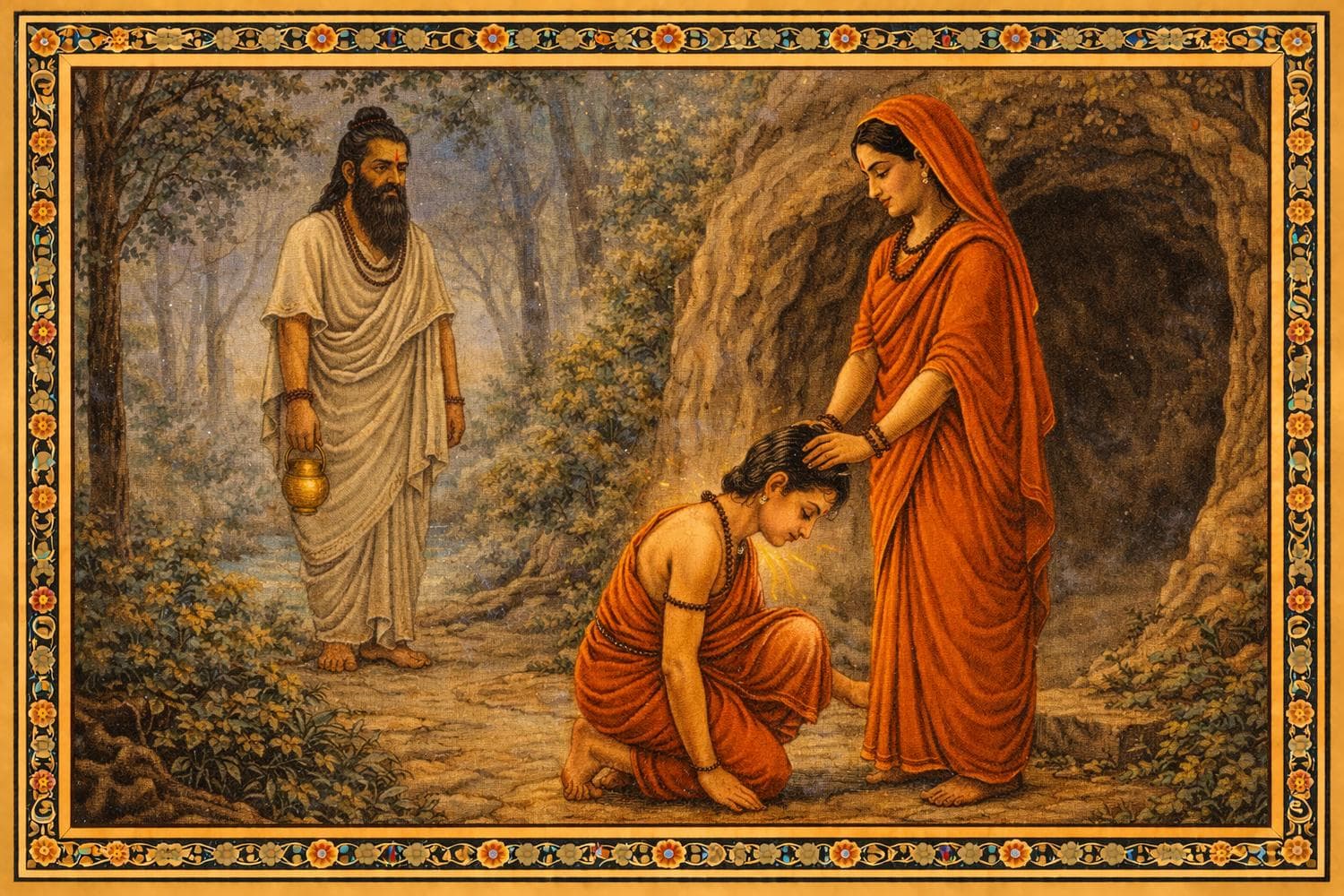
Now Vyasa, in his ascetic form, told his mother that she shouldn’t worry about him and that he would leave with his father to study under him. He then promised that if she is ever in a difficult situation, she should only think of him, and he shall appear by her side.
Vedvyas Temple: The Shrine That Preserves His Memory
According to locals, the cave where Satyavati gave birth to Sage Vyasa is inside a temple, located just 5 km away from Panposh city in Odisha. The cave and the temple are regarded as a significant site for pilgrimages like Bol Bom, a holy journey that begins in the early monsoon (July) and lasts all the way till August.
The Divine Presence of Lord Shiva
Although the name of this temple is dedicated to Veda Vyasa, he himself isn’t worshiped here. Instead, the main idol is Lord Shiva, also known as Mahabrahma, the God of Gods, and the one at the center of Hinduism. There are two reasons behind this:
Idol worship in Hinduism mostly happens after its earthly form has passed away. But Sage Vyasa is not dead yet. He is one of the Chiranjeevis, a group of eight individuals blessed with immortality that is supposed to last till the end of Kal Yuga, the fourth and the shortest of the Yugas (world ages), ending in the year 428,899 CE.
His father, Maharishi Parashara, dedicated a penance to Lord Shiva for a child with great merits and fame, resulting in the birth of Sage Vyasa. And since this place is marked as his birthplace, it only makes sense that Lord Shiva is the main idol, despite being the partial incarnation of God Vishnu.
Therefore, festivals that are devoted to Lord Shiva, like Kartik Purnima and Maha Shivratri, are celebrated here in great numbers.
Swarga Dwara and Cremation Service
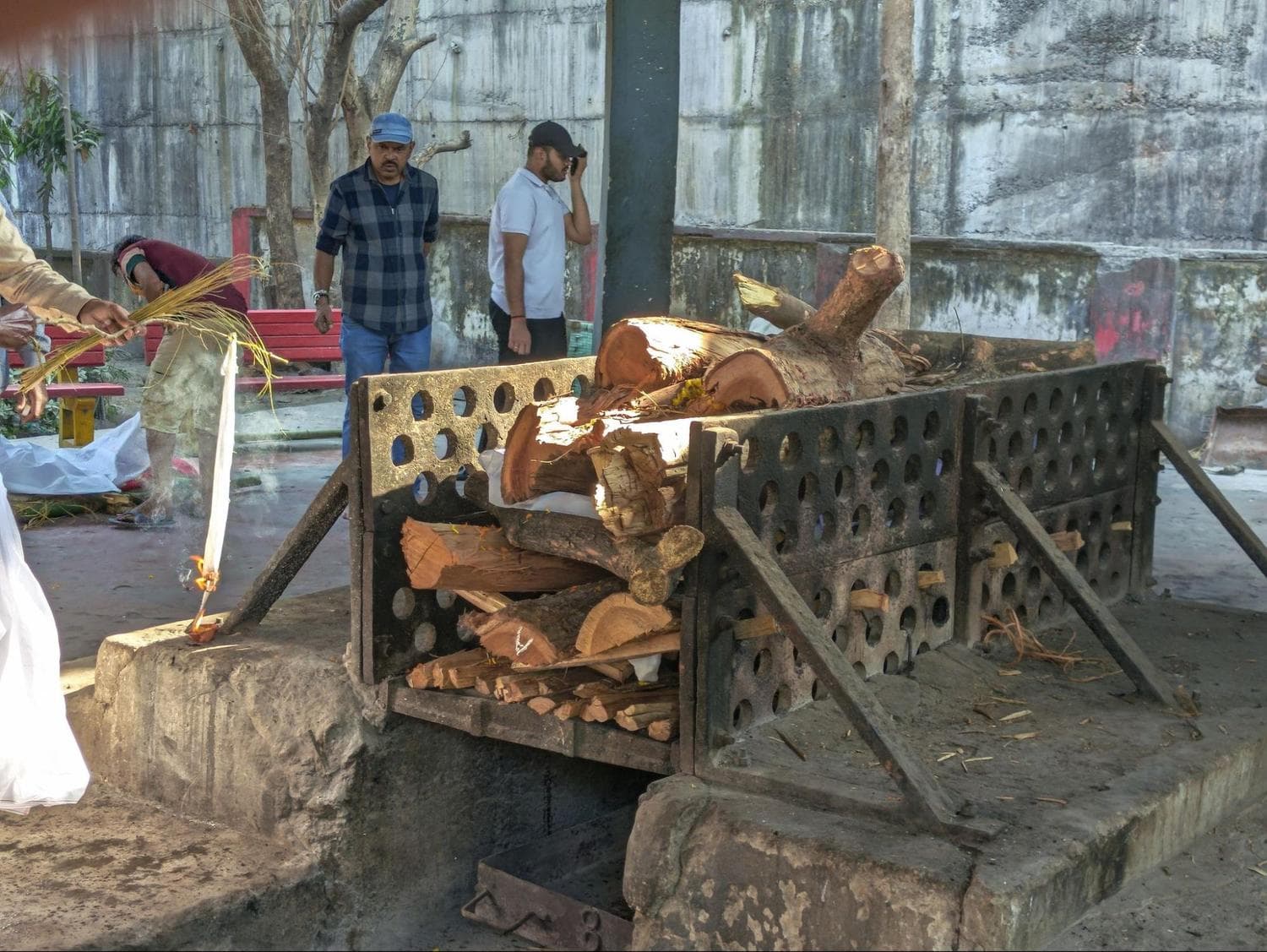
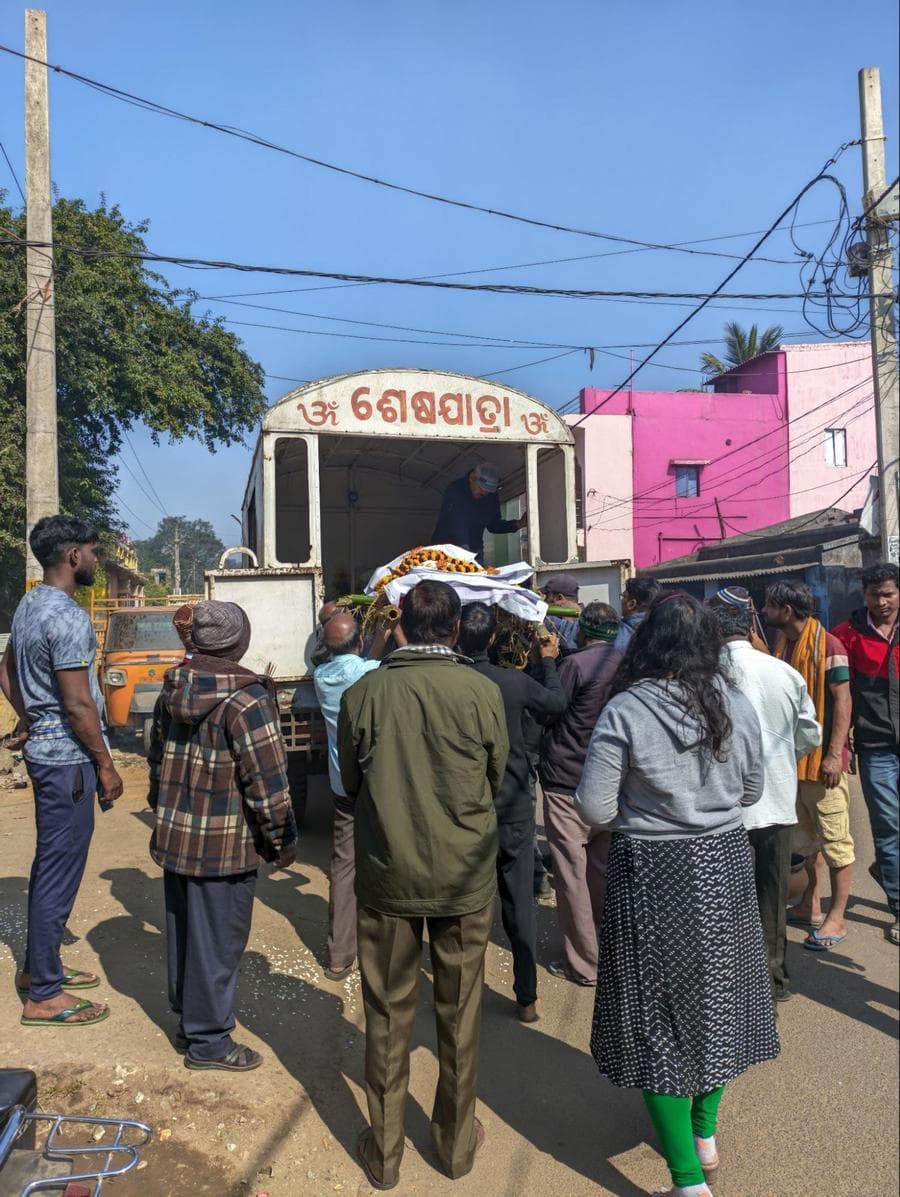
Swarga Dwara, or “gateway to heaven,” is the second biggest highlight of this temple. It is a service offered by the temple committee, where the deceased bodies of Hindu families are cremated. They also offer transportation service for Antim Yatra, the last journey where the deceased body is carried to Shmashana Ghat, or the cremation groundThere Pandits, a term used for Hindu priests, carry out a ritual called Antim Sankar, the 16th and last rite in Hinduism.
Previously, cremations were done at the banks of the Brahmani River, right beside the main temple. Which was a bit frightening for the first-time viewers. Adding salt to the injuries, sometimes the ritual turns into a patience game due to bad weather, a rise in water levels during the monsoon season, or some other unforeseen event, causing even more chaos.
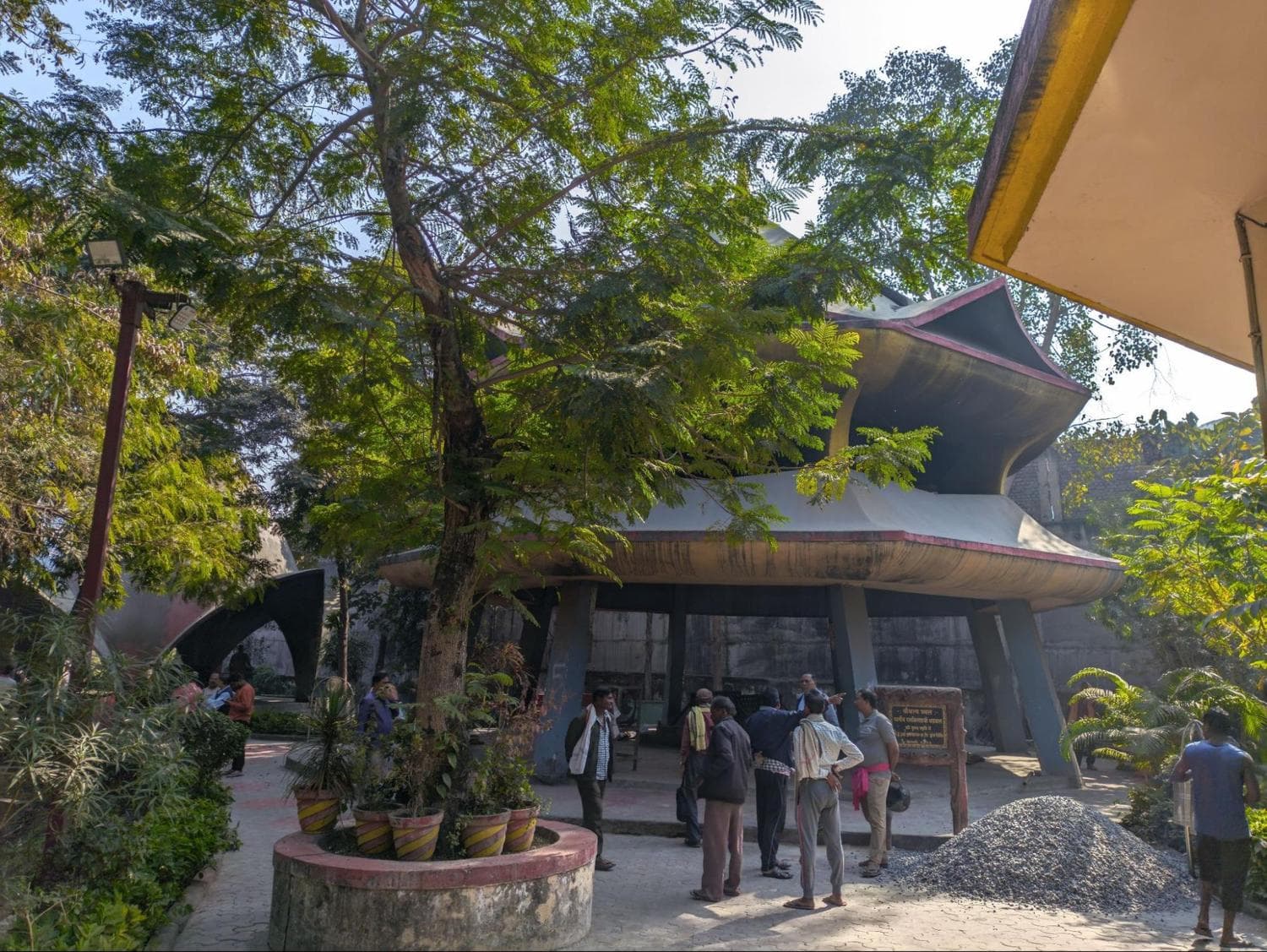
But eventually, proper facilities were made, and the riverside cremations officially came to a halt. Said facility is located inside the temple grounds with 5 dome-like structures. Each of them can perform 1–3 cremations simultaneously, giving visitors a firsthand experience of what the grand finale of life looks like in Hinduism.