
Awadh is a region located in the Northern Gangetic plains of India. Along with sharing a border with Nepal, it is also known for its fertile soil and vast agricultural lands. Culturally, Awadh is defined by its nafasat, nazakat, and tehzeeb.
Nafasat represents refinement, while nazakat embodies grace and fineness. Tehzeeb carries a profound blend of nafasat and nazakat to truly define a culture of politeness. Beyond just being sophisticated terms, these words embody the luminous and delicate heritage of Awadh.
Glimpse of Nafasat in History and Architecture
Historical Legacy
The legacy of piousness and refinement in the Awadhi culture can be traced back to the eighteenth century. The rulers of the time, Nawabs, had commissioned massive architectural projects like Bada Imambada and Rumi Darwaza, not to mark any political victory but to uplift the masses. They had supported diverse art forms by patronizing classical dance, Hindustani music, and poetry in Urdu and Awadhi languages. Even etiquette was formalised under their rule. While other rulers across India focused on expanding their political sovereignty, the Nawabs of Awadh emphasized establishing a cultural philosophy, guided by elegance and a refined outlook towards the commons and their needs.
Architectural Elegance
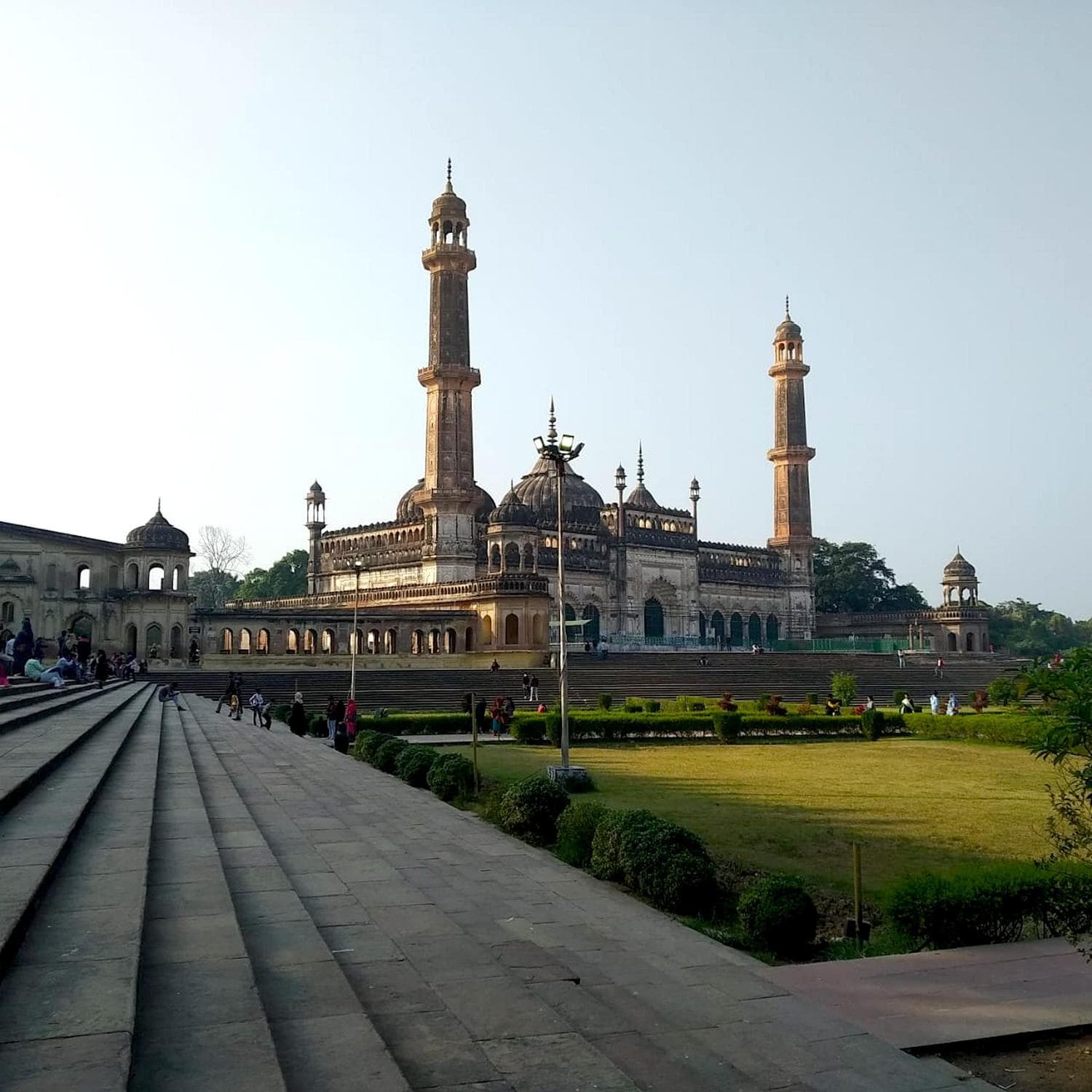
Bada Imambada
Nawab Asaf-ud-Daula commissioned it to address the famine of 1784 by providing dignified relief in the form of employment for the masses. It has a vast central hall, unsupported by pillars, and the Bhul-Bhulaiya (Maze/ Labyrinth) on the top floor, with 489 identical doorways.
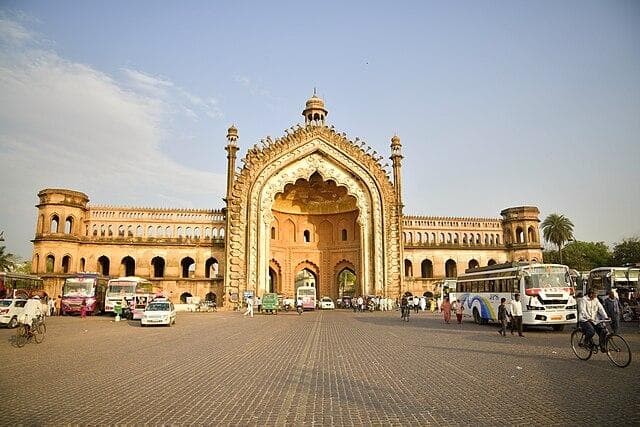
Rumi Darwaza (Turkish Gateway)
It is a massive half-octagonal central arch topped by an octagonal umbrella-like canopy. Fine, precise, and vivid carvings of flowers and vines add to its embellishment.
If you seek a subtle yet refined moment, surrounded by the architectural grandeur and rich history of Awadh, then a traditional horse-drawn Tonga ride through the old lanes of the city, past the stately arches of Rumi Gate and the timeless silhouette of Bada Imambada, would be the best way to experience the nafasat of a bygone era.
Glimpse of Nazakat in Art Forms and Food
Art Forms
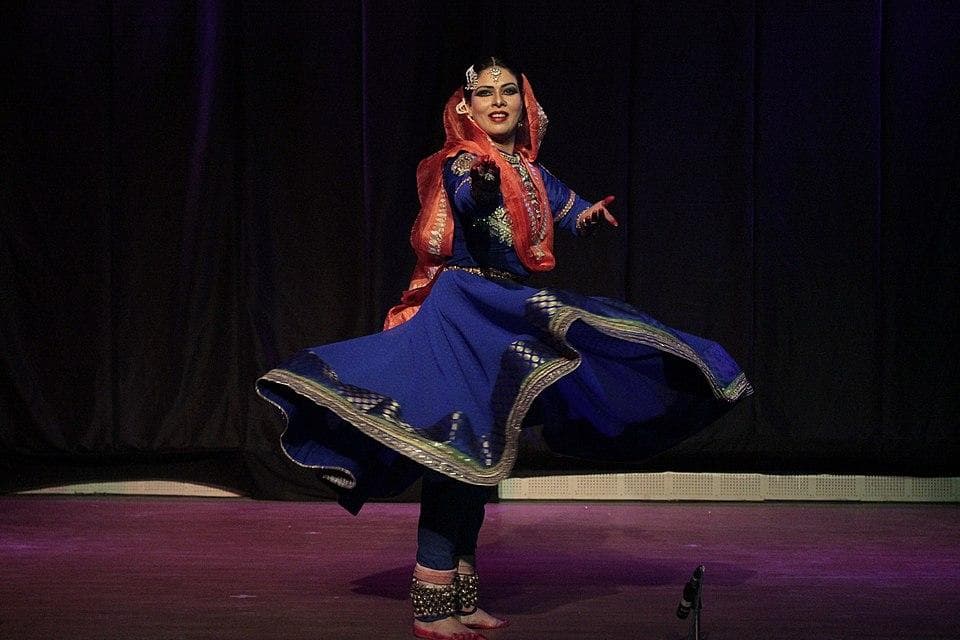
Classical Dance: Kathak
The word Kathak comes from the Sanskrit word ‘katha’, meaning story. Its original performers were called kathakars, who were storytellers who used to narrate stories from Hindu religious epics like the Ramayana and the Mahabharata. Hence, Kathak, as a dance form, represents a graceful storytelling tradition in which rhythm, expression, and movement merge to illustrate these beautiful poetic texts.
Hindustani Music: Thumri
Thumri is a semi-classical vocal form. It has devotional roots in the lore of Radha and Krishna (Hindu deities). Music is adorned with romantic and emotional lyrics, a slow and expressive tempo, and a feminine voice that expresses nazakat in its longing and tenderness.
Culinary Refinement
The Dum Pukht technique of Awadhi cuisine magnifies the elegance of subtlety over sharpness, favors layering over excess, and emphasizes aroma as much as flavor. Here, nazakat in balancing the flavors and aromas can be tasted through rich royal nawabi cuisine.
Kebabs
Kebabs please the palate in a rich and bold way by offering a melt-in-your-mouth texture, softness, and a balanced blend of spices.
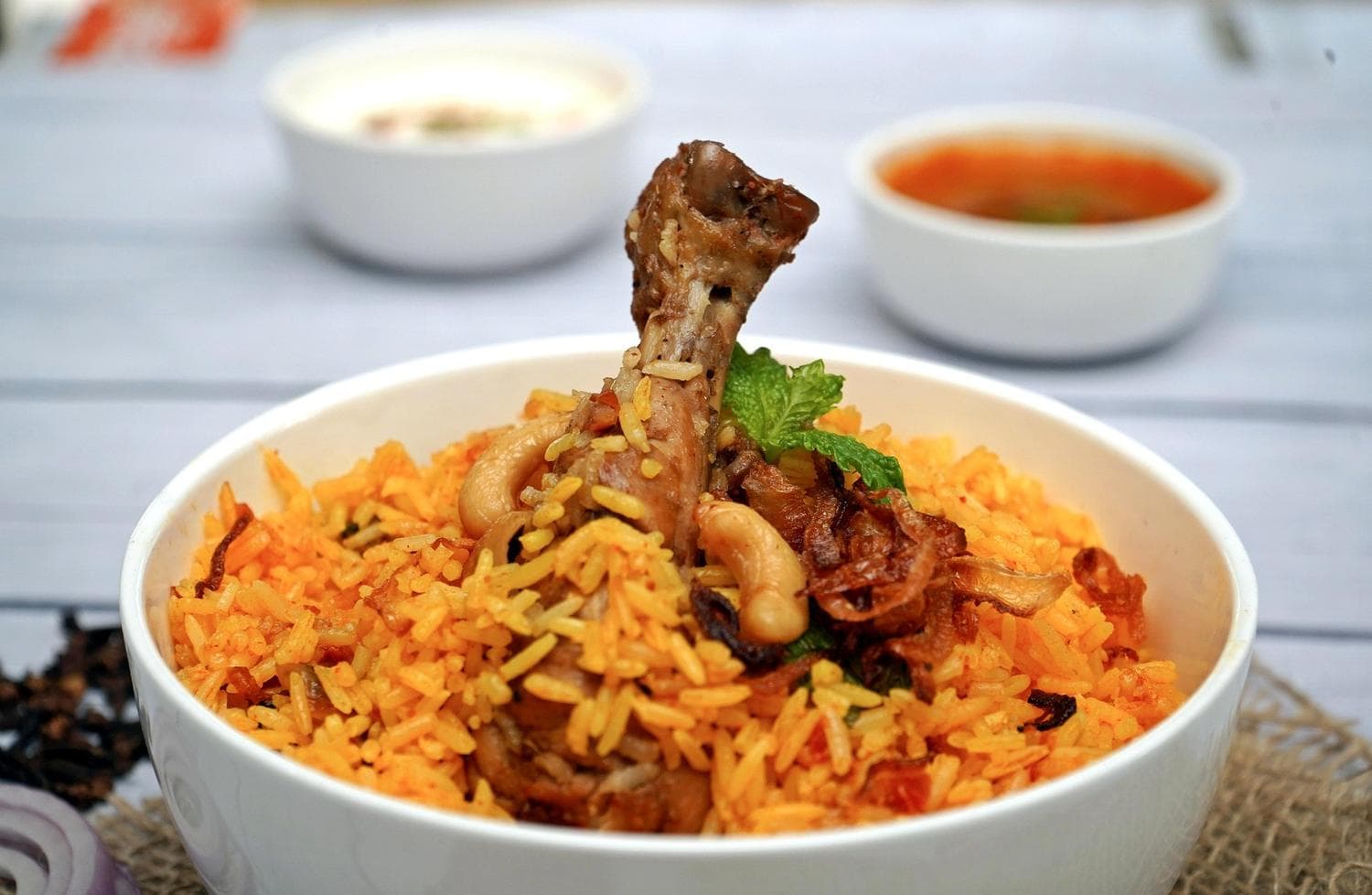
Biryani
It is a pot of lightly spiced, long strands of rice coated in golden hues with layers of tender pieces of marinated meat that are cooked separately. They are served together with a rich aroma of saffron and whole spices like cinnamon sticks, cloves, cumin seeds, cardamom pods, and star anise.
Glimpse of Tehzeeb in Language and Civilization
Linguistic Etiquettes
The court protocols during the period of Nawabs included greeting customs (adab with a slight bow), controlled speech modulation, and strict dining etiquette at the dastarkhwan. Today, every nook and cranny of the city echoes with majestic sayings like “Pehle Aap” (After You), “Muskuraiye Aap Lucknow Mein Hain” (Smile, You are in Lucknow—Awadh’s present name), and “Arey Janab” (Hey/ Oh Sir). The local ethos rises at the juncture of the Hindi and Urdu languages. Even with two different languages, the Awadhi tehzeeb allowed for pleasantries to be shared and learned first, garnering harmony that layers humility and acceptance.
The Ganga-Jamuni Civilization
It is described as the merging of the two sacred rivers, Ganga and Yamuna, symbolizing the cultural and religious syncretism between Hindus and Muslims. The soil of Awadh cultivates this fraternity and diversity when Festivals like Muharram and Holi are celebrated by both religions together, and when art and architecture blend Persian, Mughal, and local motifs without any conflict. It developed a foundation of cultural assimilation and religious coherence, very much defining the tehzeeb of Awadh.
From its delicate customs to the subtle artistry of its cuisine, every moment in Awadh is met with intention, leaving travelers enchanted and inspired.