

What does it feel like to live on a land that might not exist in 50 years? To farm the field that the rain could claim next monsoon? Even on the verge of extinction, the people of Manjuli choose not to surrender, but rather live, preserving all they can until there is none.
The Ferry Ride
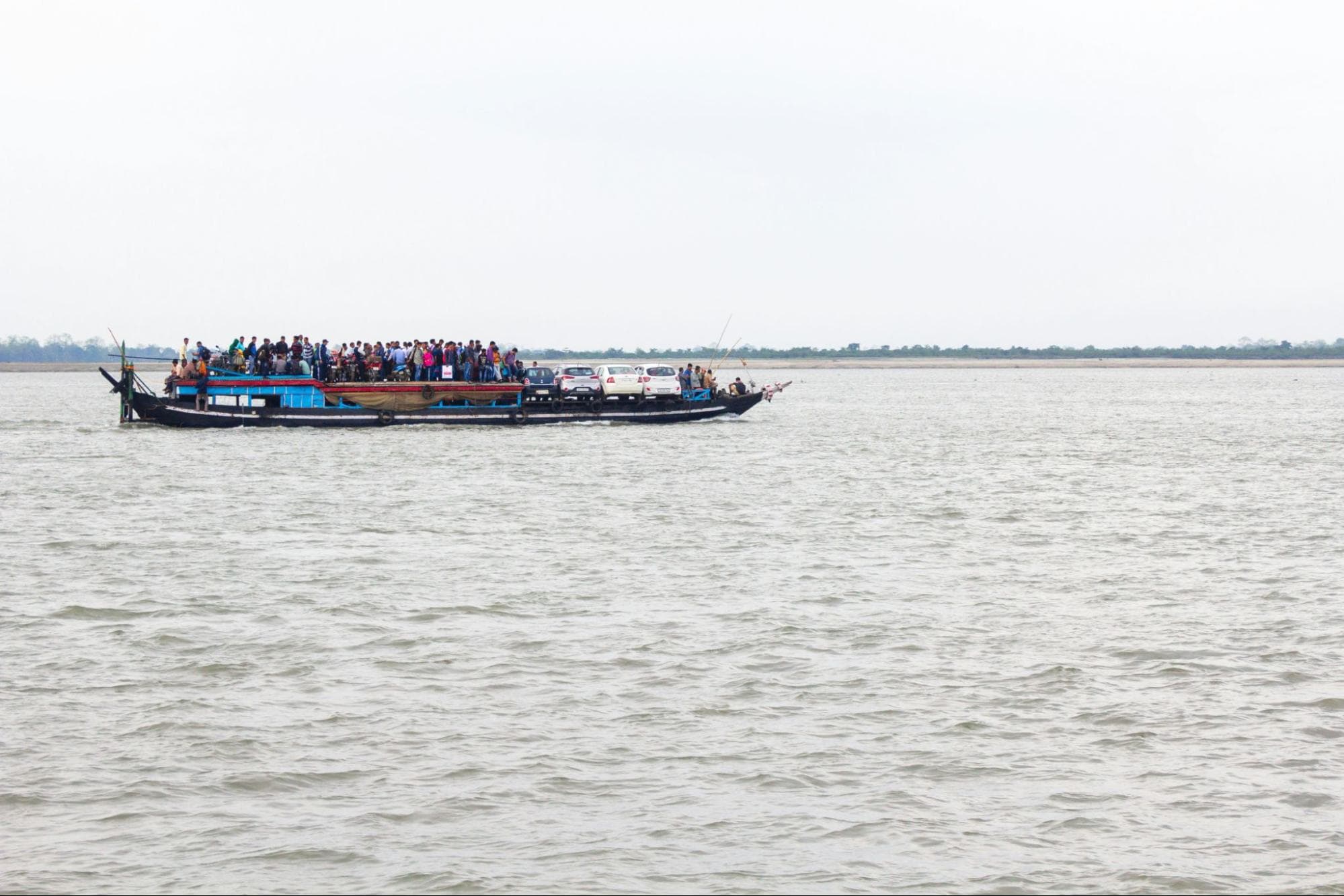
Your journey to reach Majuli starts with a train ride to Jorhat, then a ferry ride from Nimati Ghat. The journey through the Brahmaputra is mesmerizing, the cool air, the rhythmic sound of water moving—you can feel yourself relaxing. Worries from the mainland fade away. The moment you step off the dock, the island’s pace feels different, calm, and refreshing.
The Rhythm of Everyday Life
Life in Majuli moves slowly and unhurriedly, simple and surrounded by lush green fields. The island, which holds Asia’s first protected bird sanctuary called Charaichung Royal Bird Sanctuary, has rich biodiversity and is home to 150 birds, including both indigenous and migratory bird species[1].
Every morning is filled with their chirping, like nature's alarm, waking you up for a new day.
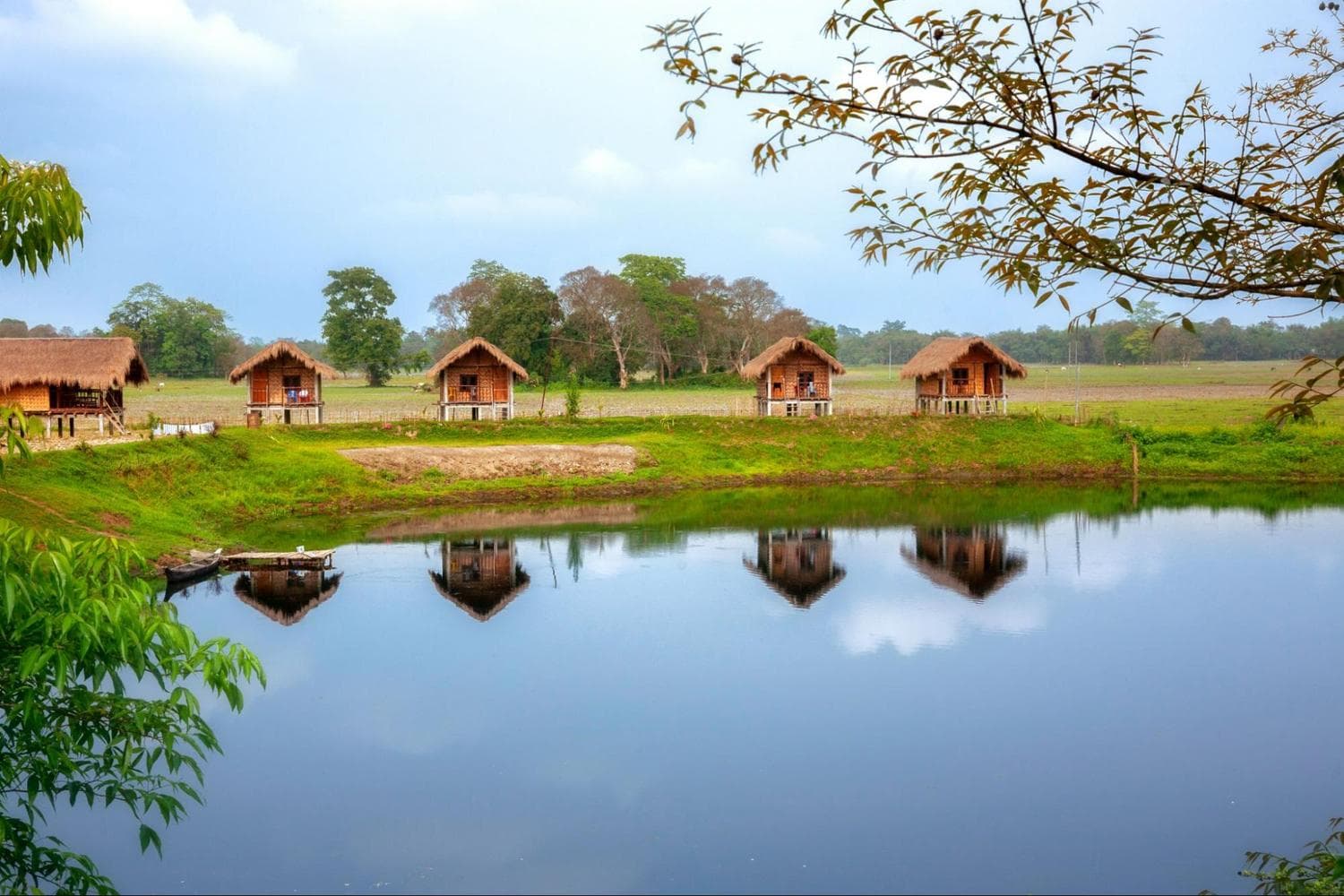
Houses in Majuli are built at least 5–6 feet above the ground to protect residents from seasonal floods. This elevated design is followed in both traditional and newly constructed cement houses. For transportation, locals rely on bicycles and canoes, instead of the modern transport used in cities. Visitors can rent bicycles and roam around; it's a fun way to explore the island.
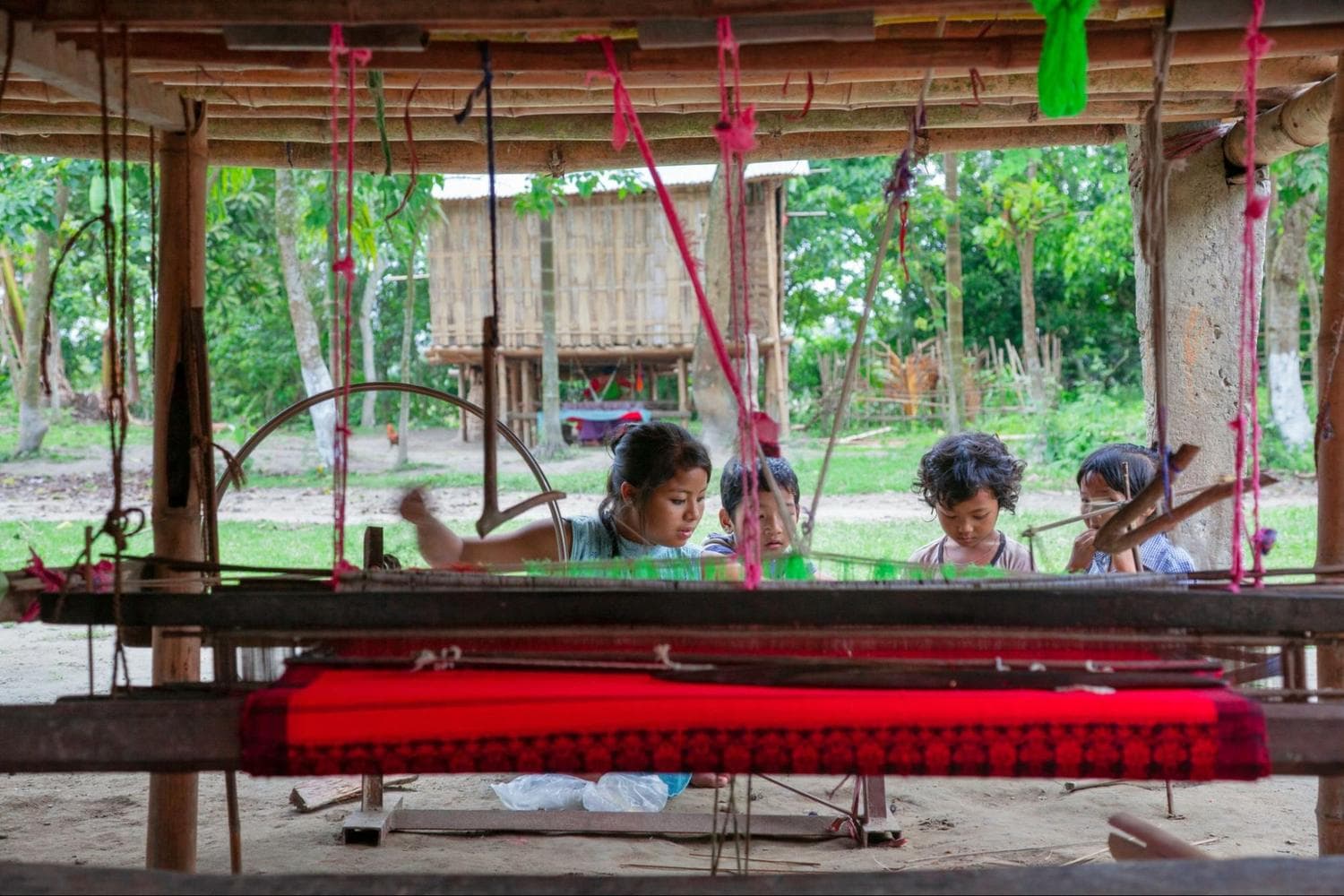
Residents of the island depend on farming rice, mustard, and fishing during the dry seasons. The Mising women weave traditional clothes; pottery and mask-making can provide additional income. Some locals who own larger plots of land build chang ghars (bamboo slit houses) and use them as homestays for visitors.
Living with Uncertainty
Every year, floods in the Brahmaputra swell across the island, eating away the land. Homes are relocated, land disappears, and villages gradually move deeper inland. For the people of Majuli, land erosion is a harsh and recurring reality.
Yet locals have long accepted the fact that the same river, which gives them fertile land, fish, and a livelihood, occasionally takes its share in return. This understanding has shaped their way of life, teaching them to stay rooted without clinging too tightly.
Culture that still thrives
In Manjuli, faith is not reserved for temples or prayer houses; it flows into everyday life. The island is a unique blend of Neo-Vaishnavism, shaped by tribal tradition and life alongside a powerful river. These elements are the rhythm of this island.
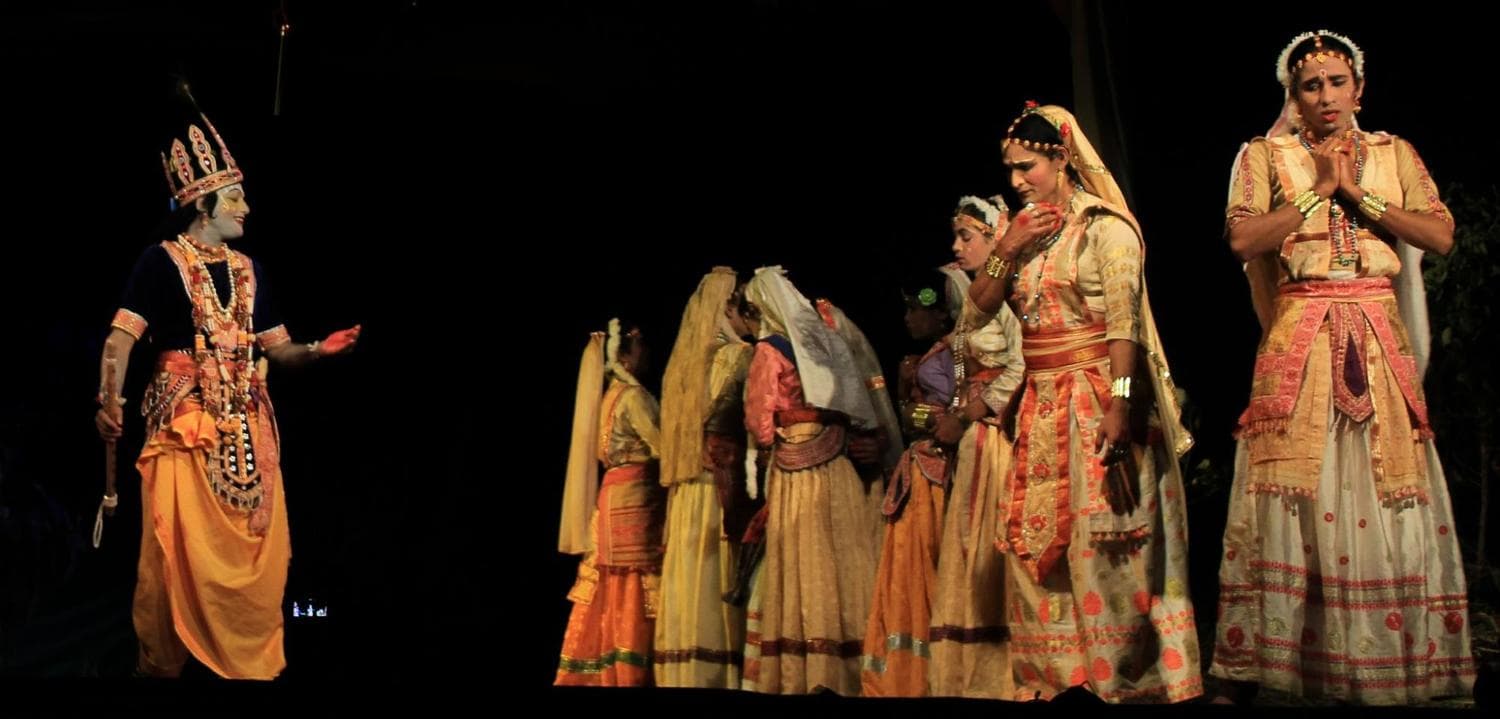
Majuli is home to over twenty satras, monastery-like institutions that promote Ekasarana Dharma (complete devotion to the almighty). These satras were established by Srimanta Sankardeva in the 16th century. His teachings encourage people to worship only one god, Lord Vishnu.
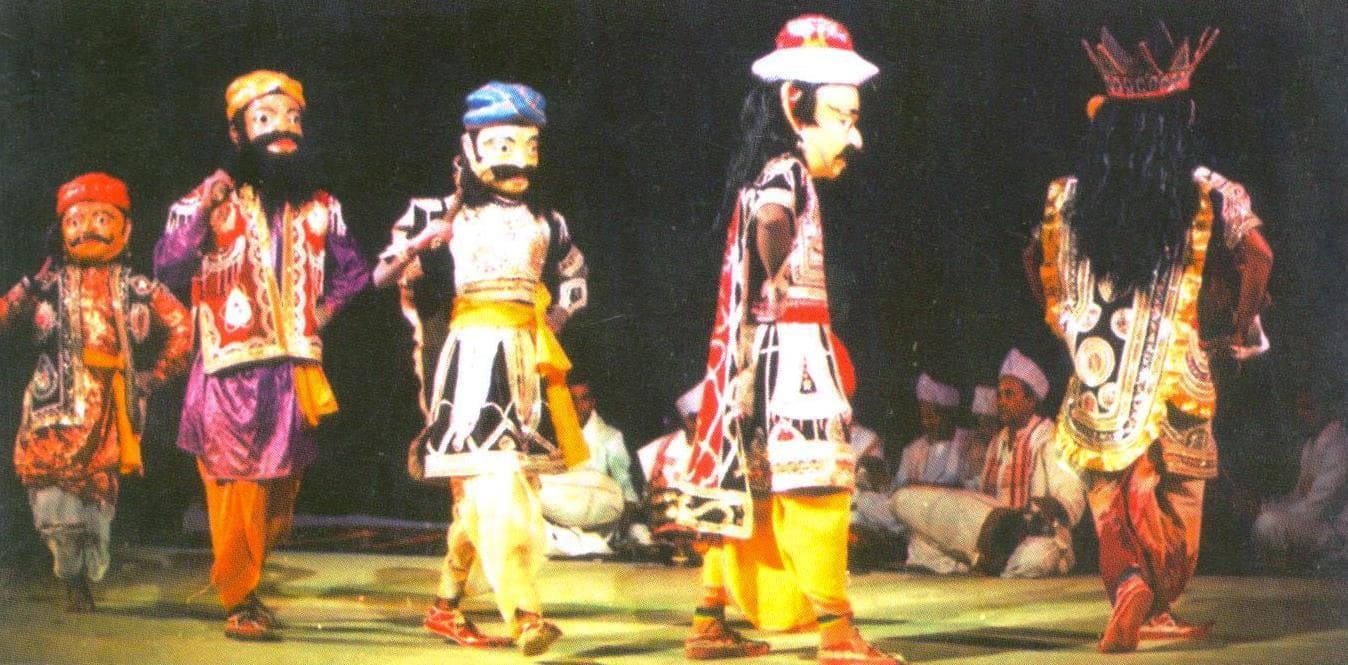
These satras are crucial in presenting and promoting various art forms such as Sattriya dance, Borgeet (songs), Sutradhar (storytelling), and Bhaona (religious theatrical performances), while sutradhar acts like a narrative and bhaona as a one-act play using mukha masks as props to depict characters from the Mahabharata and Ramayana.
The Mask Making Art
The mask-making tradition in Assam dates back to the 16th century. Mahapurush Srimanta Sankardev, a scholar, introduced Bhaona (theatrical performance) as a part of his Neo-Vaishnavite reform. He encouraged the people to use masks as props while performing mythological tales, depicting the characters' facial expressions.
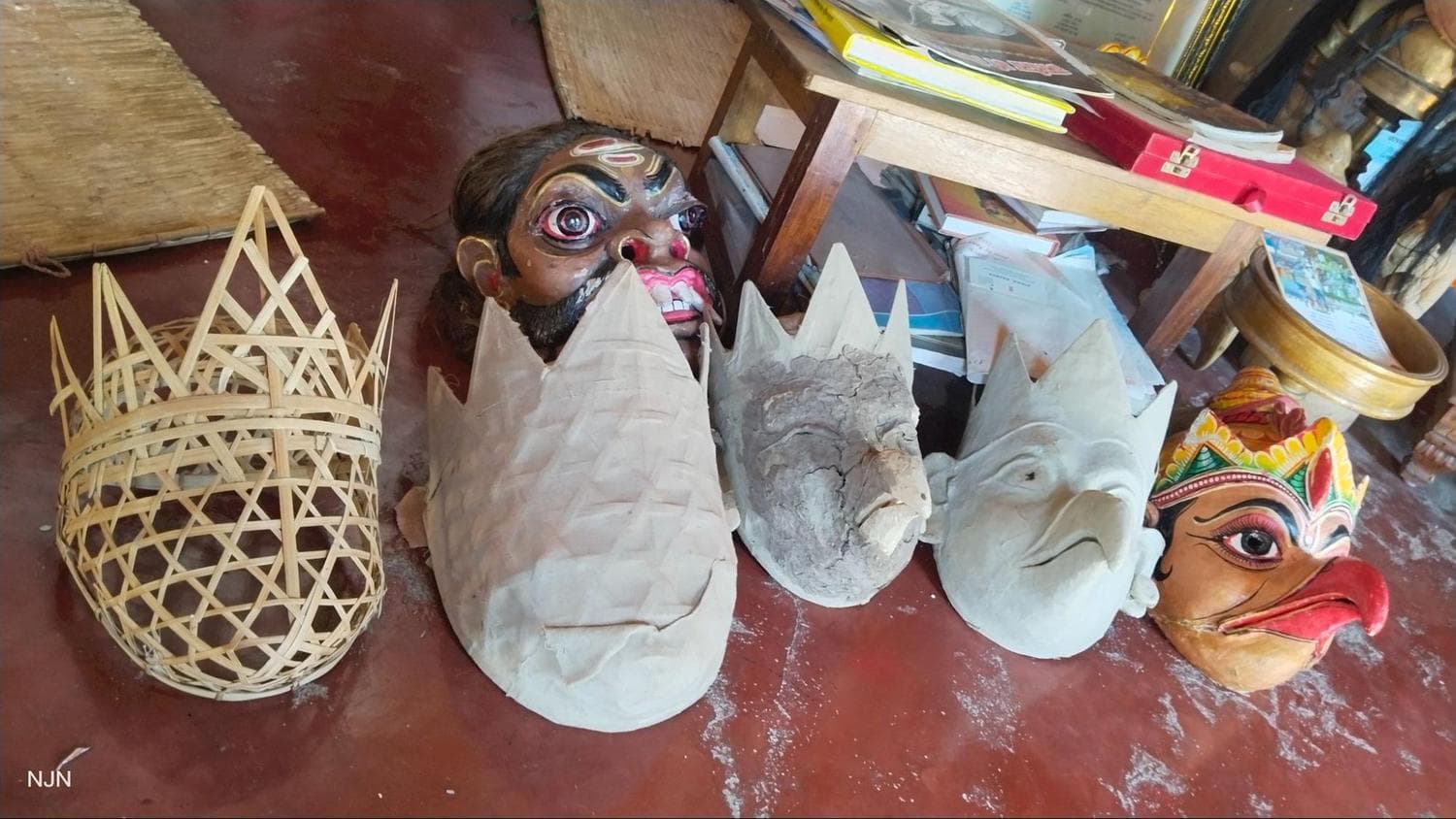
The process of crafting these masks takes five steps:
First, a three-dimensional bamboo base is made, then a thin layer of cotton cloth with clay is pasted over it. Once dried, a layer of clay and cow dung is applied. In this process, the mask's facial character takes shape.
After completing the shape, the mask is again covered with cloth, dipped in clay, so that it can be painted. Lastly, the mask is completed by skillful mask painters using organic colors from natural dyes and red and yellow stones.
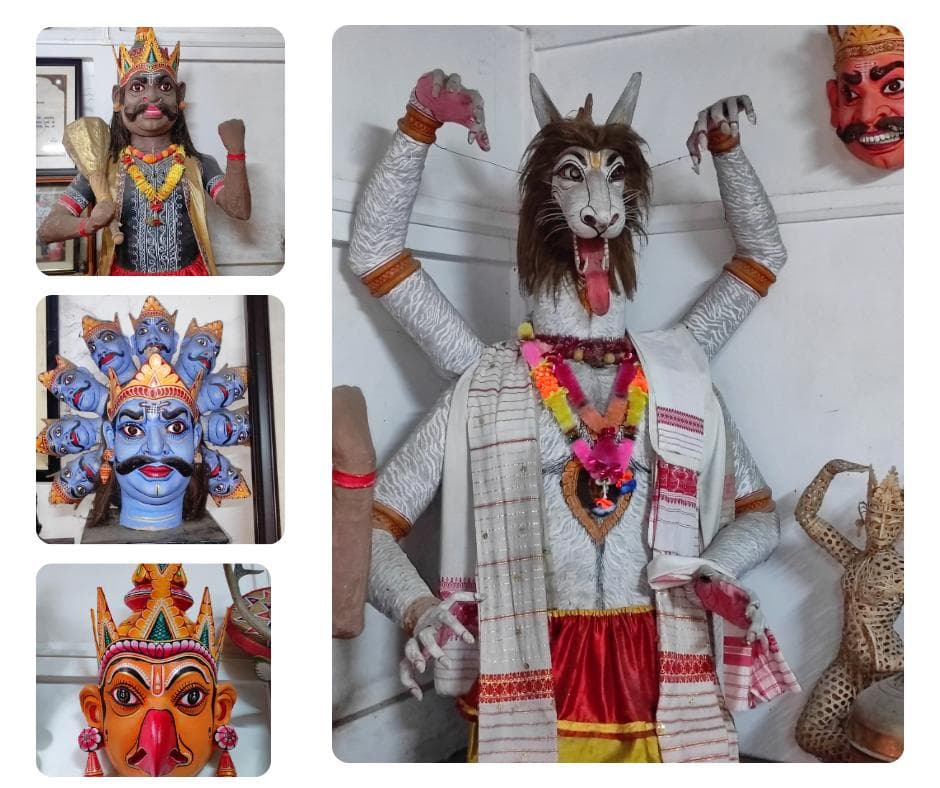
For hair, mustaches, or beards, jute fiber is used. Since these masks are made from biodegradable materials, they require careful preservation[2].
There are three types of masks used during the performance:
Mukha Bhaona, which only covers the face.
Lotokai, which extends to the chest
Cho Mukhi has a head-and-body mask.
What You Take With You
Manjuli may shrink year after year, but it refuses to be defeated. The island, with its art, faith, and gentle pace of life, reminds us that permanence was never the point; the presence is. Perhaps that is Manjuli’s quiet lesson to the world—to live in the moment, to create even when tomorrow feels uncertain, and to stay rooted without holding too tightly.
If you ever visit, then you might leave with a hand-made mask, a lot of photos, and memories of people and a culture that embraces uncertainty as a way of life.