

At Kamakhya temple, there is no idol. Instead, devotees worship a natural rock formation in the shape of a yoni, which is a symbol of the Goddess's womb. It may sound unusual at first but stay with me. There’s a deep story here, connected to Indian mythology, presenting feminine power and a tradition unlike any other in the world.
The Legend of Kamakhya
According to the Puranas, Sati, the daughter of King Daksha and the wife of Lord Shiva, once attended her father’s yagya (fire offering). But Daksha insulted Shiva in front of everyone. Unable to bear the humiliation of her husband, Sati chose to end her life in the sacrificial fire.
Devastated, Lord Shiva wandered around the universe with her lifeless body. To stop this, Lord Vishnu, with his Sudarshan Chakra, dismembered Sati’s body. The places where her body parts fell became Shakti Peethas—sacred sites of divine feminine energy. Kamakhya is believed to be the place where the yoni, the symbol of creation, fell.
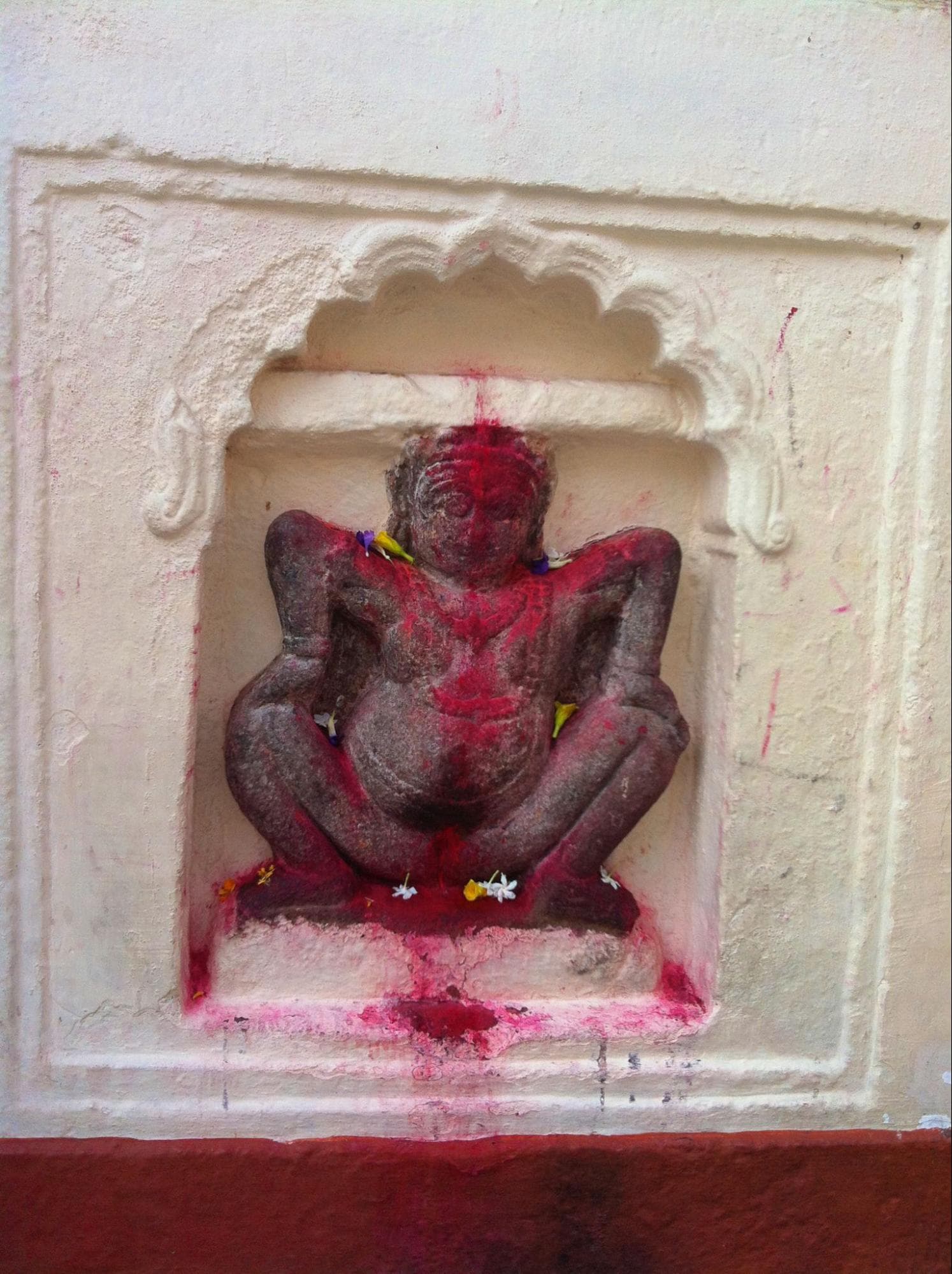
There was a total of 51 parts that fell from Sati and these 51 Shakti Peethas became famous sacred places across India.
Kamakhya and the Celebration of Womanhood
Kamakhya is not just any temple. It's one of the rarest temples that worships fertility, womanhood, and the Goddesses' menstruation. At Kamakhya temple, the natural cycle of women is seen as powerful, creative and divine, openly defying all norms.
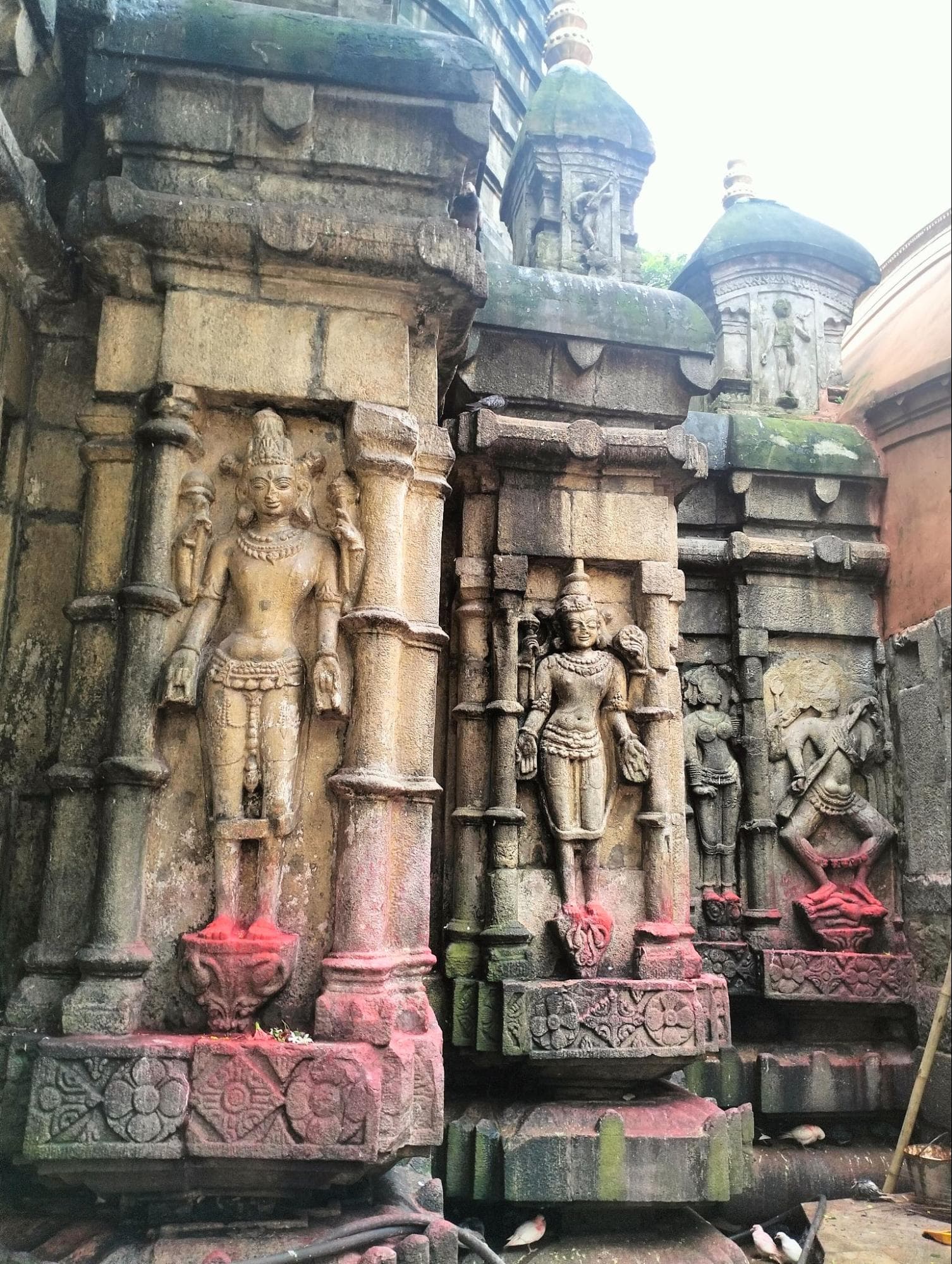
As you approach the temple, climbing the stone stairs, the whole place is vibrant, lined with shops throughout the way up, selling sindoor (traditional makeup), incense, flowers, and other offerings. Pilgrims, aghoris, tantric practitioners, and devotees fill the pathway. The temple exterior is carved in different forms of Shakti, each representing a different form of feminine power.
The temple is built inside a cave, and to reach Maa Kamakhya you'll have to go through a narrow passage that takes you towards the yoni stone. Further inside, you might need to squeeze your way through the crowd— hold hands with your partner so as to not get separated. Once inside the garbhagriha, there is a yoni-shaped rock and an underground water spring filling it. The devotees are to touch the water to get Maa Kamakhya’s blessings. People also collect the water on less crowded days.
Additionally, Kamakhya is also famous for its tantric practices, so you might also see sacrificial rituals during your visit to Kamakhya. Although these rituals are uncommon in India, they are still practised and believed in by some. Local folks also believe that it keeps them in good health.
Ambubachi Mela — When the Goddess Menstruates
In the Assamese month of Ahaar (mid June-July), the air turns cool, the sky darkens with heavy rain clouds, and the earth gets soaked with rain. That’s when the celebration called Ambubachi Mela takes place.
During this time of the year, the temple is closed. According to the legends, Devi Kamakhya is believed to go through her annual menstrual cycle. This period symbolizes fertility, agriculture, the arrival of the monsoon, and Mother Earth’s resting period.
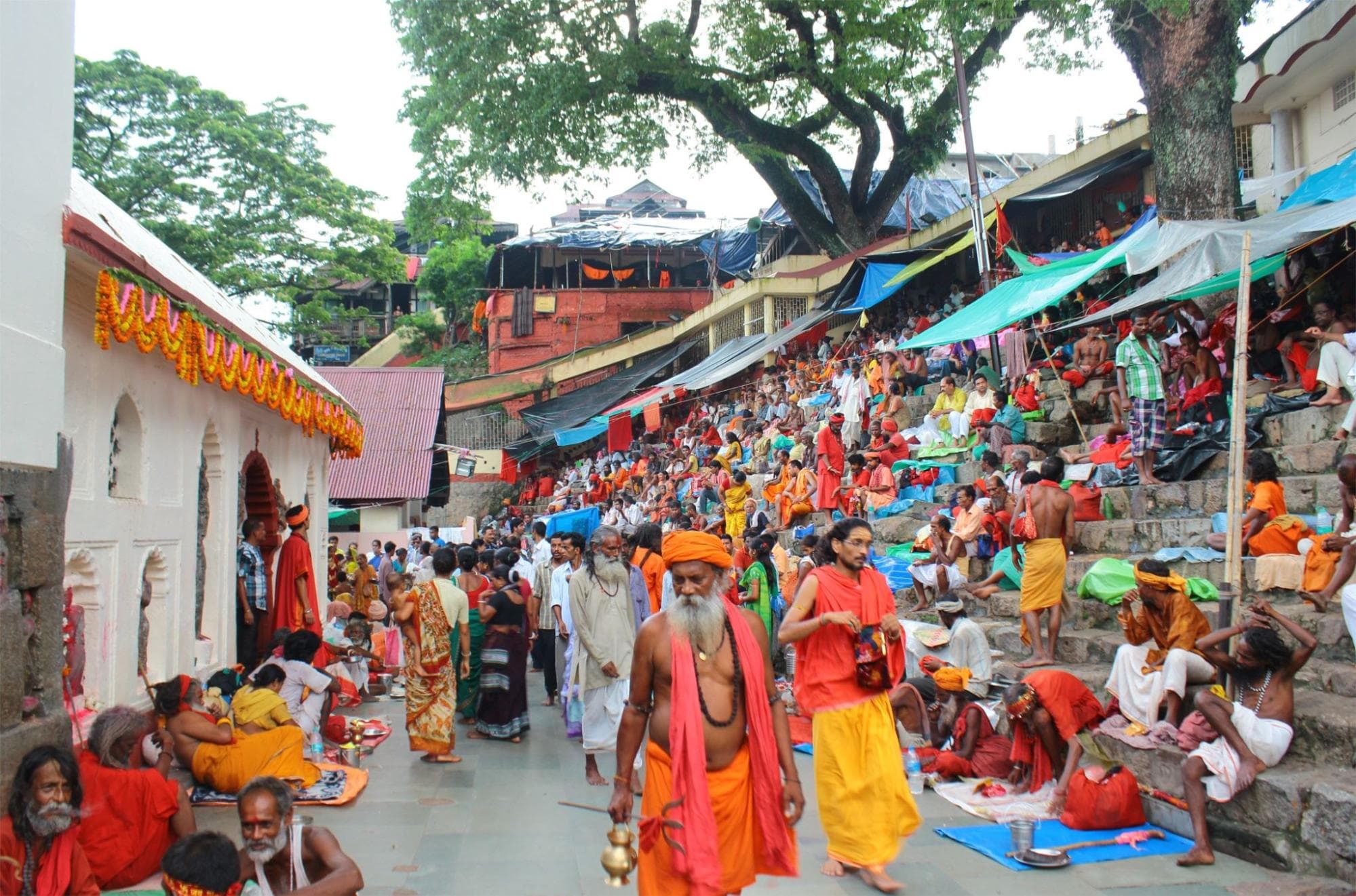
The festival is also closely entangled with tantric tradition. Therefore, tantric practitioners from across India such as Aghoris and sadhus specifically come to attend this festival.
During the festival, the temple remains closed for three days and opens up on the fourth. After which, the Goddess goes through the bathing and purification ceremony. Once this comes to a close, the doors reopen.
Devotees receive special prasad, such as a blessed piece of cloth or soil, which is believed to hold the power of fertility.
Visiting Kamakhya? Here’s what you need to know:
Location: Nilachal Hill, Guwahati, Assam
Best Time: October to April (Pleasant weather, fewer crowds)
Ambubachi Mela: Mid-June
What to know: Wear modest clothes, no photography is allowed, and a long queue (2-3 hours)
Whether you’re a pilgrim or a traveler, visiting Kamakhya will have you worshipping what society calls taboo.